
By Homeoremedyhub.com
1. Introduction
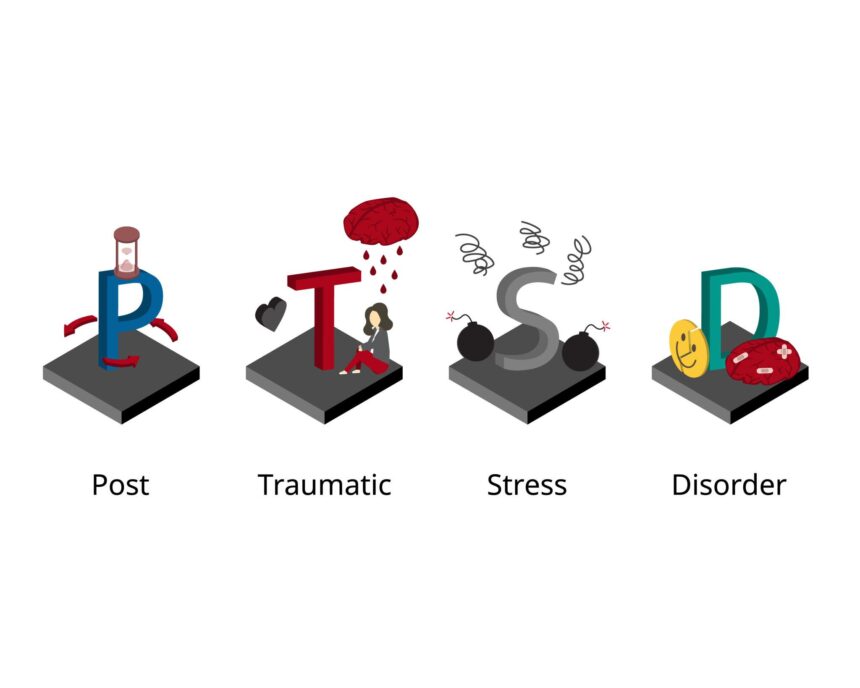
Post-Traumatic Stress Disorder (PTSD) is a mental health condition that can develop after experiencing or witnessing a terrifying event. These events could range from accidents, natural disasters, and combat experiences to personal assaults or the sudden loss of a loved one. While the event itself may end, the mind and body often continue to relive the trauma through flashbacks, anxiety, and emotional distress. Recognizing PTSD early and approaching it holistically can help in regaining emotional balance, resilience, and a sense of normalcy in life.
2. Some Examples of Post-Traumatic Stress Disorder (PTSD) — Detailed Explanation
Post-Traumatic Stress Disorder (PTSD) can develop after any experience that deeply shocks, frightens, or overwhelms a person’s emotional and psychological coping capacity. Trauma is not defined only by the event itself, but by how intensely the individual experiences and processes it. Below are some common real-life examples of situations that can lead to PTSD, along with how they typically affect the person mentally, emotionally, and physically.
2.1 Combat-Related PTSD
Soldiers, military personnel, and even civilians living in war zones may develop PTSD after exposure to violence, explosions, death, or constant threat to life.
Such individuals may experience:
- Recurrent and intrusive memories of combat scenes
- Flashbacks that feel as if the event is happening again in real time
- Nightmares involving battle, injury, or loss of comrades
- Hypervigilance — constantly scanning the environment for danger
- Emotional numbness or detachment from loved ones
- Sudden anger, irritability, or difficulty trusting others
The nervous system remains in a “survival mode,” even long after the danger has passed, making it difficult to relax, feel safe, or enjoy normal life.
2.2 Accidents (Road, Workplace, or Medical)
People involved in serious car crashes, industrial accidents, falls, or traumatic medical procedures may develop PTSD even when they survive physically unharmed.
They may experience:
- Sudden fear when hearing sounds similar to the accident (sirens, brakes, alarms)
- Avoidance of driving, traveling, or returning to the place of the incident
- Panic attacks, sweating, heart palpitations when reminded of the event
- Feelings of helplessness, loss of control, or vulnerability
- Guilt (especially if others were injured or killed)
These individuals often feel unsafe in situations that were once routine, like driving, going to work, or entering hospitals.
2.3 Natural Disasters
Survivors of floods, earthquakes, fires, cyclones, or tsunamis experience sudden and overwhelming threats to life, often accompanied by loss of home, possessions, or loved ones.
Common effects include:
- Persistent fear that another disaster will occur
- Heightened anxiety during rain, storms, or ground vibrations
- Sleep disturbances and recurring nightmares of the disaster
- Startle reactions to loud noises or environmental changes
- Grief, sadness, and hopelessness due to loss and displacement
The unpredictability and uncontrollable nature of disasters often leave survivors feeling powerless and unsafe in the world.
2.4 Physical or Emotional Assault
Victims of domestic violence, sexual assault, emotional abuse, bullying, or childhood trauma often develop PTSD due to repeated or deeply violating experiences.
They may suffer from:
- Shame, guilt, or self-blame
- Fear of people, touch, or intimate relationships
- Emotional numbness or difficulty trusting others
- Hyper alertness — constantly watching for danger or rejection
- Depression, low self-esteem, or feelings of worthlessness
- Dissociation (feeling detached from reality or one’s own body)
This type of trauma deeply affects a person’s sense of safety, identity, and ability to form healthy emotional bonds.
2.5 Sudden Loss of Loved Ones
Unexpected death of a partner, child, parent, or close friend — especially through accidents, suicide, or violence — can be deeply traumatic.
Individuals may experience:
- Persistent grief that does not ease with time
- Flashbacks of the moment they heard the news or saw the person last
- Fear of losing others or intense separation anxiety
- Emotional numbness or inability to feel joy
- Withdrawal from social interactions
- Difficulty accepting the reality of the loss
The trauma is not only the loss itself, but the shock, helplessness, and emotional rupture that comes with sudden separation.
3. What is Post-Traumatic Stress Disorder (PTSD)
PTSD is a psychiatric disorder that occurs in people who have experienced or witnessed traumatic events. It is characterized by intense emotional and physical reactions, such as reliving the trauma through intrusive memories, avoiding reminders of the event, negative changes in thinking or mood, and heightened arousal or reactivity.
Unlike ordinary stress responses, PTSD symptoms persist for more than a month and interfere with daily life, relationships, and work. The condition is complex, often involving a combination of psychological, biological, and environmental factors that influence its onset and severity.
4. Common Symptoms
PTSD manifests in diverse ways, and symptoms can vary among individuals:
- Intrusive thoughts, flashbacks, or nightmares of the trauma
- Emotional numbness, detachment, or difficulty experiencing positive emotions
- Heightened startle response, irritability, or aggressive behaviour
- Avoidance of reminders, people, or places associated with trauma
- Difficulty concentrating, sleeping, or maintaining normal routines
- Persistent anxiety, depression, or guilt
5. How It Affects Daily Life
PTSD impacts daily functioning and overall quality of life. Individuals may:
- Avoid social situations, leading to isolation
- Struggle with work performance or absenteeism
- Experience strained relationships due to emotional instability
- Develop additional health issues, such as high blood pressure, digestive problems, or chronic fatigue
- Turn to maladaptive coping mechanisms, including substance use
The disruption caused by PTSD highlights the importance of early intervention and a holistic approach to healing.
6. Why Does Post-Traumatic Stress Disorder (PTSD) Develop?
PTSD develops due to a combination of traumatic experiences and the way the brain processes fear, memory, and stress. Some key reasons include:
6.1 Overwhelming Stress Response
Trauma triggers the body’s fight-or-flight system. When this response becomes chronic, the brain remains in a heightened state of alert.
6.2 Memory Processing Difficulties
Traumatic memories may not be fully processed, causing them to resurface involuntarily as flashbacks or nightmares.
6.3 Emotional Vulnerability
Individuals with prior anxiety, depression, or a history of childhood trauma are more susceptible.
6.4 Biological Factors
- Imbalances in stress hormones (like cortisol) and changes in brain areas such as the amygdala and hippocampus can increase PTSD risk.
In essence, PTSD is a complex interplay between event severity, personal resilience, and neurobiological responses.
7. Psychological Factors
Psychological factors contributing to PTSD include:
- Pre-existing anxiety or depression
- Low self-esteem or poor coping strategies
- Negative thinking patterns
- Emotional suppression or avoidance tendencies
8. Environmental Factors
Environmental contributors include:
- Exposure to repeated trauma or ongoing stress
- Lack of social support or community resources
- Dysfunctional family dynamics or unstable home environments
- Workplace hazards or unsafe living conditions
9. The Combined Effect
PTSD often arises from an interaction of psychological vulnerability, environmental stressors, and the trauma itself. No single factor is sufficient; it is the cumulative effect that determines the severity of symptoms and duration of recovery.
10. Natural & Holistic Approach to Healing
Healing from PTSD involves more than just symptom management. A holistic approach incorporates:
- Mind-body practices (yoga, meditation, deep breathing)
- Lifestyle adjustments (sleep hygiene, balanced diet, regular exercise)
- Emotional support (counselling, peer support groups)
- Natural remedies such as homeopathy to restore mental and emotional balance
11. Homeopathic Remedies for Post-Traumatic Stress Disorder (PTSD)
Homeopathy offers gentle, natural remedies to help the mind and body regain equilibrium. Remedies are selected based on specific emotional symptoms, physical manifestations, and individual constitution. Commonly used homeopathic remedies for PTSD include:
11.1 Aconitum napellus
Sudden shock, fear of death, restlessness
11.2 Arsenicum album
Anxiety, perfectionism, digestive upset
11.3 Gelsemium sempervirens
Weakness, trembling, anticipatory anxiety
11.4 Ignatia amara
Grief, emotional suppression, mood swings
11.5 Pulsatilla
Emotional dependency, fear when alone, crying spells
11.6 Natrum muriaticum
Repressed grief, withdrawal, nightmares
11.7 Calcarea carbonica
Slow response, cautiousness, fear of illness or disaster
These remedies address both psychological and physical symptoms, supporting long-term recovery.
12. Age-Wise Medicines Chart
| Medicine | Children (6–12) | Teenagers (13–19) | Adults (20–50) | Seniors (50+) |
| Aconitum napellus | ✖ | ✔ | ✔ | ✖ |
| Arsenicum album | ✖ | ✔ | ✔ | ✔ |
| Gelsemium sempervirens | ✖ | ✔ | ✔ | ✔ |
| Ignatia amara | ✔ | ✔ | ✔ | ✖ |
| Pulsatilla | ✔ | ✔ | ✖ | ✖ |
| Natrum muriaticum | ✖ | ✔ | ✔ | ✔ |
| Calcarea carbonica | ✖ | ✖ | ✔ | ✔ |
12.1 How to Interpret This Chart
✔ = commonly suitable for this age group
✖ = generally not preferred unless specifically indicated
12.2 Why This Age-Wise Pattern Exists
- Children respond best to gentle, emotionally expressive remedies like Pulsatilla and Ignatia.
- Teenagers often experience emotional intensity, social stress, and identity struggles — making Ignatia, Natrum mur, and Gelsemium more relevant.
- Adults face performance pressure, responsibilities, and long-term stress — matching Arsenicum, Natrum mur, Aconite, and Calcarea.
- Seniors tend to have slower metabolism, health anxiety, and physical vulnerability — suiting Calcarea, Arsenicum, and Gelsemium.
12.3 Quick Legend for Website Use
✔ Recommended / commonly suitable
✖Usually not first choice for this age
13. Detailed Description of Medicines
13.1 Aconitum napellus
Key theme: Sudden shock and intense fear
Emotional effects:
Aconitum is useful when PTSD begins immediately after a shocking or terrifying event, such as an accident, assault, or sudden fright. The person experiences intense anxiety, panic, and a strong fear of death. They may feel restless, agitated, and unable to calm down.
Mental state:
- Sudden panic attacks
- Feeling of impending death or catastrophe
- Hyper-alertness and inability to relax
- Great fear and anxiety of mind
Physical effects:
- Rapid heartbeat
- Hot flashes or chills
- Sleeplessness due to fear
PTSD relevance:
Aconitum helps calm the acute shock response and stabilizes the nervous system when trauma is recent and intense.
13.2 Arsenicum album
Key theme: Anxiety with control and perfectionism
Emotional effects:
This remedy suits individuals who develop PTSD with persistent anxiety, worry about health or safety, and a need for control. They often feel restless, fearful, and insecure.
Mental state:
- Constant worrying
- Fear of illness, death, or being alone
- Perfectionist tendencies
Physical effects:
- Digestive upset (burning stomach pain, diarrhoea)
- Fatigue and weakness
- Cold sensitivity
PTSD relevance:
Arsenicum helps when trauma leads to chronic anxiety, obsessive fear, and physical stress reactions.
13.3 Gelsemium sempervirens
Key theme: Weakness and anticipatory anxiety
Emotional effects:
Gelsemium is ideal for people who feel overwhelmed, mentally frozen, or weak when thinking about stressful situations or reminders of trauma.
Mental state:
- Fear before events
- Feeling mentally dull or confused
- Desire to avoid situations
Physical effects:
- Trembling
- Heavy eyelids, fatigue
- Dizziness
PTSD relevance:
Gelsemium helps restore confidence and calmness when trauma creates fear of future stress or performance.
13.4 Ignatia amara
Key theme: Suppressed grief and emotional sensitivity
Emotional effects:
Ignatia is especially helpful for PTSD linked to loss, heartbreak, or emotional shock. The person may appear composed but suffers deeply inside.
Mental state:
- Mood swings
- Crying easily but not wanting consolation
- Emotional suppression
- Persons mentally and physically exhausted by long-concentrated grief
Physical effects:
- Throat tightness (lump in throat)
- Sighing, chest tightness
- Insomnia from thoughts
PTSD relevance:
Ignatia supports emotional release and healing of unresolved grief.
13.5. Pulsatilla
Key theme: Emotional dependence and fear of being alone
Emotional effects:
This remedy is suited for gentle, sensitive individuals who become clingy, tearful, and insecure after trauma.
Mental state:
- Needs reassurance
- Fear of abandonment
- Easily moved to tears
- Mild, gentle and weeping tendency
Physical effects:
- Changeable symptoms
- Better in fresh air
- Digestive sensitivity
PTSD relevance:
Pulsatilla comforts the emotionally fragile and restores emotional security.
13.6. Natrum muriaticum
Key theme: Silent suffering and emotional withdrawal
Emotional effects:
This remedy suits individuals who withdraw emotionally, suppress grief, and avoid expressing pain.
Mental state:
- Avoids talking about trauma
- Feels misunderstood
- Dwells on past hurt
- Wants to be alone to cry, Tears with laughter.
Physical effects:
- Headaches
- Sleep disturbance with dreams
- Low energy
PTSD relevance:
Natrum mur helps gently release deeply held grief and emotional isolation.
13.7. Calcarea carbonica
Key theme: Insecurity, fear, and need for stability
Emotional effects:
Calcarea is helpful for people who become fearful, cautious, and overwhelmed by responsibilities after trauma.
Mental state:
- Fear of illness or disaster
- Desire for routine
- Slowness in thinking or acting
Physical effects:
- Tendency to gain weight
- Fatigue
- Cold, clammy hands and feet
PTSD relevance:
Calcarea supports individuals who lose confidence and stability after trauma.
14. Age-Wise Safety Tips
14.1 Children
Encourage play therapy, maintain routines, avoid exposure to violent media.
14.2 Teenagers
Promote peer support, mindfulness, and open communication.
14.3 Adults
Practice stress management, journaling, and seek counseling if needed.
14.4 Seniors
Gentle exercise, social engagement, and consistent medication supervision.
15. General Tips for All Ages
- Maintain a balanced diet and sleep schedule
- Practice daily relaxation techniques (yoga, meditation)
- Avoid alcohol, tobacco, and other substances
16. How Homeopathic Remedies Work for PTSD — In Depth Explanation
Homeopathic remedies work by supporting the body’s innate self-healing intelligence, especially the nervous and emotional systems that become overstimulated after trauma. PTSD is not only a mental condition — it is a whole-body stress disorder involving the brain, hormones, immune system, and emotional regulation. Homeopathy aims to restore balance at this deeper level rather than simply masking surface symptoms.
16.1. Addressing the Root Cause, Not Just Symptoms
Conventional approaches often focus on suppressing symptoms such as anxiety, insomnia, or panic. While this can provide temporary relief, it may not resolve the underlying emotional imprint of trauma.
Homeopathy works differently. It seeks to:
- Help the brain and nervous system reprocess traumatic memories safely
- Reduce the chronic “fight or flight” response
- Restore the sense of safety and emotional stability
- Support emotional release without forcing it
This allows healing to occur gradually and naturally.
16.2. “Like Cures Like” — The Core Healing Principle
Homeopathy is based on the principle that a substance capable of producing certain symptoms in a healthy person can, in highly diluted form, help heal similar symptoms in someone who is ill.
For example:
- A remedy that can cause restlessness and fear in large doses may help relieve anxiety and panic in PTSD.
- A remedy associated with grief-like emotional states may help release suppressed sorrow.
This principle gently stimulates the body’s regulatory systems to correct themselves, rather than overriding them.
16.3. Regulation of the Nervous System
PTSD keeps the nervous system locked in survival mode — constantly alert, tense, and reactive. Homeopathic remedies help by:
- Calming excessive sympathetic nervous activity (fight/flight)
- Supporting parasympathetic activation (rest/digest/heal)
- Reducing hypervigilance, startle response, and restlessness
- Improving emotional stability and resilience
As the nervous system relaxes, the mind feels safer, sleep improves, and emotional reactions become more balanced.
16.4. Emotional Processing and Release
Trauma often becomes “frozen” in the emotional memory. Homeopathy helps gently bring these suppressed emotions into awareness where they can be processed and released without overwhelming the person.
This may appear as:
- Easier emotional expression
- Reduced emotional numbness
- Decreased intensity of flashbacks and intrusive thoughts
- Less emotional reactivity
The person gradually regains emotional flexibility and control.
16.5. Individualized Healing — No Two PTSD Cases Are the Same
Homeopathy treats the person, not the diagnosis. Two people with PTSD may receive completely different remedies depending on:
- Their emotional response to trauma (fear, grief, anger, numbness, guilt)
- Physical reactions (sleep issues, digestion, fatigue, palpitations)
- Personality traits (introverted, sensitive, anxious, controlling, withdrawn)
- Past emotional history and coping style
This personalized approach increases effectiveness and reduces the risk of inappropriate treatment.
16.6. Gentle, Non-Sedating, and Non-Addictive
Homeopathic remedies are:
- Non-sedating
- Non-habit forming
- Safe for long-term use under guidance
- Compatible with other therapies (counselling, meditation, yoga, conventional care)
They do not dull emotions or suppress awareness, but instead support clarity, calmness, and inner strength.
16.7. Supports Overall Mind-Body Healing
Because PTSD affects multiple systems, homeopathy supports:
- Sleep regulation
- Digestive function
- Immune balance
- Hormonal stress response
- Emotional well-being
This whole-person support helps patients feel stronger, calmer, and more capable of handling life again.
17. Combination Approach for Best Results
Optimal recovery from PTSD is achieved through a combination of homeopathic remedies, counseling, lifestyle changes, and mind-body therapies. This integrative approach ensures:
- Faster emotional stabilization
- Reduction in physical symptoms like tremors or palpitations
- Improved sleep, concentration, and daily functioning
- Long-term resilience against future stressors
18. Conclusion
Post-Traumatic Stress Disorder (PTSD) is a complex condition arising from trauma, psychological vulnerabilities, and environmental factors. Its symptoms can significantly disrupt daily life, relationships, and well-being. A holistic approach combining homeopathy, lifestyle modifications, and emotional support offers a safe and natural path to recovery. Age-appropriate remedies, guided by symptom patterns and emotional needs, can help restore balance, resilience, and a renewed sense of calm. By addressing both mind and body, healing from PTSD becomes not only possible but sustainable.