
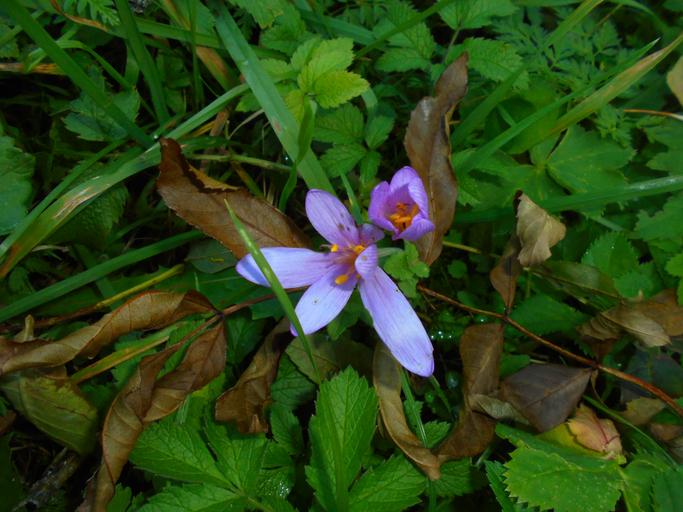
1. Plant Origin (Source & Identity)
- Botanical name: Colchicum autumnale
- Family: Colchicaceae
- Common names: Autumn Crocus, Meadow Saffron
- Natural habitat: Europe and parts of Western Asia
- Part used: Fresh bulb (corm) and seeds
2. Extraction & Homeopathic Preparation
- The fresh bulb is harvested and macerated in alcohol to create the mother tincture (Q). Seeds may also be included in some preparations.
- The substance undergoes potentization through serial dilution and succussion, following official homeopathic pharmacopeia protocols.
Safety Note:
Colchicum contains colchicine, a potent alkaloid toxic in crude form. Homeopathic dilutions, when properly prepared, are safe for use.
3. Core Sphere of Action
- Primary Targets:
- Joints
- Digestive system
- Serous membranes
- Metabolic processes (especially uric acid)
Central Theme:
Inflammatory joint pain, extreme sensitivity to odors, and digestive disturbances.
4. Characteristic Symptoms & Keynotes
- Severe joint pain, notably in gout
- Pain worsened by slightest motion
- Swollen, red, hot joints
- Nausea triggered by the smell of food
- Abdominal bloating/distension
- Symptoms aggravated in autumn
- Extreme sensitivity to touch
Keynote Symptom:
“Gouty pain with nausea from the smell of food.”
5. Key Repertory Rubrics
- Joints: gouty inflammation
- Extremities: pain aggravated by motion
- Stomach: nausea from odors
- Abdomen: distension
- Generalities: worse in autumn
6. Comparative Remedies (Differential Diagnosis)
| Feature | Colchicum | Bryonia | Ledum |
|---|---|---|---|
| Motion aggravates | Marked | Marked | Mild |
| Gout | Acute, intense | Moderate | Chronic |
| Nausea from smell | Characteristic | Rare | Rare |
| Swelling | Red, inflamed | Dry, tense | Pale |
7. Therapeutic Uses in Homeopathy
- Common (Acute):
- Acute gout
- Joint inflammation
- Nausea during inflammatory episodes
- Chronic:
- Recurrent gouty arthritis
- Chronic rheumatism
- Digestive issues related to gout
- Severe (Adjunctive):
- Acute, systemic gout attacks (requires medical supervision)
8. Constitutional Portrait (Indications)
Best suited for individuals who:
- Have a tendency toward gout
- Experience severe joint inflammation
- Are highly sensitive to odors
- Have digestive upset during inflammatory episodes
- Often applicable to middle-aged and elderly patients
9. Potency & Practical Usage
| Potency | Pack Size | Clinical Role |
|---|---|---|
| 3X | 100 ml | Acute gout, early joint inflammation |
| 30C | 100 ml | Moderate inflammatory states |
| 200C | 100 ml | Chronic recurrent gout |
Dosage Guidance:
- Acute attacks: short-term repeated dosing
- Chronic cases: infrequent dosing
- Discontinue once pain subsides
10. Effects in Children & Seniors
- Children: Rarely indicated; occasional use in rheumatic pain
- Seniors: Gout, chronic joint inflammation, digestive sensitivity; monitor for metabolic disorders
11. Clinical Insights
Colchicum is a leading remedy for acute gout and inflammatory arthritis in homeopathy. The hallmark symptom is nausea provoked by food odors, which can confirm its selection. Joint symptoms are distinguished by redness, swelling, heat, and severe sensitivity, especially during acute attacks. Digestive discomfort is prominent, unlike in Bryonia, where dryness and immobility are typical.
Improvement with Colchicum is signified by less swelling, reduced pain, and digestive relief. As gout is a metabolic disorder, management should include dietary guidance and medical oversight.
12. Sample Repertorization Chart
| Rubric | Colchicum | Bryonia | Ledum |
|---|---|---|---|
| Gouty inflammation | 3 | 2 | 2 |
| Motion aggravates | 3 | 3 | 1 |
| Nausea – odor | 3 | 0 | 0 |
| Joint swelling | 3 | 2 | 2 |
| Autumn aggravation | 2 | 1 | 1 |
Conclusion
Colchicum holds a central place in homeopathy for managing acute and recurrent gouty inflammation. Its distinctive symptom of nausea triggered by the mere smell of food makes it highly specific and reliable when present. By addressing both joint inflammation and digestive sensitivity, Colchicum provides a comprehensive therapeutic approach.
When prescribed in the appropriate potency and supported with dietary management and medical supervision, Colchicum can significantly reduce pain intensity and frequency of attacks. Because gout often reflects underlying metabolic imbalance, ongoing monitoring is essential. Used responsibly, Colchicum remains a valuable remedy for restoring joint comfort and improving quality of life.
Colchicum also demonstrates the importance of recognizing the interplay between metabolic disturbance and inflammatory response in chronic gouty conditions. Patients who require this remedy often exhibit heightened sensitivity not only in the affected joints but also in digestion and general vitality. By gently moderating inflammatory tendencies while supporting metabolic balance, Colchicum contributes to more stable long-term outcomes. Regular follow-up, lifestyle modification, and attention to dietary triggers further enhance its effectiveness. When selected on clear characteristic indications, Colchicum continues to exemplify precise, symptom-based prescribing in homeopathic management of gout.