
1) Plant Origin (Source & Identity)
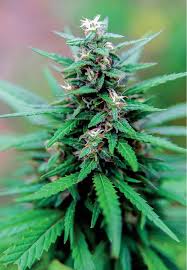
- Botanical name: Cannabis sativa
- Family: Cannabaceae
- Common names: Hemp
- Natural habitat: Native to Central Asia; cultivated globally
- Part used: Flowering tops and resin
2) Extraction & Homeopathic Preparation
- Fresh flowering tops are harvested and macerated in alcohol to create the mother tincture (Q).
- This tincture is subsequently diluted and succussed as per official homeopathic pharmacopeias to produce various potencies.
Safety Note:
Crude cannabis can cause psychoactive effects. Homeopathic potencies, when used as prescribed, are non-intoxicating and safe.
3) Core Sphere of Action
Cannabis sativa primarily acts on:
- The genito-urinary system
- The urinary tract
- The nervous system
- Mucous membranes
Central Theme:
Inflammation and irritation of the urinary passages, often accompanied by burning and discharge.
4) Characteristic Symptoms & Keynotes
- Burning pain before, during, and after urination
- Difficulty starting urine flow
- Splitting or forked urinary stream
- Thick mucous discharge from the urethra
- Sensation of urethral constriction
- Restlessness due to urinary discomfort
Keynote:
Intense burning along the entire urinary tract.
5) Key Repertory Rubrics
- Urethra – burning pain
- Urination – difficult
- Urination – stream split
- Urethral discharge
- Bladder – irritation
6) Comparative Remedies (Differentials)
| Feature | Cannabis sativa | Cantharis | Copaiva |
|---|---|---|---|
| Burning urination | Severe | Intense | Mild |
| Discharge | Thick, mucous | Bloody | Thin |
| Tenesmus | Moderate | Severe | Mild |
| Inflammation | Urethral | Bladder | Urethral |
7) Therapeutic Uses in Homeopathy
Acute Conditions:
- Acute urethritis
- Painful urination
- Urinary tract irritation
Chronic Conditions:
- Chronic urethral inflammation
- Persistent urinary discomfort
- Recurrent mucous discharge
Severe Conditions (Adjunctive only):
- Severe urinary inflammation
Requires medical supervision.
8) Constitutional Portrait (Who Benefits Most)
Cannabis sativa suits:
- Individuals sensitive to mucous membrane irritation
- Patients with recurring urinary tract inflammation
- Those experiencing marked burning sensations
It is primarily an organ-specific remedy, not a deep constitutional medicine.
9) Potency & Practical Usage
| Potency | Pack Size | Clinical Role |
|---|---|---|
| 30C | 100 ml | Acute urinary irritation, burning |
| 200C | 100 ml | Chronic urethral inflammation |
Dosage Guidance:
- Acute cases: short-term repetition
- Chronic cases: infrequent dosing
- Discontinue once burning and irritation subside
10) Effects in Children & Seniors
Children:
- Rarely indicated
- Only use under professional supervision
Seniors:
- Chronic urinary irritation
- Weak bladder control
- Regular monitoring required
11) Clinical Insights
Cannabis sativa is especially valuable in cases of inflammation of the urethra and bladder with a predominance of burning pain. Unlike Cantharis (which causes pronounced bladder tenesmus and bleeding), Cannabis sativa acts more specifically on the urethra, marked by thick, mucous discharge and difficult urination.
Patients frequently report intense burning and discomfort along the entire urinary tract. Clinical improvement is noted by decreased burning, normalization of urinary stream, and resolution of discharge. This remedy is particularly useful in subacute and chronic urinary complaints, especially where standard interventions have failed to relieve persistent irritation.
12) Sample Repertorization Chart
| Rubric | Cannabis sativa | Cantharis | Copaiva |
|---|---|---|---|
| Burning urination | 3 | 3 | 1 |
| Urethral discharge | 3 | 2 | 2 |
| Difficulty urinating | 2 | 3 | 1 |
| Split stream | 3 | 1 | 0 |
| Bladder irritation | 2 | 3 | 1 |
Conclusion
Cannabis sativa remains a highly specific and dependable homeopathic remedy for disorders of the urinary tract characterized by intense burning, irritation, smarting pain, and purulent or mucous discharge. Its therapeutic action is especially pronounced when symptoms are distinctly localized to the urethra, bladder neck, or urinary passages, and when discomfort is aggravated during and after urination. In many cases, patients experience persistent suffering despite conventional or symptomatic treatments, making Cannabis sativa particularly valuable in chronic, recurrent, or resistant urinary complaints.
The remedy demonstrates marked effectiveness in conditions such as urethritis, cystitis, post-infectious urinary irritation, and painful micturition where inflammation and hypersensitivity dominate the clinical picture. Its ability to soothe inflamed mucous membranes, reduce burning sensations, and gradually restore normal urinary function makes it a cornerstone medicine in homeopathic urology. When selected based on clear symptom similarity, it not only relieves acute discomfort but also helps prevent the progression of disease into long-standing or relapsing forms.
Correct potency selection, appropriate dosage, and sufficient intervals between repetitions are crucial for achieving optimal results. Over-prescription or unnecessary repetition may blunt its action, whereas careful observation allows the remedy to work deeply and gently. Patients often report gradual improvement in urinary flow, reduction in discharge, decreased pain, and an overall sense of comfort and well-being when the remedy is allowed to act without interference.
Beyond its physical effects, Cannabis sativa also supports constitutional balance by addressing irritability, restlessness, and mental distress that frequently accompany chronic urinary ailments. This holistic influence aligns with the fundamental principles of homeopathy, where treatment aims not merely at symptom suppression but at restoring harmony within the individual as a whole.
In conclusion, Cannabis sativa stands as a powerful and reliable homeopathic remedy for urinary tract disorders marked by burning, irritation, and discharge. When prescribed judiciously and monitored carefully, it can significantly reduce inflammation, restore urinary comfort, improve quality of life, and help prevent chronicity, reaffirming its enduring value in classical homeopathic practice.