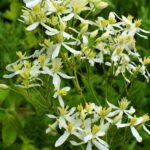


1. Plant Origin (Source & Identity)
- Botanical name: Anamirta cocculus
- Family: Menispermaceae
- Common names: Cocculus Indicus, Fish Berry
- Natural habitat: India, Southeast Asia
- Part used: Dried berries (seeds)
2. Extraction & Homeopathic Preparation
The dried berries are finely powdered and macerated in alcohol to create the mother tincture (Q). This tincture undergoes serial dilution and succussion, following established homeopathic pharmacopeia standards.
Safety Note:
Crude berries contain picrotoxin, a neurotoxin. However, homeopathic potencies are extremely diluted and are safe when prepared by qualified pharmacies.
3. Core Sphere of Action
Cocculus Indicus primarily affects:
- Central nervous system
- Vestibular (balance) system
- Digestive system
- Muscular coordination
Central Theme:
Nervous exhaustion presenting as dizziness, nausea, and profound weakness.
4. Characteristic Symptoms & Keynotes
- Pronounced dizziness and vertigo
- Nausea and vomiting, often triggered by motion
- Profound weakness, especially in the legs
- Mental dullness and inability to think clearly
- Trembling due to exhaustion
- Sleeplessness from nervous overstrain
- Symptoms aggravated by sleep loss
Keynote:
Vertigo and nausea resulting from nervous exhaustion and sleep deprivation.
5. Key Repertory Rubrics
- Vertigo – aggravated by motion
- Nausea – triggered by riding or motion
- Weakness – paralytic in nature
- Sleep – sleeplessness from exhaustion
- Mind – confusion from fatigue
6. Comparative Remedies (Differentiation Table)
| Feature | Cocculus Ind. | Gelsemium | Nux vomica |
|---|---|---|---|
| Dizziness | Marked | Moderate | Mild |
| Motion sickness | Severe | Mild | Rare |
| Weakness | Paralytic | Dull | Irritable |
| Cause | Sleep loss | Anticipation | Overwork |
7. Therapeutic Uses in Homeopathy
Common (Subacute Conditions):
- Motion sickness
- Vertigo
- Nausea during travel
- Exhaustion from lack of sleep
Chronic Conditions:
- Long-standing vertigo
- Nervous debility
- Post-illness weakness
- Disorders from sleep deprivation
Severe Conditions (Adjunctive Only):
- Severe vestibular dysfunction
Neurological evaluation recommended.
8. Constitutional Portrait (Most Suitable Individuals)
Cocculus Indicus best fits those who:
- Are exhausted from long-term care or stress
- Experience sleep loss from caring for others
- Suffer from mental dullness and physical weakness
- Are highly sensitive to motion
Frequently indicated for caregivers, night-shift workers, and anyone worn out by responsibility and lack of sleep.
9. Potency & Practical Usage
| Potency | Pack Size | Clinical Role |
|---|---|---|
| 30C | 100 ml | Motion sickness, acute vertigo |
| 200C | 100 ml | Chronic dizziness, exhaustion |
| 1M | 60 ml | Deep nervous debility |
Dosage Guidance:
- For acute travel sickness: short-term use
- For chronic cases: infrequent repetition
- Discontinue once balance and strength are restored
10. Effects in Children & Seniors
Children:
- Motion sickness
- Travel-related nausea
Seniors:
- Vertigo
- Balance disturbances
- Nervous exhaustion
Close monitoring is recommended in both groups.
11. Clinical Insights
Cocculus Indicus is a leading remedy for vertigo and nausea that stem from nervous exhaustion rather than structural disease. Sleep deprivation, often due to long-term caregiving or emotional stress, is a strong guiding indication. Patients typically feel weak, dizzy, and lack coordination, but show minimal inflammation or other pathology.
Unlike Gelsemium (with heaviness and anticipatory weakness), Cocculus Indicus features more severe, paralytic weakness and nausea. Improvement is marked by better balance, less dizziness, clearer thinking, and slow but steady return of strength. Because nerve recovery is gradual, doses should be carefully spaced.
12. Sample Repertorization Chart
| Rubric | Cocculus Ind. | Gelsemium | Nux vomica |
|---|---|---|---|
| Vertigo – motion | 3 | 2 | 1 |
| Nausea – motion | 3 | 1 | 1 |
| Weakness – exhaustion | 3 | 2 | 1 |
| Sleeplessness | 3 | 1 | 2 |
| Mental confusion | 3 | 2 | 1 |
Conclusion
Cocculus Indicus occupies a vital place in homeopathy for conditions involving nervous exhaustion, vertigo, and motion-induced nausea. Its greatest strength lies in addressing imbalance caused by prolonged loss of sleep, emotional strain, or overexertion, particularly in caregivers and chronically fatigued individuals.
When prescribed correctly and allowed adequate time to act, Cocculus Ind. can restore balance, reduce nausea, and gradually rebuild nervous strength. Because such cases often require long-term recovery, careful potency selection and consistent follow-up are essential. Used responsibly alongside medical evaluation, Cocculus Ind. remains a dependable remedy for restoring equilibrium, vitality, and functional well-being.