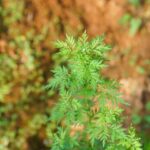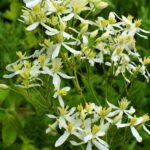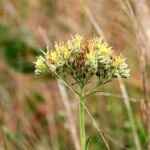

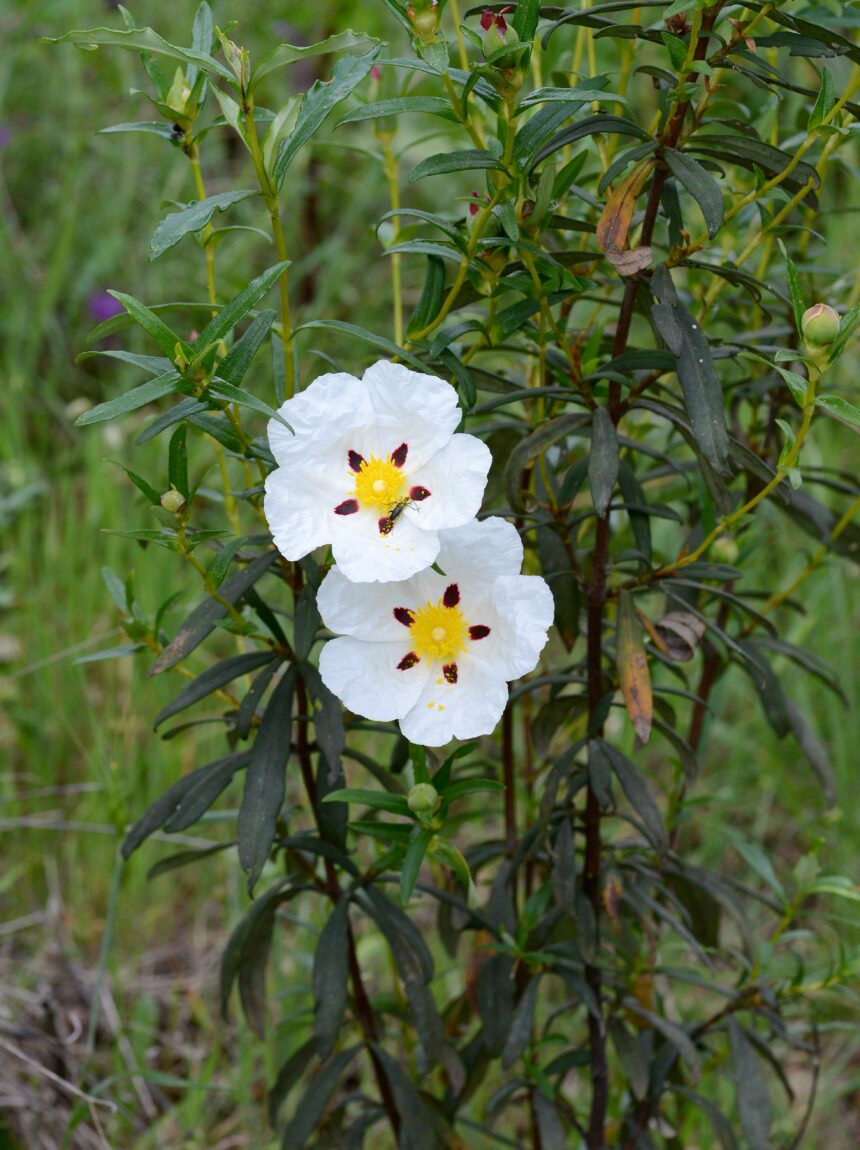
1. Plant Origin (Source & Identity)
- Botanical name: Cistus canadensis
- Family: Cistaceae
- Common names: Rock Rose
- Natural habitat: Native to North America, especially in dry, sandy soils and rocky areas
- Part used: Fresh whole plant
2. Extraction & Homeopathic Preparation
The plant is harvested during flowering and macerated in alcohol to create the mother tincture (Q), which is then potentized by serial dilution and succussion, following classical homeopathic pharmacopeial standards.
Safety Note: Crude (non-homeopathic) preparations may cause irritation. Homeopathic potencies are highly diluted and safe when prepared by licensed pharmacies.
3. Core Sphere of Action
Cistus Can. primarily acts on:
- Glandular system
- Mucous membranes
- Skin
- Bones (periosteum)
Central Theme:
Chronic inflammation with glandular hardening (induration) and a tendency toward ulceration.
4. Characteristic Symptoms & Keynotes
- Swollen, hard (indurated) glands, especially in the neck (cervical)
- Persistent catarrhal inflammation
- Notable dryness of the mouth and throat
- Cracks and fissures at the mouth corners
- Ulcerative lesions
- Bone pain, especially involving the periosteum
- Tendency to chronic suppuration (pus formation)
Keynote:
“Hard, swollen glands with chronic inflammation.”
5. Key Repertory Rubrics
- Glands – indurated
- Throat – dryness
- Mouth – cracks at corners
- Skin – ulcers
- Bones – periosteal pain
6. Comparative Remedies (Differentials)
| Feature | Cistus Can. | Calcarea iod. | Hepar sulph |
|---|---|---|---|
| Gland swelling | Hard, indurated | Enlarged | Suppurative |
| Discharge | Minimal | Minimal | Profuse |
| Bone pain | Present | Mild | Rare |
| Ulceration | Marked | Rare | Moderate |
7. Therapeutic Uses in Homeopathy
Common (Subacute Conditions)
- Chronic glandular swelling
- Dry catarrh of nose and throat
- Cracked lips and oral fissures
Chronic Conditions
- Scrofulous gland disease
- Chronic cervical adenitis
- Indurated lymph nodes
- Chronic ulcerative skin lesions
Severe Conditions (Adjunctive Only)
- Advanced glandular disease
Medical evaluation required.
8. Constitutional Portrait (Who Benefits Most)
Cistus Can. is best suited to individuals with:
- Chronic glandular inflammation
- A tendency toward induration, not suppuration
- Dryness and ulceration of mucous membranes
- Scrofulous or tubercular diathesis
Often indicated in children and young adults with persistent glandular issues.
9. Potency & Practical Usage
| Potency | Pack Size | Clinical Role |
|---|---|---|
| 6C | 100 ml | Early glandular swelling |
| 200C | 100 ml | Chronic indurated glands |
| 1M | 60 ml | Deep constitutional cases |
Dosage Guidance:
- In chronic cases, dose infrequently
- Monitor gland response over several weeks
- Avoid repetition once improvement is observed
10. Effects in Children & Seniors
Children:
- Scrofulous gland enlargement
- Chronic tonsillar swelling
Seniors:
- Chronic lymph node induration
- Dry mucosal conditions
Regular follow-up is recommended in both groups.
11. Clinical Insights
Cistus Can. is particularly valuable for chronic glandular and scrofulous conditions where swelling becomes hard and indurated, rather than soft or pus-forming (suppurative). It is especially effective for chronic cervical lymphadenitis that has not resolved with more acute remedies. The combination of mucosal dryness and a tendency toward ulceration is a key guide to its use.
Unlike Hepar sulphuris, which promotes suppuration, Cistus Can. acts earlier to resolve induration and prevent tissue breakdown. Bone involvement, especially periosteal pain, further supports its indication. Improvement with Cistus Can. is gradual but steady—look for softening of glands, reduction of pain, and healing of ulcerative lesions over time.
12. Sample Repertorization Chart
| Rubric | Cistus Can. | Calc. iod. | Hepar sulph |
|---|---|---|---|
| Glands – indurated | 3 | 3 | 1 |
| Throat dryness | 3 | 2 | 1 |
| Mouth cracks | 3 | 1 | 1 |
| Ulceration | 2 | 0 | 2 |
| Bone pain | 2 | 1 | 0 |
Conclusion
Cistus canadensis occupies an important role in homeopathy for managing chronic glandular and scrofulous conditions characterized by hardness, induration, and persistent inflammation. Its action is particularly valuable when lymphatic swelling does not suppurate but remains firm and painful over time. By addressing both glandular tissue and associated mucosal dryness, Cistus Can. supports gradual resolution and tissue normalization.
When prescribed in the correct potency with sufficient observation intervals, Cistus Can. can reduce chronic swelling, alleviate discomfort, and prevent progression to ulceration or suppuration. Because such conditions often evolve slowly, patience and regular follow-up are essential. Used judiciously and integrated with appropriate medical care, Cistus Can. remains a dependable remedy for restoring glandular balance and long-term health.