
1. Source Origin (Source & Identity)
- Remedy Name: China Arsenicosum (China Ars.)
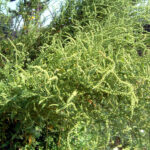
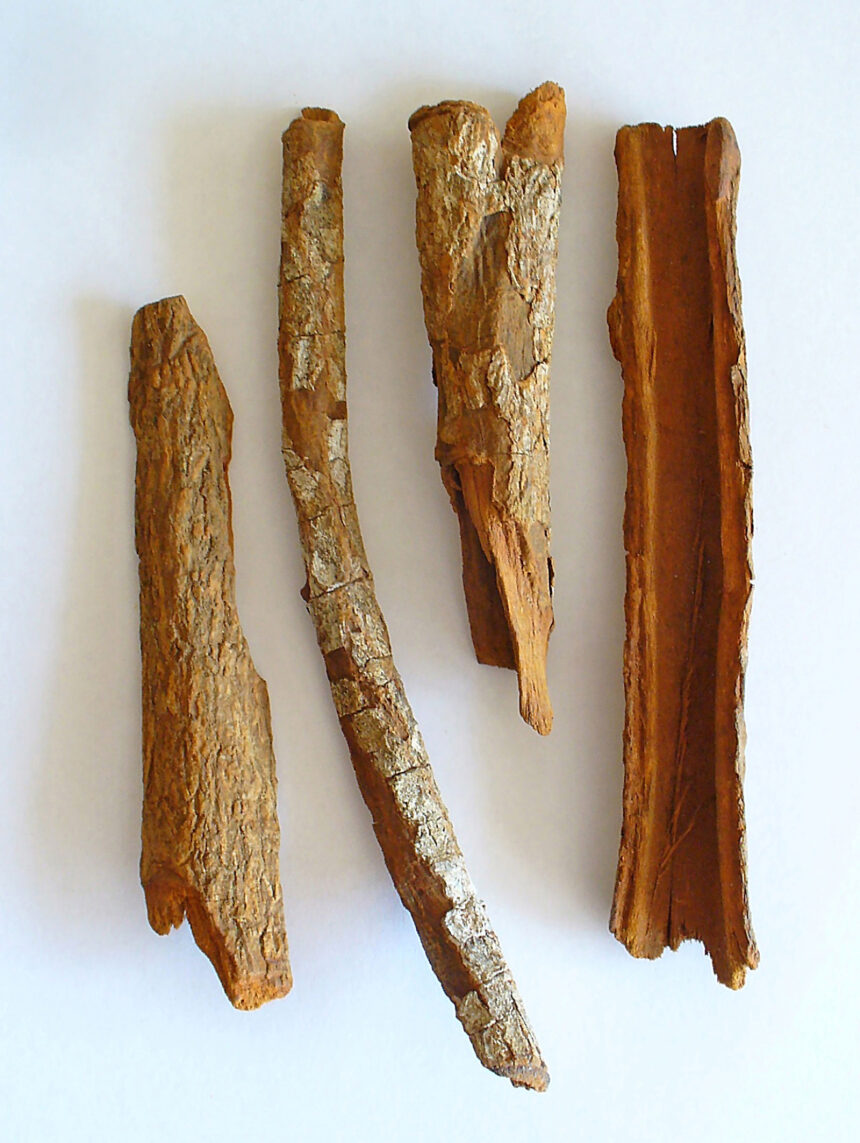
- Botanical Base: Cinchona officinalis (Peruvian Bark)
- Mineral Component: Arsenicum album
- Family: Rubiaceae
- Kingdom: Plant–mineral combination
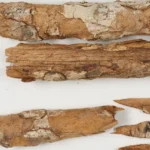
- Part Used: Cinchona bark impregnated with arsenic compound
2. Extraction & Homeopathic Preparation
The Cinchona bark is first processed to create the mother tincture. This substance is then combined with Arsenicum album and subjected to systematic trituration, serial dilution, and succussion, in strict accordance with homeopathic pharmacopeial standards.
Safety Note: Arsenic is highly toxic in crude form. However, homeopathic potencies are so highly diluted that they are considered safe when prepared correctly.
3. Core Sphere of Action
China Ars. primarily acts upon:
- Blood and circulation
- Digestive system
- Nervous system
- Vital force
Central Theme:
Profound exhaustion from loss of vital fluids, accompanied by anxiety and restlessness.
4. Characteristic Symptoms & Keynotes
- Extreme exhaustion following loss of fluids
- Weakness after hemorrhage, diarrhea, or profuse sweating
- Anxiety associated with physical debility
- Restlessness and fear
- Sensitivity to touch
- Flatulence and abdominal distension
- Periodicity in complaints
Keynote:
Debility from loss of fluids with anxious restlessness.
5. Key Repertory Rubrics
- Generalities – Weakness – from loss of fluids
- Anxiety – with weakness
- Abdomen – Distension – Flatulence
- Fever – Intermittent – with debility
- Hemorrhage – Effects of
6. Comparative Remedies (Differential Diagnosis)
| Feature | China Ars. | China | Arsenicum |
|---|---|---|---|
| Weakness | Extreme | Marked | Marked |
| Fluid loss | Prominent | Prominent | Mild |
| Anxiety | Marked | Mild | Severe |
| Restlessness | Present | Absent | Strong |
| Periodicity | Present | Strong | Weak |
7. Therapeutic Uses in Homeopathy
Common (Subacute Conditions)
- Post-diarrheal weakness
- Exhaustion after illness
- Flatulent dyspepsia with debility
Chronic Conditions
- Chronic anemia
- Weakness after repeated blood loss
- Long-standing digestive debility
Severe Conditions (Adjunctive Only)
- Collapse after hemorrhage
- Post-infectious exhaustion
Requires medical supervision.
8. Constitutional Portrait (Who Benefits Most)
China Ars. is best suited to individuals who:
- Are debilitated after illness
- Experience anxiety and restlessness when weak
- Suffer from repeated losses of body fluids
- Are sensitive and easily exhausted
Often indicated in chronically weakened patients.
9. Potency & Practical Usage
| Potency | Pack Size | Clinical Role |
|---|---|---|
| 200C | 100 ml | Chronic weakness with anxiety |
Dosage Guidance:
- Infrequent dosing
- Long intervals between doses
- Avoid repetition once strength improves
10. Effects in Children & Seniors
Children:
- Weakness after diarrhea
- Failure to regain strength
Seniors:
- Anemia
- Exhaustion after illness
- Digestive debility
Close monitoring is essential in both groups.
11. Clinical Insights
Clinically, China Ars. is particularly useful where severe physical depletion is accompanied by mental anxiety. While China alone addresses weakness from fluid loss, China Ars. extends its action to the nervous system—covering restlessness, fear, and irritability. Patients typically report feeling both physically and mentally “drained.”
Unlike Arsenicum alone, which focuses on anxiety and burning pains, China Ars. maintains a focus on depleted vitality. Recovery with this remedy is usually gradual and is indicated by the return of strength, reduction of anxiety, improved digestion, and greater tolerance for activity. Because improvement is slow, careful repetition and patient observation are needed.
12. Sample Repertorization Chart
| Rubric | China Ars. | China | Arsenicum |
|---|---|---|---|
| Weakness – fluid loss | 3 | 3 | 1 |
| Anxiety with debility | 3 | 1 | 3 |
| Flatulence | 3 | 3 | 1 |
| Periodicity | 2 | 3 | 1 |
| Restlessness | 2 | 0 | 3 |
Conclusion
China Arsenicosum represents an important therapeutic bridge between physical depletion and mental distress. Its greatest value lies in restoring vitality when prolonged illness, hemorrhage, or fluid loss has weakened both body and mind. By addressing anxiety alongside exhaustion, it supports more complete and sustained recovery.
When prescribed carefully in appropriate potency, China Ars. can help patients regain strength, stabilize digestion, and improve emotional resilience. Because such cases often involve chronic debility, integration with nutritional support, rest, and medical evaluation is essential. Used judiciously, China Ars. remains a valuable remedy for rebuilding vitality and restoring functional balance.