
1. Plant Origin & Identity
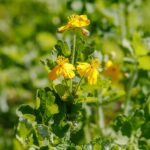
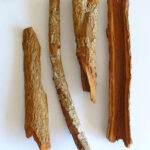
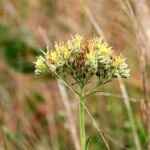
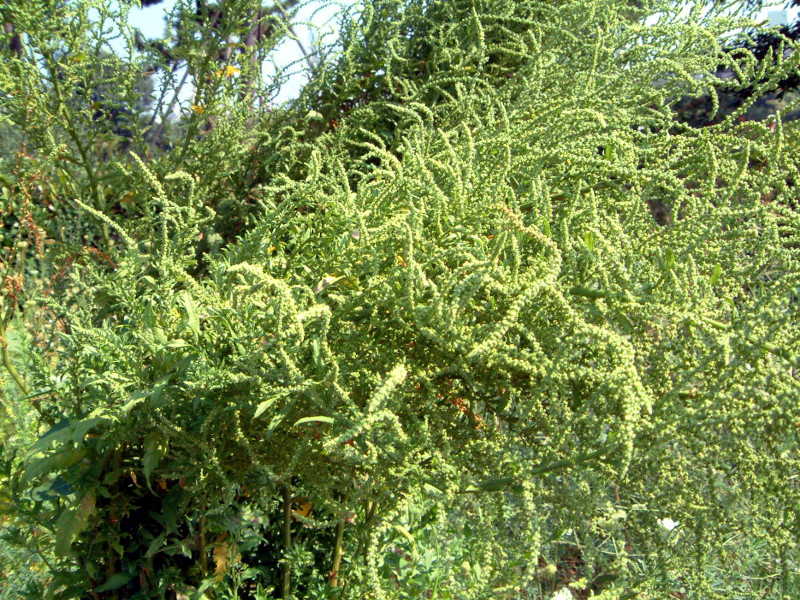
- Botanical Name: Chenopodi anthelminticum
- Abbreviation: Chenopodi A.
- Family: Amaranthaceae
- Common Names: American Wormseed, Mexican Tea
- Natural Habitat: Native to North and Central America
- Part Used: Seeds and flowering tops
2. Extraction & Homeopathic Preparation
The seeds and flowering tops are harvested at maturity and macerated in alcohol to produce the mother tincture (Q). This tincture undergoes serial dilution and succussion, as per official homeopathic pharmacopeial methods, to create various potencies.
Safety Note:
The crude essential oil of Chenopodium is toxic. However, homeopathic preparations are highly diluted and safe when properly prepared.
3. Core Sphere of Action
Chenopodi A. acts primarily on:
- Auditory nerves
- Inner ear structures
- Peripheral nervous system
- Digestive tract
Central Theme:
Progressive weakness of the auditory nerve with distinctive hearing symptoms.
4. Characteristic Symptoms & Keynotes
- Gradually progressing deafness, notably for spoken words
- Music perceived more clearly than speech
- Roaring or buzzing tinnitus
- Vertigo linked to ear problems
- Nervous exhaustion, especially after prolonged strain
- History of intestinal irritation or worms
- Weakness following nerve strain
Keynote:
Hears music distinctly but fails to understand spoken words.
5. Key Repertory Rubrics
- Ear – deafness – progressive
- Ear – hearing – music better than speech
- Ear – noises – roaring
- Vertigo – ear origin
- Nerves – exhaustion
6. Comparative Remedies (Differential Diagnosis)
| Feature | Chenopodi A. | Graphites | Silicea |
|---|---|---|---|
| Deafness | Progressive | Mild | Variable |
| Music vs speech | Characteristic | Absent | Absent |
| Tinnitus | Marked | Mild | Moderate |
| Nerve weakness | Prominent | Mild | Moderate |
7. Therapeutic Uses in Homeopathy
Common (Subacute):
- Auditory nerve weakness
- Persistent tinnitus
- Vertigo related to ear disorders
Chronic:
- Progressive sensorineural hearing loss
- Chronic tinnitus
- Nerve exhaustion affecting hearing
Severe (Adjunctive Only):
- Advanced auditory degeneration
Note: ENT and audiological assessment is essential.
8. Constitutional Portrait
Chenopodi A. is best suited for individuals who:
- Experience gradual hearing decline
- Retain musical perception but lose clarity of speech
- Suffer from nerve fatigue
- Have chronic or long-standing ear complaints
This remedy is organ-specific rather than broadly constitutional.
9. Potency & Practical Usage
| Potency | Pack Size | Clinical Role |
|---|---|---|
| 30C | 100 ml | Progressive deafness, tinnitus, vertigo |
Dosage Guidance:
- In chronic cases, dose infrequently
- Allow long observation periods
- Discontinue once hearing stabilizes
10. Effects in Children & Seniors
Children:
- Rarely indicated
- Occasionally for nerve-related hearing problems
Seniors:
- Age-related hearing loss
- Tinnitus
- Balance disturbances
- Regular monitoring advised
11. Expanded Clinical Insights
Chenopodi A. is a key remedy for progressive auditory nerve degeneration, especially where hearing loss is marked by clear musical perception but impaired speech comprehension. Unlike remedies for inflammatory or catarrhal ear issues, Chenopodi A. targets neural (sensorineural) deficits. Symptoms often include roaring tinnitus and vertigo, indicating inner ear involvement. Improvement is gradual—stabilization of hearing, reduction in tinnitus, and better balance. Given the slow regeneration of nerve tissue, patience and accurate dosing are essential.
12. Sample Repertorization Chart
| Rubric | Chenopodi A. | Graphites | Silicea |
|---|---|---|---|
| Deafness – progressive | 3 | 1 | 2 |
| Music heard better | 3 | 0 | 0 |
| Tinnitus – roaring | 3 | 1 | 2 |
| Vertigo | 2 | 1 | 2 |
| Nerve exhaustion | 3 | 1 | 2 |
Conclusion
Chenopodi Anthelminticum holds a distinct position in homeopathy for treating disorders of the auditory nerve, particularly those marked by gradual hearing loss and unusual perception patterns. Its hallmark indication—better hearing for music than speech—makes it highly reliable when present. Though not a deeply constitutional remedy, its targeted action on nerve tissue can help stabilize symptoms and slow progression.
When prescribed correctly and monitored over time, Chenopodi Anthelminticum may reduce tinnitus, improve balance, and preserve functional hearing. Because hearing impairment often progresses silently, regular follow-up and integration with modern audiological care are essential. Used judiciously, Chenopodi Anthelminticum can contribute meaningfully to long-term auditory health and quality of life.
Chenopodi Anthelminticum also highlights the importance of recognizing subtle and characteristic symptoms in homeopathic prescribing, especially in sensory disorders where changes may be gradual and easily overlooked. Careful evaluation of auditory perception, patient history, and associated neurological signs allows the practitioner to intervene at an early stage, potentially preserving function before irreversible damage occurs. Although its sphere of action is limited, timely and appropriate use of Chenopodi Anthelminticum demonstrates how a specifically indicated remedy can play a supportive role in comprehensive hearing care when combined with professional monitoring and patient awareness.