
1. Plant Origin (Source & Identity)
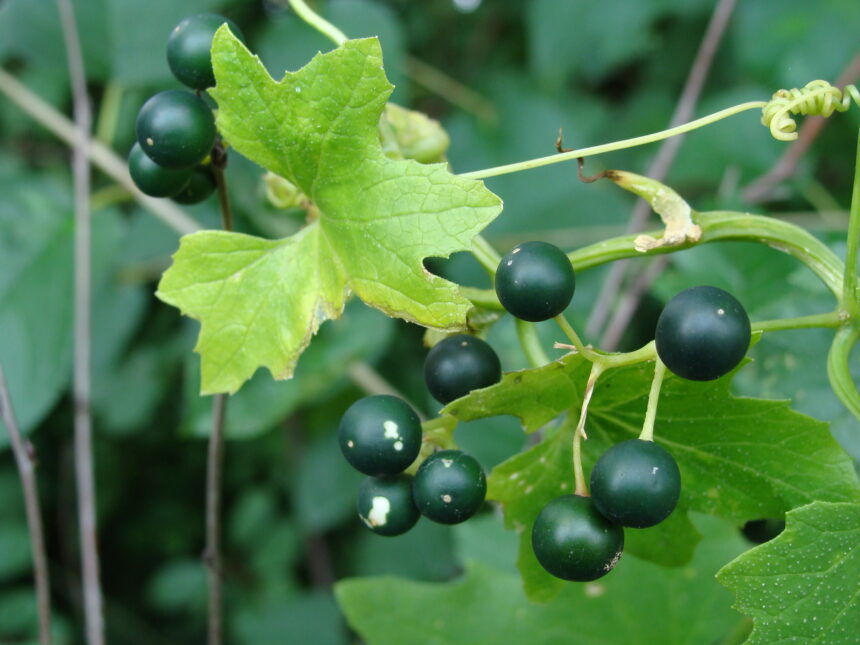
- Botanical name: Bryonia alba
- Family: Cucurbitaceae
- Common names: White Bryony
- Natural habitat: Native to Europe and Western Asia; commonly found along hedges, fences, and in dry soils
- Part used: Fresh root
2. Extraction & Homeopathic Preparation
The preparation begins with harvesting and cleaning the fresh root, which is then macerated in alcohol to create the mother tincture (Q). This tincture undergoes serial dilution and succussion, following homeopathic pharmacopeial standards, to produce various potencies.
Safety note: The crude root of Bryonia is toxic. Homeopathic preparations, however, are highly diluted and considered safe when manufactured by licensed pharmacies.
3. Core Sphere of Action
Bryonia alba primarily affects:
- Serous membranes
- Respiratory system
- Joints and muscles
- Digestive system
Central Theme: Dryness, inflammation, and pain that worsens with even slight movement.
4. Characteristic Symptoms & Keynotes
- Intense dryness of mucous membranes
- Stitching, tearing pains
- Pain aggravated by motion, relieved by rest and pressure
- Marked irritability; desire to be left alone
- Strong thirst for large volumes of water, but infrequently
A keynote symptom: Every movement aggravates.
5. Key Repertory Rubrics
- Mind: Irritable; prefers solitude
- Generalities: Aggravation from motion; amelioration from pressure and rest
- Chest: Stitching pain with breathing or coughing
- Extremities: Rheumatic pain, worsened by motion
6. Comparative Remedies (Differentials)
| Feature | Bryonia | Rhus tox | Belladonna | Arnica |
|---|---|---|---|---|
| Motion | Worse | Better | Worse | Worse |
| Pain type | Stitching | Tearing | Throbbing | Bruised |
| Thirst | Large amounts | Frequent sips | Variable | Normal |
| Mind | Irritable | Restless | Excited | Indifferent |
7. Therapeutic Uses in Homeopathy
- Common conditions:
- Dry cough with chest pain
- Headache from exertion
- Muscle strain
- Chronic ailments:
- Rheumatism
- Chronic pleurisy
- Arthritis with stiffness
- Severe conditions (adjunctive only):
- Pneumonia (early stage)
- Pleural effusion
Acute respiratory diseases require medical supervision.
8. Constitutional Portrait
- Strong-willed, irritable individuals
- Prefer stillness and quiet
- Dry constitution
Constitutional action: Addresses serous inflammation and pain made worse by movement.
9. Potency & Practical Usage
| Potency | Pack Size | Clinical Role |
|---|---|---|
| 3X | 100 ml | Acute musculoskeletal strain, early inflammatory pain |
| 30C | 100 ml | Acute inflammatory states, pleurisy, dry cough |
| 200C | 100 ml | Deep serous inflammation, pneumonia (early stage) |
| 1M | 60 ml | Recurrent inflammatory episodes, constitutional tendency |
| 10M | 30 ml | Long-standing rheumatic or serous conditions (expert use) |
| 50M | 30 ml | Deep constitutional prescribing in chronic cases (specialist supervision) |
Dosage guidance: Repeat cautiously in acute cases; discontinue once improvement is evident.
10. Effects in Children & Seniors
- Children: Dry cough; fever with irritability
- Seniors: Arthritis; chest pain on movement
Monitor hydration status in both groups.
11. Clinical Insights
Bryonia alba is a dependable remedy for acute inflammatory conditions with pain sharply aggravated by motion. Patients instinctively avoid movement as even minor activity worsens discomfort—distinct from Rhus toxicodendron, where movement eases pain.
In respiratory cases, dry cough and sharp chest pain compel patients to hold their chest while coughing. Joint and muscle pains are stitching or tearing and respond well to firm pressure. Emotional symptoms include irritability and a preference for silence.
Improvement with Bryonia is seen as pain lessens, movement becomes more tolerable, and mucous membranes regain moisture.
12. Sample Repertorization Chart
| Rubric | Bryonia | Rhus tox | Belladonna | Arnica |
|---|---|---|---|---|
| Worse from motion | 3 | 0 | 2 | 2 |
| Stitching pain | 3 | 2 | 2 | 1 |
| Dryness | 3 | 1 | 2 | 1 |
| Thirst large | 3 | 1 | 1 | 0 |
| Irritability | 2 | 2 | 3 | 1 |
Conclusion
Bryonia alba remains a cornerstone remedy in homeopathic practice for inflammatory conditions marked by pronounced dryness, stitching or tearing pains, and a strong aggravation from the slightest movement. Its action is especially evident in disorders of the respiratory system, such as dry pleurisy, bronchitis, and pneumonia, as well as in musculoskeletal conditions involving joints, muscles, and serous membranes. Patients often seek relief by complete rest and firm pressure, reflecting the remedy’s characteristic modalities.
When prescribed with accurate symptom matching and a clear understanding of the patient’s overall presentation, Bryonia alba can provide effective relief from pain, reduce inflammatory discomfort, and support steady recovery. Careful potency selection and dosing are essential to avoid unnecessary aggravation and to ensure a sustained therapeutic response. Regular follow-up allows the practitioner to monitor progress and adjust treatment as needed.
As with all homeopathic remedies, Bryonia alba yields the best outcomes when integrated into a holistic approach that considers hydration, rest, lifestyle factors, and individual constitutional tendencies. Thoughtful case analysis and ongoing monitoring contribute to long-term stability and functional improvement.