
1. Plant Origin (Source & Identity)
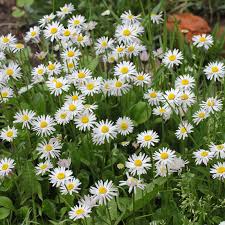
- Botanical name: Bellis perennis
- Family: Asteraceae
- Common name: Common Daisy
- Natural habitat: Native to Europe; now widespread globally
- Part used: Fresh, flowering whole plant
2.Extraction & Homeopathic Preparation
The fresh flowering plant is harvested and macerated in alcohol to create the mother tincture (Q). Homeopathic potencies are made from this tincture through serial dilution and succussion, adhering to established pharmacopeial standards.
Safety Note: Crude Bellis perennis has medicinal effects. Homeopathic remedies, when properly prepared, are highly diluted and considered safe under professional supervision.
3.Core Sphere of Action
Bellis perennis primarily acts on:
- Muscles and connective tissues
- Venous circulation
- Pelvic organs
- Deep soft-tissue trauma
Central Theme:
Deep muscular soreness and trauma, especially following surgery or childbirth.
4.Characteristic Symptoms & Keynotes
- Deep, bruised soreness within muscles
- Pain or discomfort after surgery or injury
- Pelvic congestion and uterine soreness
- Injuries affecting deeper tissues rather than surface wounds
Bellis perennis is often compared with Arnica, but it is noted for acting more profoundly within the soft tissues.
5.Key Repertory Rubrics
Generalities
- Trauma to deep tissues
- Soreness after surgery
Female Genitalia
- Uterine pain after childbirth
- Pelvic congestion
Extremities
- Muscular soreness
- Deep, bruised pain
6.Comparative Remedies (Differentials)
| Feature | Bellis perennis | Arnica | Hypericum |
|---|---|---|---|
| Tissue depth | Deep | Surface | Nerves |
| Post-surgery pain | Yes | Yes | Less |
| Pelvic trauma | Marked | Mild | No |
| Bruised soreness | Deep | General | Sharp |
7. Therapeutic Uses in Homeopathy
Common Conditions
- Muscle soreness after overexertion
- Deep tissue bruising
Chronic Ailments
- Persistent post-surgical pain
- Pelvic congestion
- Ongoing muscular soreness
Severe Conditions (Adjunctive Care)
- Post-operative recovery
- Obstetric trauma
Always use in conjunction with appropriate medical supervision.
8.Constitutional Portrait
- Robust, active individuals
- Prone to muscle strain, injuries, or frequent surgeries
Constitutional action:
Promotes healing of deep muscular and connective tissue injuries.
9.Potency & Practical Usage
| Potency | Pack Size | Clinical Role |
|---|---|---|
| 6C | 100 ml | Muscle soreness, minor trauma |
| 200C | 100 ml | Deep tissue injury, surgery |
| 1M | 60 ml | Severe or lingering trauma (expert use) |
Dosage guidance:
- Lower potencies can be repeated for acute issues.
- Higher potencies should be used less frequently and under professional guidance.
10.Effects in Children & Seniors
Children:
- Sports injuries
- Muscle strains from falls
Seniors:
- Post-surgical soreness
- Muscular weakness
Close observation is recommended for both groups.
11. Clinical Insights
Bellis perennis is particularly valuable for persistent, deep muscular pain after trauma or surgery- especially abdominal or pelvic operations where Arnica may not suffice. The typical presentation involves a bruised, aching sensation that worsens with movement.
In obstetrics, Bellis perennis is often indicated for uterine or pelvic soreness after childbirth, especially when associated with congestion and deep tissue strain. Recovery is marked by diminishing soreness, improved movement, and restoration of comfort.
12.Sample Repertorization Chart
| Rubric | Bellis | Arnica | Hypericum |
|---|---|---|---|
| Deep tissue trauma | 3 | 2 | 1 |
| Post-surgery pain | 3 | 2 | 1 |
| Pelvic soreness | 3 | 1 | 0 |
| Muscle bruising | 3 | 2 | 1 |
Conclusion
Bellis perennis is a valuable remedy for deep soft-tissue trauma where soreness persists beyond surface bruising. With appropriate potency selection and careful follow-up, it supports recovery of muscular strength and comfort, particularly after surgery or childbirth.
Bellis perennis is often considered when trauma affects deeper layers of muscles, connective tissue, and blood vessels, especially when the person feels bruised, sore, or “beaten” internally despite minimal visible injury. It is frequently compared to Arnica, but while Arnica is more suited to acute shock and surface bruising, Bellis perennis is preferred when pain and stiffness linger and involve deeper structures. This makes it particularly useful in post-operative recovery, where tissues have been disturbed and healing may feel slow or uncomfortable.
The remedy is also valued for its action on pelvic tissues and abdominal muscles, making it beneficial after childbirth, gynecological procedures, or abdominal surgery. Patients often report a gradual return of strength, reduced tenderness, and improved mobility when the remedy is correctly indicated. As with all homeopathic medicines, individual symptoms, sensitivity, and response guide potency selection and repetition, highlighting the importance of careful observation and follow-up during treatment.