
By Homeoremedyhub.com
Introduction
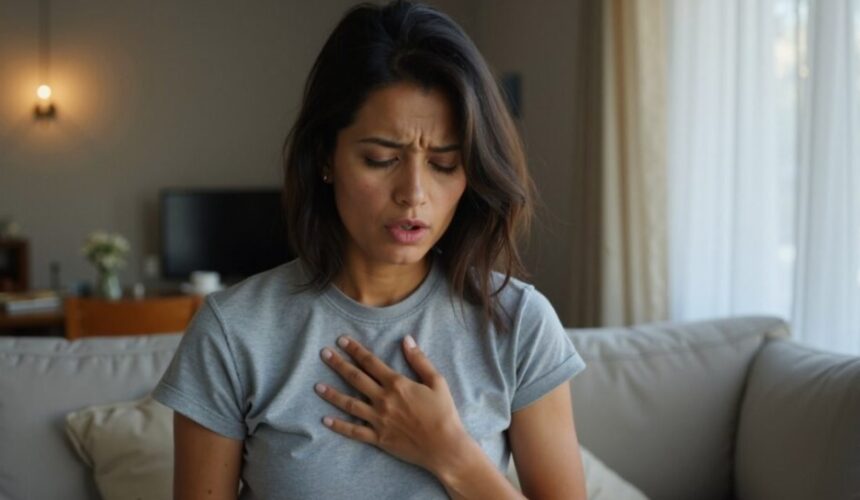
Panic Disorder Anxiety is a condition in which a person experiences repeated and unexpected episodes of intense fear, known as panic attacks. These episodes appear suddenly, often without any obvious external danger, and can feel overwhelming and frightening. A panic attack usually reaches its peak within a few minutes and may last anywhere from 10 to 30 minutes, leaving the person physically exhausted and emotionally shaken afterward.
During a panic attack, the body’s natural “fight-or-flight” response becomes activated even when there is no real threat. This causes the nervous system to release stress hormones like adrenaline, leading to physical reactions such as a rapid heartbeat, sweating, trembling, shortness of breath, chest tightness, dizziness, nausea, or tingling sensations in the body. Because these sensations are sudden and intense, many people believe they are having a heart attack, losing control, or dying — even though the body is not actually in danger.
Over time, individuals may begin to fear the panic attacks themselves. This fear can lead to constant worry about when the next attack will happen and avoidance of situations where an attack occurred before, such as crowded places, public transport, shopping malls, meetings, or even being alone. This avoidance can slowly limit daily activities and reduce quality of life, affecting work, studies, relationships, and emotional wellbeing.
Panic Disorder Across Age Groups
Panic disorder can affect people of all ages, including children, teenagers, adults, and senior citizens. In children, it may appear as sudden crying, fear of separation, stomach pain, or refusal to go to school. Teenagers often experience panic related to academic pressure, social situations, or performance expectations. Adults may face panic due to work stress, health worries, responsibilities, or trauma. Elderly individuals may experience panic related to health concerns, loneliness, or fear of physical decline.
Homeopathic Perspective
At HomeoRemedyHub, we view panic disorder not just as a mental condition, but as an imbalance between the mind, emotions, nervous system, and body. Homeopathy works on the principle of treating the person as a whole rather than focusing only on isolated symptoms. Each individual experiences anxiety differently — some feel intense fear, others feel restlessness, some become withdrawn, while others become irritable or overly sensitive. Homeopathic remedies are selected based on these unique emotional, mental, and physical patterns.
Homeopathy uses highly diluted natural substances that aim to gently stimulate the body’s own healing response. These remedies are non-sedative, non-addictive, and generally safe when used under professional guidance. Instead of suppressing symptoms, homeopathy seeks to address the underlying sensitivity and triggers that lead to panic attacks, helping to reduce their frequency, intensity, and emotional impact over time.
Along with remedies, recovery from panic disorder is supported by lifestyle balance and emotional care — including adequate sleep, healthy nutrition, gentle physical activity, breathing exercises, meditation, supportive counselling, and understanding from family members. When combined thoughtfully, these approaches help calm the nervous system, strengthen emotional resilience, and restore a sense of safety and control in daily life.
🌼With proper care, understanding, and holistic support, panic disorder is manageable, and individuals can return to a calm, confident, and fulfilling life.
Examples of Panic Disorder Anxiety
Example 1 — Sudden Panic Without Warning (Adult)
Situation:
Rohit is sitting at home watching TV in the evening. Suddenly, without any obvious reason, his heart starts racing. He feels tightness in his chest, dizziness, and a sudden fear that he is going to die. He rushes to the hospital thinking he is having a heart attack — but all medical tests are normal.
What this shows:
• Panic attack came suddenly
• Intense physical symptoms
• Fear of dying or losing control
• No real external danger
➡This is a classic example of panic disorder.
Example 2 — Panic in Public Places (Young Adult)
Situation:
Ananya had a panic attack once inside a crowded mall. Now every time she enters a shopping mall, cinema hall, or metro train, she feels anxious. Her heart beats fast, she feels trapped, and she wants to escape quickly.
What this shows:
• Fear linked to a place where panic happened before
• Avoidance behaviour
• Panic triggered by memory and anticipation
➡This can lead to panic disorder with agoraphobia.
Example 3 — Night-Time Panic (Senior Citizen)
Situation:
Mr. Sen wakes up suddenly at 2 AM with intense fear, sweating, fast heartbeat, and breathlessness. He feels something terrible is about to happen. After 15–20 minutes, it settles down.
What this shows:
• Panic attacks during sleep
• Fear without cause
• Physical symptoms dominate
➡This is called nocturnal panic attacks.
Example 4 — Exam-Related Panic (Teenager/Student)
Situation:
Before exams, Riya feels shaky, nauseous, and dizzy. Her mind goes blank, and she feels she will faint or lose control inside the exam hall. She sometimes cries and wants to run out.
What this shows:
• Panic triggered by performance stress
• Physical + emotional symptoms
• Fear of losing control
➡This can be panic disorder or severe anxiety with panic attacks.
Example 5 — Health Anxiety Panic (Adult)
Situation:
Whenever Amit feels a small pain or slight heartbeat change, he panics thinking he has a serious disease. He googles symptoms repeatedly and rushes to doctors often.
What this shows:
• Panic triggered by health fears
• Catastrophic thinking
• Repeated reassurance-seeking
➡ Panic disorder with health anxiety features.
Example 6 — Panic in Social Situations (Young Adult)
Situation:
Megha feels extreme fear before attending parties or speaking in meetings. Her hands shake, she feels breathless, and fears people are watching her panic.
What this shows:
• Panic triggered by social exposure
• Fear of embarrassment
• Physical panic symptoms
➡ Panic disorder with social anxiety overlap.
Example 7 — Panic After Trauma (Any Age)
Situation:
After a minor car accident, Raj starts getting panic attacks whenever he sits in a car. His heart races, he sweats, and feels he will lose control again.
What this shows:
• Panic linked to past trauma
• Fear memory re-triggered
• Avoidance behaviour
➡ Panic disorder with post-traumatic features.
🌼 Summary
Panic Disorder Anxiety may look like:
| Trigger Type | Example |
| Sudden | Panic while resting |
| Place-based | Panic in malls, trains |
| Time-based | Night panic |
| Performance-based | Exams, interviews |
| Health-based | Fear of illness |
| Social | Parties, meetings |
| Trauma-linked | After accidents or shocks |
Understanding Panic Disorder Anxiety
Panic attacks typically come on suddenly without warning and may be triggered by stress, trauma, health concerns, social situations, or sometimes no identifiable cause. People often feel:
• A sudden wave of fear or terror
• Racing heart, trembling, or shaking
• Difficulty breathing or chest tightness
• Fear of dying or losing control
• Sense of impending doom
• Desire to escape the situation immediately
Panic disorder can coexist with other anxiety conditions, affecting quality of life, daily functioning, sleep, and emotional wellbeing.
🌿 Signs and Symptoms of Panic Disorder Anxiety
Panic Disorder Anxiety is characterized by sudden episodes of intense fear or discomfort, called panic attacks, which appear without warning and reach a peak within minutes.
These attacks involve both physical (body) and psychological (mind) symptoms.
🔹1. Emotional & Mental Symptoms
These are the feelings and thoughts during a panic attack:
• Sudden intense fear or terror
• Feeling that something terrible is about to happen
• Fear of dying
• Fear of losing control or “going crazy”
• Feeling detached from reality or self (derealisation /depersonalization)
• Feeling trapped and wanting to escape
• Fear of fainting or collapsing
🔹2. Physical (Body) Symptoms
These are the most noticeable and frightening:
• Rapid or pounding heartbeat (palpitations)
• Chest pain or chest tightness
• Shortness of breath or feeling smothered
• Sweating or chills
• Trembling or shaking
• Dizziness, light-headedness, or faint feeling
• Nausea or stomach upset
• Tingling or numbness in hands, feet, or face
• Hot flashes or sudden cold sensations
• Dry mouth or throat tightness
🔹3. Behavioural Symptoms
These affect daily life over time:
• Avoiding places where panic happened before (malls, buses, crowds)
• Avoiding being alone
• Constantly seeking reassurance from others or doctors
• Carrying medicines or water “just in case”
• Repeatedly checking pulse, breathing, or blood pressure
• Leaving situations suddenly due to fear
🔹4. After-Attack Symptoms
Even after a panic attack ends, people may experience:
• Extreme tiredness or weakness
• Muscle soreness or heaviness
• Emotional exhaustion
• Fear of having another attack
• Increased sensitivity to body sensations
🌼 Common Pattern of a Panic Attack
- Sudden onset of fear
- Rapid physical symptoms appear
- Peak within 10–20 minutes
- Gradually settle down
- Leaves behind tiredness and worry
🚩 When Panic Disorder Is Suspected
Panic disorder may be present if:
• Panic attacks occur repeatedly and unexpectedly
• There is constant fear of having another attack
• Daily life is restricted because of fear or avoidance
• Medical tests are normal, but symptoms persist
Homeopathic Medicines & Their Effects
Homeopathic remedies are chosen based on symptom patterns — including emotional triggers, thought patterns, and physical sensations. Below are commonly used remedies in panic and anxiety states with their typical uses:
| Medicine Name | Children (5–12 yrs) | Teenagers (13–18 yrs) | Adults (19–60 yrs) | Senior Citizens (60+ yrs) | Main Anxiety Pattern |
| Aconitum Napellus | ✅ Yes | ✅ Yes | ✅ Yes | ✅ Yes | Sudden panic, fear of death, shock, fright |
| Argentum Nitricum | ⚠️ Limited | ✅ Yes | ✅ Yes | ⚠️ Limited | Anticipatory anxiety, exam fear, travel fear |
| Arsenicum Album | ⚠️ Limited | ✅ Yes | ✅ Yes | ✅ Yes | Health anxiety, restlessness, night fear |
| GelsemiumSempervirens | ⚠️ Limited | ✅ Yes | ✅ Yes | ⚠️ Limited | Performance fear, stage fright, weakness |
| Kali Arsenicosum | ❌ Rare | ⚠️ Limited | ✅ Yes | ✅ Yes | Stress-overload, chronic anxiety, night panic |
| Lycopodium | ⚠️ Limited | ✅ Yes | ✅ Yes | ⚠️ Limited | Low confidence, social anxiety, digestive link |
Legend
• ✅Yes — Commonly suitable for this age group (under professional guidance)
• ⚠️ Limited — Used carefully depending on symptoms and constitution
• ❌Rare — Not commonly used for this age group
Remedy Profiles
1. Aconitum Napellus
Best for: Sudden panic, terror, and fear of death
Typical symptoms: Panic strikes suddenly, fear without clear reason, restlessness, heart palpitations, dry mouth, trembling, fear in crowded place.
Effect: Helps calm acute onset panic — especially when anxiety follows shock or frightening news.
Age Considerations:
• Children/Teens: Useful for panic with fear after unexpected scares.
• Adults: Best for first‐time or unusual panic episodes.
• Elderly: Gentle calming effect for sudden anxiety.
Common potency: 30C during episodes.
2. Argentum Nitricum
Best for: Anticipatory anxiety and performance fear
Typical symptoms: Nervousness before exams, travel, or events; diarrhoea from anxiety; overthinking “what if” thoughts; impulsive feelings, apprehensive anxiety.
Effect: Addresses fear of future uncertainty and nervous guilt.
Age Considerations:
• Young Adults/Students: Helpful before tests, interviews.
• Adults: Good for event or travel-related fear.
• Older Adults: Anxiety about health visits or changes.
Common potency: 30C twice daily.
3. Arsenicum Album
Best for: Anxiety about health and safety
Typical symptoms: Restlessness, fear of illness, fear of being alone at night, fear he ll die, meticulous worry about details.
Effect: Supports people with health-related anxiety and insecurity.
Age Considerations:
• Children: Night fear and insecurity in unfamiliar surroundings.
• Adults: Generalised worry about health or future.
• Seniors: Anxiety about medical check-ups or physical decline.
Common potency: 30C once or twice daily.
4. GelsemiumSempervirens
Best for: Fear with weakness, shaking or performance anxiety
Typical symptoms: Trembling, dizziness, mental dullness, lack of confidence before events or social situations, stage fright and desire to be quiet, to be let alone.
Effect: Calms anticipatory fear that causes paralysis or dread.
Age Considerations: Particularly helpful for students before exams and adults facing performance challenges.
Common potency: 30C before stressful situations.
5. Kali Arsenicosum
Best for: Stress overload and health-related panic
Typical symptoms: Panicky thoughts about heart issues or health; restlessness; night anxiety.
Effect: Assists those overwhelmed by stress with physical symptoms, especially nocturnal panic.
Age Considerations: Can be supportive for adults under chronic stress and older adults with health anxiety.
6. Lycopodium
Best for: Lack of confidence with anxiety
Typical symptoms: Anxiety in social situations, fear of public speaking; lack of confidence may have digestive symptoms.
Effect: Supports emotional and physical resilience.
Age Considerations: Useful across ages with confidence-related fears.
How These Remedies Work
Homeopathic medicines are highly diluted natural substances selected for symptom similarity. They are non-sedative and generally safe when used as directed. Unlike conventional anti-anxiety drugs, they are not known to cause dependency.
Please Note: The scientific evidence for homeopathy’s effectiveness in panic disorders varies, and it should complement — not replace — professional medical care, especially in severe cases. Speak to a qualified homeopathic practitioner for personalised prescriptions and dosing.
Age-Wise Safety Tips
• Children & Teens: Use gentle potencies (e.g., 6C–30C). Focus also on emotional support and routine.
• Adults: Remedies can be tailored to specific triggers and stressors; integration with stress-management practices (breathing, mindfulness) often helps.
• Seniors: Adjust doses carefully and monitor any interactions with existing health conditions. A practitioner should guide remedy selection.
Combination Approach for Best Results
Homeopathic treatment often works best when combined with:
• Lifestyle changes: good sleep, balanced diet, regular exercise
• Stress reduction: meditation, yoga, deep breathing
• Therapy: gentle counselling or cognitive-behavioural techniques
Always consult a healthcare provider before stopping or replacing any prescribed medications.