
By Homeoremedyhub.com
1. Introduction
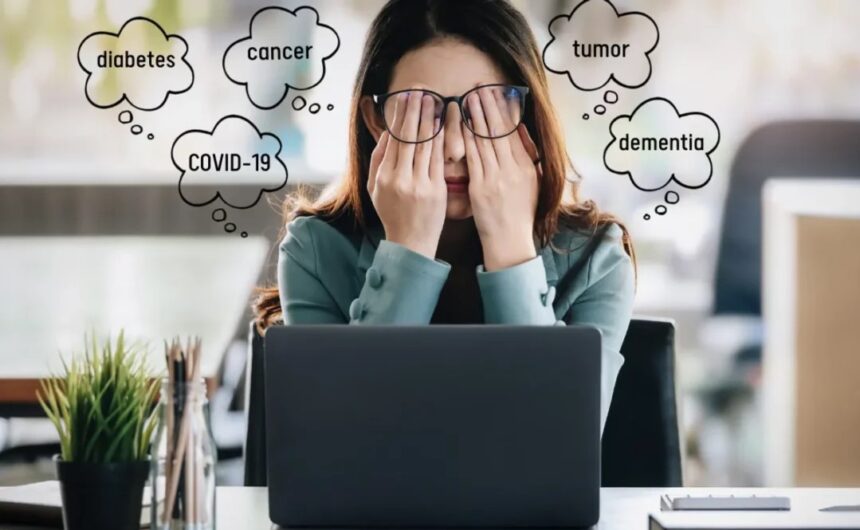
Health Anxiety, also known as Illness Anxiety Disorder, is a mental health condition where an individual is excessively preoccupied with the fear of having a serious illness. Even minor bodily sensations like a headache or mild fatigue can trigger worry, causing significant stress and impacting daily life. Unlike normal concern for health, health anxiety becomes overwhelming, persistent, and irrational, often leading to repeated doctor visits, unnecessary medical tests, and emotional exhaustion.
2. Some Examples of Health Anxiety
2.1 Constantly Checking Your Body for Signs of Disease
People with health anxiety often engage in repeated self-examinations. They may frequently check their skin for lumps, listen to their heartbeat, monitor breathing patterns, or examine minor rashes or pains. Even small, normal bodily sensations—like a mild headache, slight fatigue, or a twinge in the stomach—can trigger intense worry. Over time, this hyper-vigilance can interfere with daily routines and cause physical stress, as the body responds to anxiety with increased heart rate, tension, or fatigue.
2.2 Worrying That a Minor Headache Could Indicate a Brain Tumour
Health anxiety causes individuals to catastrophize minor symptoms, imagining the worst-case scenario. A simple headache, a fleeting dizziness, or a mild cough may be interpreted as a sign of a severe disease like a brain tumor, heart disease, or cancer. This fear persists even when medical tests are normal, leading to repeated doctor visits and unnecessary medical procedures.
2.3 Fear of Contracting Serious Diseases Despite Medical Reassurance
Even after receiving clear medical confirmation that they are healthy, individuals with health anxiety may struggle to trust the results. They may continue to fear serious illnesses such as cancer, diabetes, or infections, and this persistent worry can heighten stress and interfere with work, sleep, and personal life. This constant fear is emotionally exhausting and can create a cycle of anxiety that is hard to break.
2.4 Frequent Internet Searches About Symptoms (“Cyberchondria”)
Many people turn to the internet to research symptoms, but for someone with health anxiety, this can worsen the problem. Searching for symptoms online often leads to alarming, exaggerated, or rare disease explanations, increasing panic and fear. This pattern, known as cyberchondria, creates a feedback loop where anxiety fuels online searching, which then fuels more anxiety.
2.5 Avoiding Social Interactions or Public Spaces
Health anxiety can lead to avoidance behaviors. Individuals may limit outings, social gatherings, travel, or even work environments due to fear of germs, contamination, or exposure to illness. Over time, this avoidance can create isolation, reduce social support, and increase feelings of loneliness and depression.
3. What is Health Anxiety (Illness Anxiety Disorder)? – Detailed Explanation
Health Anxiety, also called Illness Anxiety Disorder, is a mental health condition where an individual’s mind becomes preoccupied with the fear of having or developing a serious illness. Unlike occasional worry about health—which is normal—people with health anxiety experience persistent and excessive fear that interferes with daily life.
Key Features of Health Anxiety
3.1 Misinterpretation of Normal Bodily Sensations
- People with health anxiety often notice ordinary bodily sensations—like a mild headache, slight stomach discomfort, or fatigue—and interpret them as signs of a serious disease.
- For example, a normal muscle twitch may be feared as a symptom of a neurological disorder. This constant misinterpretation creates a cycle of worry and stress.
3.2 Difference from Traditional Hypochondria
- While hypochondria historically referred to individuals convinced they were sick, modern health anxiety focuses more on excessive worry rather than certainty of illness.
- In other words, the person may know logically that they are healthy, but the fear of illness still dominates their thoughts.
3.3 Chronic Nature of the Disorder
- Health anxiety is not a passing phase; it can persist for months or even years if left unaddressed.
- The worry may shift between different health concerns over time, but the pattern of anxiety remains consistent.
3.4 Impact Across Ages
- This disorder can affect children, teenagers, adults, and seniors.
- In children, it may show as frequent complaints about headaches, stomachaches, or fear of school due to illness.
- In adults, it can manifest as constant self-checking, repeated doctor visits, or overuse of online medical information.
3.5 Physical and Emotional Symptoms
- Health anxiety is not only a mental issue; it also produces physical symptoms due to stress, such as: rapid heartbeat, dizziness, shortness of breath, digestive upset, or muscle tension.
- Emotionally, it causes persistent fear, irritability, low mood, and difficulty focusing on work or studies.
3.6 Vicious Cycle of Anxiety
- The more a person worries about health, the more they notice bodily sensations, which then reinforces the fear.
- Attempts to seek reassurance through medical tests, online searches, or asking others may provide temporary relief but often strengthen the anxiety in the long term.
4. Common Symptoms
- Excessive worry about having or getting a serious illness.
- Frequent self-examinations of the body.
- Avoiding medical appointments due to fear of diagnosis.
- Repeatedly seeking reassurance from family, friends, or doctors.
- Difficulty concentrating due to health-related thoughts.
- Physical symptoms like headaches, stomachaches, palpitations, or fatigue caused by anxiety itself.
5. How Health Anxiety (Illness Anxiety Disorder) Affects Daily Life
Health Anxiety is not just occasional worrying—it is a persistent, consuming fear that can interfere with almost every aspect of daily life. Its effects are both emotional and practical, often creating a vicious cycle where anxiety fuels further worry and avoidance.
5.1 Reduced Productivity at Work or School
- People with health anxiety may struggle to concentrate, as their mind is preoccupied with fears about illness.
- Tasks that require focus, decision-making, or creativity may take longer or be completed less effectively.
- For students, fear of illness may result in frequent absences, incomplete assignments, or poor academic performance.
- Example: An adult might spend hours searching online for symptoms instead of completing work tasks, which increases stress and reduces efficiency.
5.2 Strained Relationships from Reassurance-Seeking
- Individuals often seek constant reassurance from family, friends, or doctors about their health.
- While reassurance provides temporary relief, repeated questioning can strain relationships. Loved ones may feel frustrated, exhausted, or helpless.
- Example: A parent constantly asks their spouse or children if minor headaches or coughs are serious, creating tension and conflict at home.
5.3 Social Withdrawal and Avoidance of Public Spaces
- Fear of catching illnesses or experiencing symptoms in public can lead to avoiding social events, public places, or travel.
- Over time, this can result in isolation, reduced social support, and loneliness.
- Example: A person may skip office meetings, family gatherings, or even grocery shopping due to fear of illness, leading to missed opportunities and strained social connections.
5.4 Sleep Disturbances
- Persistent worry about health can make it difficult to fall asleep or stay asleep.
- Night time rumination (“What if this headache is serious?”) can trigger insomnia, restlessness, or frequent waking.
- Poor sleep further increases anxiety, reduces energy, and affects cognitive functioning the next day, creating a cycle of fatigue and worry.
5.5 Emotional Exhaustion and Low Mood
- Constant fear and vigilance can lead to emotional burnout.
- Individuals may experience irritability, sadness, or low motivation, sometimes developing secondary depression.
- Example: Someone constantly worried about minor aches may feel overwhelmed and exhausted, withdrawing from hobbies, exercise, or work-related tasks.
5.6 Physical Health Implications
- Ironically, chronic anxiety can cause physical symptoms like headaches, digestive issues, muscle tension, or heart palpitations.
- These physical effects are often misinterpreted as signs of serious illness, further reinforcing health anxiety.
5.7 Impact on Lifestyle Choices
- Individuals may adopt extreme measures to “stay healthy,” such as over-sanitizing, over-exercising, strict dieting, or frequent medical testing.
- While intended to reduce risk, these behaviours can increase stress and reduce overall quality of life.
6. Why Does Health Anxiety (Illness Anxiety Disorder) Develop?
Health Anxiety is not caused by a single factor. It usually develops due to a complex interplay of psychological, environmental, and biological influences. Understanding these triggers can help individuals and caregivers manage and reduce the disorder naturally.
6.1 Psychological Factors
- Catastrophic Thinking: Individuals with health anxiety tend to assume the worst-case scenario. For example, a simple headache might immediately be feared as a symptom of a brain tumor. This pattern of “catastrophizing” amplifies anxiety.
- Perfectionism and High Standards: People who expect themselves to always be “perfectly healthy” or in control of their bodies may be more prone to anxiety when they feel even slightly unwell.
- Low Tolerance for Uncertainty: Some individuals struggle with uncertainty and feel compelled to find absolute answers about their health. The inability to tolerate even minor ambiguity can fuel persistent worry.
- Past Experiences of Illness or Trauma: Experiencing a serious illness personally or in a close family member can leave a lasting impression, increasing vigilance and fear of symptoms.
6.2 Environmental Factors
- Parental Influence: Overprotective or anxious parents can unintentionally instill health fears in children. Constant warnings about germs or repeated checking of minor symptoms can normalize anxiety.
- Exposure to Media: News reports, social media, or documentaries focusing on diseases can create heightened fear, especially in those prone to worry.
- Stressful Life Events: Events such as illness in the family, job loss, or major life transitions can trigger anxiety, making one hyper-focused on health as a source of control.
- Medical Experiences: Hospitalization, surgeries, or severe illness in childhood can leave lasting psychological imprints, increasing the likelihood of developing health anxiety later in life.
6.3 Biological Factors
- Genetic Predisposition: Studies suggest that anxiety disorders, including health anxiety, may run in families, indicating a potential genetic link.
- Neurochemical Imbalances: Dysregulation of neurotransmitters like serotonin or dopamine can increase vulnerability to anxiety.
- Sensitivity to Bodily Sensations: Some people naturally notice small physical sensations more acutely, which can trigger worry if interpreted as dangerous.
6.4 The Interaction of Factors
Health anxiety often emerges when psychological tendencies, environmental triggers, and biological vulnerabilities converge:
- A child with a naturally anxious temperament (biological factor) raised by overprotective parents (environmental factor) may develop a habit of obsessing over health symptoms (psychological factor).
- In adults, chronic stress at work (environmental) combined with perfectionist tendencies (psychological) and sensitivity to physical symptoms (biological) can fuel persistent fear of illness.
7. The Combined Effect
When psychological and environmental factors interact, they reinforce health anxiety. For example, a child with a naturally anxious temperament who sees a parent obsess over symptoms may develop intense fears about health, which persist into adulthood.
8. Natural & Holistic Approach to Healing
- Mindfulness practices like meditation and breathing exercises.
- Regular physical activity to reduce stress hormone levels.
- Balanced nutrition to support overall mental health.
- Cognitive-behavioural strategies to reduce catastrophic thinking.
- Homeopathy, which gently balances emotional and physical states without side effects.
9. Homeopathic Remedies for Health Anxiety
Homeopathy provides individualized remedies for anxiety, addressing both emotional patterns and physical symptoms:
- Aconitum napellus: Sudden anxiety, fear of death, panic after shocking news.
- Arsenicum album: Restless, perfectionist, health-conscious, fears illness and contamination.
- Gelsemium sempervirens: Weakness, trembling, anticipatory anxiety before doctor visits.
- Pulsatilla: Sensitive, dependent, fears rejection or illness, seeks reassurance.
- Calcarea carbonica: Anxiety with fatigue, worries excessively about long-term health.
- Silicea: Timid, low confidence, fear of exposure to illness, nervous anticipation.
10. Age-Wise Medicines Chart
| Medicine | Children (5–12 yrs) | Teenagers (13–19 yrs) | Adults (20–50 yrs) | Seniors (50+ yrs) | Key Focus |
|---|---|---|---|---|---|
| Aconitum napellus | ❌ | ✅ | ✅ | ✅ | Sudden anxiety, fear of death, panic after shocking news |
| Arsenicum album | ❌ | ✅ | ✅ | ✅ | Restless, perfectionist, health-conscious, fears illness and contamination |
| Gelsemium sempervirens | ❌ | ✅ | ✅ | ❌ | Weakness, trembling, anticipatory anxiety before doctor visits |
| Pulsatilla | ✅ | ✅ | ❌ | ❌ | Sensitive, dependent, fears rejection or illness, seeks reassurance |
| Calcarea carbonica | ✅ | ✅ | ✅ | ✅ | Anxiety with fatigue, worries excessively about long-term health |
| Silicea | ✅ | ✅ | ✅ | ✅ | Timid, low confidence, fear of exposure to illness, nervous anticipation |
Legend:
- ✅ = Suitable / Recommended for this age group
- ❌ = Not generally recommended for this age group
11. Detailed Description of Medicines
11.1 Aconitum napellus
Description & Medical Effects:
- Sudden, intense fear of death or illness, often after shocking or traumatic events.
- Symptoms include restlessness, agitation, panic, and nightmares.
- Useful for acute anxiety episodes or panic attacks.
Age-wise Use for Health Anxiety:
- Children: ❌ – Too strong for most children unless under professional guidance.
- Teenagers: ✅ – Helps sudden panic before exams or shocking news.
- Adults: ✅ – Effective for acute anxiety or panic triggered by trauma.
- Seniors: ✅ – Useful for sudden panic or fear of serious illness.
Other Conditions Treated:
- Acute fevers or chills.
- Panic attacks.
- Sudden trauma or shock-related distress.
11.2 Arsenicum album
Description & Medical Effects:
- Persistent health anxiety with restlessness and perfectionism.
- Individuals worry constantly about illness, contamination, and their own or others’ health.
- fear of death; thinks it useless to take medicine, that illness is incurable,
- Symptoms may include digestive upset, weakness, and compulsive checking behaviours.
Age-wise Use for Health Anxiety:
- Children: ❌ – Usually not required unless extreme restlessness and fear.
- Teenagers: ✅ – Helps obsessive worrying about health, exams, or hygiene.
- Adults: ✅ – Ideal for perfectionists, workaholics, or constant reassurance seekers.
- Seniors: ✅ – Useful for chronic health fears and digestive complaints.
Other Conditions Treated:
- Digestive issues (diarrhoea, vomiting).
- Skin eruptions from anxiety.
- Chronic fatigue linked to worry.
11.3 Gelsemium sempervirens
Description & Medical Effects:
- Anxiety characterized by trembling, weakness, anticipatory fear, especially before stressful events (doctor visits, exams, public events).
- Causes lethargy, heaviness, and lack of confidence.
Age-wise Use for Health Anxiety:
- Children: ❌ – Rarely needed; only under supervision.
- Teenagers: ✅ – Great for exam-related anxiety or social stress.
- Adults: ✅ – Useful for anticipatory anxiety or performance-related fear.
- Seniors: ❌ – Usually avoided unless anxiety manifests with trembling or weakness.
Other Conditions Treated:
- Stage fright, pre-performance anxiety.
- Flu-like weakness or fatigue.
- Trembling and nervous exhaustion.
11.4 Pulsatilla
Description & Medical Effects:
- Sensitive, emotional, clingy, and dependent.
- Fears being alone or rejected, constantly seeks reassurance.
- Symptoms: crying easily, mood swings, fear of illness when alone.
- Fears in evening to be alone, dark, ghost, likes sympathy.
Age-wise Use for Health Anxiety:
- Children: ✅ – Perfect for clingy, reassurance-seeking children.
- Teenagers: ✅ – For emotionally sensitive teens, especially girls.
- Adults: ❌ – Usually less indicated unless emotional dependency is high.
- Seniors: ❌ – Rarely used unless strong fear of abandonment.
Other Conditions Treated:
- Emotional imbalances (mood swings, grief).
- Menstrual disorders (PMS, delayed periods).
- Cold, sinus, and mild digestive complaints linked to stress.
11.5 Calcarea carbonica
Description & Medical Effects:
- Slow, cautious, and anxious about long-term health and security.
- Anxiety of health of family.
- Symptoms: fatigue, worry, desire for routine, digestive sensitivity.
- Often seen in those prone to worry and physical weakness.
Age-wise Use for Health Anxiety:
- Children: ✅ – For cautious, slow-moving children who worry excessively.
- Teenagers: ✅ – Helpful for anxious teens, especially about exams or health.
- Adults: ✅ – For chronic anxiety, work stress, and long-term health fears.
- Seniors: ✅ – Ideal for fatigue, worry, and cautious behavior.
Other Conditions Treated:
- Digestive problems (constipation, bloating).
- Bone and joint weakness.
- Chronic fatigue and slow recovery from illness.
11.6 Silicea
Description & Medical Effects:
- Timid, shy, and anxious about future health.
- Symptoms: low confidence, fear of exposure to illness, nervous anticipation, slow decision-making.
Age-wise Use for Health Anxiety:
- Children: ✅ – For shy, sensitive, easily frightened children.
- Teenagers: ✅ – Helps teens with social anxiety, fear of exposure.
- Adults: ✅ – Useful for anxious adults with low confidence or anticipatory fear.
- Seniors: ✅ – For older adults who worry about health and have low energy.
Other Conditions Treated:
- Weak immunity or slow healing wounds.
- Chronic infections or susceptibility to colds and flu.
- Nail, hair, or skin weakness linked to anxiety or low vitality.
12. Age-Wise Safety Tips
- Children: Keep a consistent routine, provide reassurance, avoid frightening medical conversations.
- Teenagers: Encourage open dialogue, mindfulness exercises, limit health-related internet searches.
- Adults: Practice stress management, cognitive reframing, balanced lifestyle, regular checkups without obsession.
- Seniors: Gentle reassurance, regular mild exercise, social engagement, avoid constant self-monitoring.
13. General Tips for All Ages
- Limit excessive online symptom searches.
- Maintain a balanced diet and regular sleep schedule.
- Engage in hobbies and social activities to reduce rumination.
- Use relaxation techniques such as yoga, meditation, or deep breathing.
- Seek professional help if anxiety persists or disrupts daily life.
14. How Homeopathic Remedies Work for Health Anxiety
Homeopathic remedies work by gently stimulating the body’s natural healing mechanisms. They focus on:
- Balancing emotional overreactions.
- Reducing persistent fear and worry.
- Supporting physical and mental resilience.
- Providing individualized treatment tailored to the patient’s temperament and symptoms.
Unlike conventional medication, homeopathy does not sedate or suppress emotions but promotes holistic healing, improving overall quality of life.
15. Combination Approach for Best Results
For optimal outcomes, combine:
- Homeopathic treatment for emotional balance.
- Mindfulness and relaxation practices to reduce daily stress.
- Cognitive-behavioral strategies to address irrational fears.
- Supportive social and family environment.
This integrated approach addresses both the mind and body, ensuring long-term relief from health anxiety.
16. Summary
Health Anxiety (Illness Anxiety Disorder) is a condition of persistent, irrational fear of illness. While it can impact daily life, holistic approaches like homeopathy, lifestyle changes, mindfulness, and supportive strategies provide effective relief. By addressing emotional patterns, psychological factors, and environmental triggers, homeopathic remedies help individuals regain calm, confidence, and a balanced perspective on health. Early intervention, age-appropriate guidance, and a combination of natural strategies can significantly improve well-being and reduce the burden of anxiety.