

By Homeoremedyhub.com
Introduction
Generalized Anxiety Disorder (commonly known as GAD) is a chronic mental health condition where a person experiences persistent and excessive worry about everyday things — such as health, finances, family, work or school — even when there is little or no real reason to worry. It is different from normal stress because the worry is continuous, difficult to control, and lasts for months or even years.
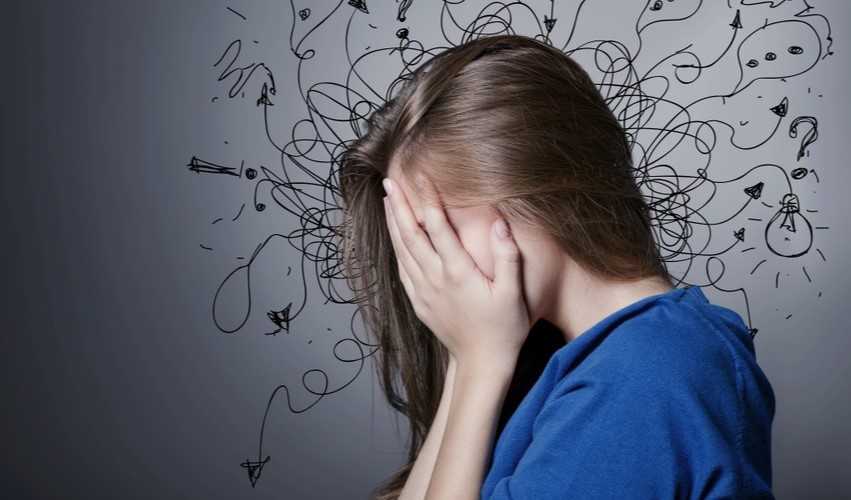
People with GAD often describe their mind as being “always on,” constantly scanning for problems, dangers, or things that could go wrong. Even when one worry is resolved, another quickly takes its place. This ongoing mental tension can feel exhausting and overwhelming.
How GAD Affects You
Living with GAD can affect both the mind and the body.
Emotional Effects
Emotionally, a person may feel:
- Constantly nervous or uneasy
- Unable to relax, even during rest
- Irritable or easily frustrated
- Fearful about the future without knowing exactly why
Physical Effects
Physically, anxiety can show up as:
- Muscle tightness, especially in the neck, shoulders, or jaw
- Headaches or body aches
- Fatigue or feeling drained
- Digestive discomfort, nausea, or bloating
- Rapid heartbeat or shortness of breath
Over time, this constant state of alertness can interfere with sleep, concentration, productivity, and relationships. Many people with GAD appear “fine” on the outside but feel overwhelmed inside.
Real-Life Examples of GAD
Here are some simple examples to help understand how GAD may appear in everyday life:
Example 1 — Health Worry:
Rita feels anxious every day about her health. Even when her medical reports are normal, she worries that something serious might be wrong. A small headache makes her fear a brain problem, or mild stomach pain makes her think of a serious illness.
Example 2 — Family Safety Worry:
Amit constantly worries about his children’s safety. When they go to school or play outside, his mind fills with “what if” thoughts — accidents, illness, or danger — even when there is no sign of risk.
Example 3 — Financial Worry:
Meena has a stable income and savings, yet she worries daily about losing money, unexpected expenses, or future financial problems. Even small purchases make her anxious.
Example 4 — Work & Performance Anxiety:
Rahul repeatedly worries about his job performance. Even when his manager praises him, he fears making mistakes, being judged, or losing his job.
Example 5 — Constant Overthinking:
Suman replays conversations in her mind, worrying whether she said the wrong thing or offended someone. She overthinks decisions, even simple ones like choosing food or sending a message.
In all these cases, the worry is excessive, ongoing, and difficult to control, and it causes emotional distress or interferes with daily life — which are key features of GAD.
Signs & Symptoms of GAD
Common symptoms that may indicate GAD include:
- Persistent worry about everyday matters
- Feeling restless, keyed up, or unable to relax
- Trouble concentrating or your mind going blank
- Sleep problems (difficulty falling or staying asleep)
- Fatigue or feeling tired easily
- Muscle tension, headaches
- Irritability
- Increased heart rate, sweating or shortness of breath
If these symptoms occur most days for six months or longer, it’s important to consult a healthcare professional for a proper diagnosis.
Treatment Overview — What Works for GAD
1. Conventional Medical Treatment
Health professionals typically recommend a combination of therapy and medicines for lasting improvement:
Psychotherapy (Talk Therapy)
🧠 Cognitive Behavioral Therapy (CBT) — A Gentle Training for the Mind
Cognitive Behavioral Therapy (CBT) is one of the most effective and widely recommended treatments for Generalized Anxiety Disorder. It is a structured, practical form of therapy that helps a person understand the connection between their thoughts, emotions, physical sensations, and behaviors.
In GAD, the mind often develops automatic patterns of worrying — such as expecting the worst, overestimating danger, or underestimating one’s ability to cope. CBT does not try to “stop” thoughts, but instead teaches you how to observe them, question them, and gradually change the way you respond to them.
Rather than focusing only on the past, CBT mainly focuses on the present — how your mind works right now — and how to build healthier thinking and coping habits for the future.
What CBT Helps You Learn
CBT helps people with anxiety to:
- Recognize unhelpful thought patterns like:
- “Something bad will definitely happen.”
- “I won’t be able to handle this.”
- “I must control everything or something will go wrong.”
- Learn to gently challenge these thoughts by asking:
- Is this thought a fact or a fear?
- What is the real evidence?
- What is a more balanced or realistic way to see this?
- Reduce physical anxiety symptoms by learning:
- Relaxation techniques
- Slow breathing and grounding exercises
- Muscle relaxation
- Change avoidant behaviors that keep anxiety alive, such as:
- Avoiding situations out of fear
- Constant reassurance-seeking
- Overchecking or overplanning
A Simple Example of CBT in Action
Situation:
A person thinks: “If I make a mistake at work, I will lose my job.”
CBT helps them to:
- Notice the thought (instead of automatically believing it)
- Ask: “Is this always true?” “Have I made mistakes before and survived?”
- Replace it with a more balanced thought:
“Mistakes are normal. I can fix them and learn from them.”
Over time, this reduces emotional distress and builds confidence.
Why CBT Works Well for GAD
CBT is effective because it:
- Gives practical tools instead of just advice
- Helps you become your own emotional guide
- Builds long-term resilience, not just temporary relief
- Empowers you to handle worry rather than fear it
Many people notice improvement within a few weeks, especially when CBT is practiced consistently with guidance from a trained therapist.
Medicines Used for GAD
These are prescribed based on age, symptoms, severity, and general health. It’s essential to consult a clinician before starting any medication:
2. Homeopathic Remedies (Tailored Use)
Homeopathy is individualized; practitioners choose remedies based on specific emotional and physical symptoms. Some commonly discussed options include:
Commonly Considered Homeopathic Remedies:
- Aconitum napellus – sudden fear / panic feelings
- Argentum nitricum – anticipatory anxiety & performance nerves
- Arsenicum album – anxiety with restlessness and worry about health
- Calcareacarbonica – anxiety from being overwhelmed
- Kali phosphoricum – anxiety with fatigue and stress
- Lycopodium – self-confidence anxiety / worry about performance
Remedy Suitability Table
| Remedy | Best Suited Anxiety Pattern | Children | Teenagers | Adults | Seniors |
|---|---|---|---|---|---|
| Aconitum napellus | Sudden fear, panic after shock, Anxiety with restlessness | ✔️ | ✔️ | ✔️ | ✔️ |
| Argentum nitricum | Anticipatory anxiety, exam/performance nerves | ✔️ | ✔️ | ✔️ | ⚠️ (less common) |
| Arsenicum album | Restless anxiety, health worry, insecurity | ⚠️ | ✔️ | ✔️ | ✔️ |
| Calcareacarbonica | Overwhelmed anxiety, insecurity, responsibility stress | ✔️ | ✔️ | ✔️ | ✔️ |
| Kali phosphoricum | Mental fatigue, stress, burnout | ⚠️ | ✔️ | ✔️ | ✔️ |
| Lycopodium | Low self-confidence, performance fear | ⚠️ | ✔️ | ✔️ | ⚠️ |
Legend:
- ✔️ = Commonly used / suitable under guidance
- ⚠️ = May be used in select cases with professional supervision
Interpretation by Age
Children (up to 12 yrs)
Most often seen remedies:
- Aconitum napellus – sudden fear after fright, nightmares
- Calcarea carbonica – anxiety in sensitive or easily overwhelmed children
- Argentum nitricum – exam fear, stage fright, nervous anticipation
Less common:
- Arsenicum album, Kali phosphoricum, Lycopodium — used selectively.
Teenagers (13–19 yrs)
Commonly indicated:
- Argentum nitricum – exam stress, performance pressure
- Lycopodium – fear of failure, social confidence issues
- Kali phosphoricum – mental fatigue, academic burnout
- Calcareacarbonica – overwhelmed by expectations
Adults (20–60 yrs)
Most frequently used:
- Arsenicum album – health anxiety, restlessness
- Kali phosphoricum – work stress, burnout
- Lycopodium – leadership or performance anxiety
- Calcarea carbonica – responsibility overload
Seniors (60+ yrs)
More common:
- Arsenicum album – insecurity, fear about health or future
- Calcareacarbonica – anxiety with weakness or fatigue
- Kali phosphoricum – mental tiredness
Less common:
- Argentum nitricum and Lycopodium (performance-based anxiety is less prominent).
👉 Homeopathy is best used with a qualified practitioner because treatment is individualized. Scientific evidence on homeopathy’s effectiveness in GAD is limited, and results vary.
Homeopathic Medicines Commonly Used for Anxiety
Homeopathic remedies are selected based on the individual’s emotional state, physical tendencies, and triggers — not just the diagnosis. The descriptions below are for educational purposes and should be used under guidance of a qualified practitioner.
1. Aconitum napellus
Best suited for: Sudden, intense fear or panic
Emotional pattern:
- Sudden onset of anxiety after a shock, fright, or traumatic event
- Fear of death, accidents, or something terrible happening
- Restlessness, agitation, inability to sit still
- Afraid to go out, to go into a crowd
Physical signs:
- Rapid heartbeat
- Sweating
- Dry mouth
- Feeling hot or flushed
Typical trigger:
Anxiety that starts suddenly after an emotional or physical shock.
Commonly used when: Panic attacks appear suddenly and intensely.
2. Argentum nitricum
Best suited for: Anticipatory anxiety and performance stress
Emotional pattern:
- Anxiety before events (exams, presentations, interviews, travel)
- Fear of failure or being judged
- Impulsive thoughts with nervous excitement
- Always hurried, anxious and irritable
Physical signs:
- Digestive upset (diarrhea before stressful events)
- Trembling
- Dizziness
- Palpitations
Typical trigger:
Upcoming responsibility, deadlines, or public performance.
Commonly used when: Anxiety increases before important events.
3. Arsenicum album
Best suited for: Anxiety with restlessness and health-related worry
Emotional pattern:
- Excessive worry about health, safety, or future
- Fear of being alone or insecure
- Constant mental restlessness but physical to weak to move
- Attacks of anxiety at night driving out of bed
Physical signs:
- Weakness
- Digestive disturbances
- Chilly, feels cold easily
- Wants warmth and reassurance
Typical trigger:
Fear about illness, finances, or losing control.
Commonly used when: Anxiety is paired with constant worrying and restlessness.
4. Calcarea carbonica
Best suited for: Anxiety from feeling overwhelmed or insecure
Emotional pattern:
- Fear of failure, responsibility, or change
- Feels easily overwhelmed
- Low confidence under pressure
- Averse to work or exertion
Physical signs:
- Fatigue
- Tendency to sweat easily (especially head sweat)
- Weight gain tendency
- Sluggish digestion
Typical trigger:
Heavy workload, pressure, or major life responsibilities.
Commonly used when: Anxiety comes from feeling incapable or overburdened.
5. Kali phosphoricum
Best suited for: Anxiety with mental exhaustion and burnout
Emotional pattern:
- Nervous exhaustion
- Irritability
- Mental fatigue and overthinking
- Sensitive to noise and stress
Physical signs:
- Weakness
- Headaches from mental strain
- Poor concentration
- Sleep disturbance
Typical trigger:
Long periods of mental work, stress, or lack of rest.
Commonly used when: Anxiety comes with tiredness and emotional burnout.
6. Lycopodium
Best suited for: Self-confidence anxiety and fear of failure
Emotional pattern:
- Appears confident outwardly but feels insecure inside
- Fear of public speaking, exams, or leadership roles
- Worries about how others see them
- Easily angered; cannot endure opposition or contradiction
Physical signs:
- Digestive bloating
- Gas
- Weak appetite in the morning
- Fatigue by late afternoon
Typical trigger:
Situations involving responsibility, authority, or performance.
Commonly used when: Anxiety is linked to self-esteem and performance pressure.
3. Self-Care & Daily Practices
In addition to remedies and medications, simple practices can support anxiety management:
- Regular Physical Activity – exercise can help regulate mood and stress hormones.
- Relaxation Methods – deep breathing, guided imagery, progressive muscle relaxation.
- Structured Sleep Routine – consistent sleep schedule improves both mood and anxiety.
- Social Support – talking with friends, family or support groups strengthens emotional resilience.
4. Natural & Home-Based Supportive Remedies
Home Remedies & Lifestyle Strategies
These methods can support anxiety reduction alongside conventional treatments:
Herbal & Natural Aids:
- Chamomile Tea: May help reduce anxiety and improve calmness — many people find it soothing before bedtime.
- Lavender (tea or aromatherapy): Known for its calming scent and may help with relaxation and better sleep.
- Magnesium & B Vitamins: Some evidence suggests magnesium and B vitamins may support stress responses and ease mild anxiety.
⚠️ Note: Herbal supplements should be used with care — especially in children, teens, pregnant or breastfeeding individuals — and always under professional guidance.
When to Seek Professional Help
If anxiety interferes with daily life, sleep, relationships or work, or if there are thoughts of self-harm, reach out to a doctor or mental health professional as soon as possible. Early and appropriate treatment improves outcomes.
Conclusion
Generalized Anxiety Disorder is a real and treatable condition. A holistic plan — including psychotherapy, appropriate medicines, lifestyle changes, and supportive remedies — offers the best chance for relief at any age. Always consult a healthcare provider to tailor treatments to your specific needs.