
1. Plant Origin & Identification
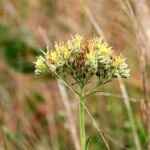
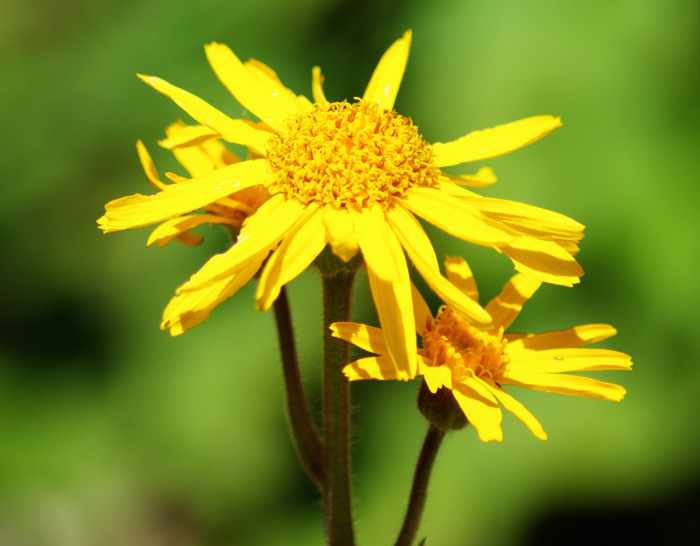
- Botanical Name: Arnica montana
- Family: Asteraceae (Compositae)
- Common Names: Arnica, Leopard’s Bane, Mountain Daisy
- Natural Habitat: Alpine meadows and mountain regions of Europe
- Part Used: Fresh, whole flowering plant
2. Homeopathic Preparation
- Mother Tincture (Q): Produced by macerating the freshly picked flowering plant in alcohol
- Potentization: Prepared via serial dilution and succussion, usually on the C scale
- Safety: The raw plant is toxic when ingested in non-homeopathic amounts. Only homeopathically prepared potencies from licensed pharmacies are for internal use.
3. Core Remedy Picture (Keynotes)
- Essence: The leading remedy for trauma (physical or emotional), marked by bruised, sore, and aching sensations.
- Mental-Emotional Signs:
- Denies illness or injury, insisting “I am well” despite clear trauma
- Dislikes being touched or approached
- Irritability after shock or injury
- Fear of being struck or further harmed
- Physical Signs:
- Soreness and bruising as if beaten
- Pain aggravated by touch or movement
- Bleeding (especially after trauma)
- Blue-black discoloration of tissues
- Sensation that the bed is too hard due to bodily soreness
4. Therapeutic Uses in Homeopathy
- A. Common (Acute) Conditions:
- Blunt injuries, falls, and accidents
- Soreness after surgery
- Muscle strain, overexertion
- Contusions, bruises
- Shock post-injury
- B. Chronic Conditions:
- Persistent pain from old injuries
- Chronic muscle soreness from repeated strain
- Post-traumatic arthritis
- Long-term effects of physical overuse
- C. Severe/Extreme Cases (Adjunctive Support Only):
- Head injuries (as supportive care)
- Internal bleeding post-trauma
- Severe shock
- Note: Emergency care must always be prioritized.
5. Constitutional Profile – Who Responds Best?
- Individuals who are strong, physically active (e.g., athletes, laborers, those prone to accidents)
- People who tend to minimize or dismiss pain and injury
- Typically experience deep tissue soreness, bruising, and shock, with marked aversion to touch
6. Potencies & Practical Use
| Potency | Typical Clinical Use |
|---|---|
| 3X | Minor trauma, bruising, muscular soreness, first-aid use |
| 30C | Acute injuries, falls, sprains, post-surgical pain |
| 200C | Severe trauma, shock, deep tissue injury |
| 1M | Intense trauma, constitutional reaction after injury |
| 10M | Deep-seated post-traumatic conditions (expert use) |
| 50M | Long-standing effects of trauma (experienced prescribing only) |
| CM | Profound constitutional trauma states (specialist supervision) |
- 3X: For minor injuries, bruising, muscular soreness, and first-aid use after physical strain.
- 30C: For acute trauma, falls, sprains, and post-surgical pain with marked soreness.
- 200C: For severe trauma, shock, or deep tissue injury requiring stronger systemic action.
- 1M: For intense traumatic reactions or lingering effects after major injury (experienced use).
- 10M: For deep-seated post-traumatic conditions and long-term sequelae (specialist supervision).
- 50M: For long-standing trauma effects affecting overall vitality (advanced prescribing only).
- CM: For profound constitutional trauma states where injury has deeply impacted the system (expert-level use).
Dosage: In acute trauma, begin with short, frequent doses of lower potencies, then reduce frequency as improvement appears. Higher potencies are given infrequently with careful observation. Discontinue dosing once recovery is clearly established.
7. Effects in Children & Seniors
- Children: Useful for falls, sports injuries, and post-vaccination soreness (with medical supervision)
- Seniors: Helpful for bruising after falls and post-surgical recovery (always rule out fractures or internal injuries)
8. Classical References & Clinical Application
- Recognized by Hahnemann, Kent, Boericke, and Clarke as the first remedy after injury
- Indicated for bruised soreness and shock
- Compared frequently with Bellis perennis, Ruta graveolens, and Hypericum
9. Key Repertory Rubrics
- Injuries – trauma
- Bruised, sore pain
- Mental state: Claims to be well
- General aggravation from touch
- Bed feels excessively hard
10. Sample Repertorization Chart
| Rubric | Arnica | Bellis | Ruta | Hypericum |
|---|---|---|---|---|
| Trauma | 3 | 2 | 2 | 2 |
| Bruised pain | 3 | 3 | 2 | 1 |
| Aversion to touch | 3 | 1 | 1 | 2 |
| Shock | 3 | 2 | 1 | 2 |
| Overexertion | 2 | 2 | 3 | 1 |
Clinical Insight:
Arnica montana is selected whenever physical trauma, bruised soreness, or shock forms the dominant feature of the case. It is one of the foremost remedies for injuries resulting from falls, blows, accidents, surgical procedures, or overexertion, where the body feels sore, beaten, and tender as if it had been bruised all over. Even when no external marks are visible, Arnica is often indicated due to the internal effects of trauma.
A characteristic sensation of Arnica montana is a deep, bruised soreness, making the patient extremely sensitive to touch or pressure. The patient may complain that the bed feels too hard and may resist being examined or approached, despite obvious injury. This aversion to touch is a key guiding symptom. Pain is often described as aching or sore rather than sharp, and movement may worsen the discomfort.
Arnica is also invaluable in cases of shock, both physical and emotional. The patient may appear dazed, indifferent, or insist that nothing is wrong, even when clearly injured. There may be coldness of the body, weakness, and a feeling of exhaustion following trauma. Mentally, the patient may be restless yet avoid help, reflecting the stunned state associated with shock.
Clinically, Arnica montana is widely used in post-operative recovery, muscle strain, sprains, bruises, and injuries from excessive physical labor. It helps prevent complications such as inflammation, hemorrhage, and delayed healing. It is particularly effective when given early, immediately after injury.
In summary, Arnica montana should be chosen whenever trauma, bruised soreness, or shock predominates, whether from acute injury or overexertion, making it an essential remedy in both emergency and recovery phases.