

1. Plant Origin & Identity
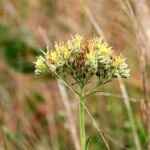
- Botanical Name: Anacardium orientale
- Family: Anacardiaceae
- Common Names: Marking Nut, Oriental Cashew
- Natural Habitat: India and tropical Asia
- Part Used: The nut (fruit/seed)
2. Preparation for Homeopathic Use
- Mother Substance: Juice/extract of the nut
- Preparation Method: Trituration and potentization
- Potency Scale Used: Centesimal (C scale)
Safety Warning:
The crude nut is caustic and irritant- only homeopathically prepared potencies are safe and used therapeutically.
Contents
1. Plant Origin & Identity2. Preparation for Homeopathic Use3. Core Remedy Picture (Keynotes)4. Uses in Homeopathy5. Constitutional Profile – Who Benefits Most?6. Potencies & Practical Use7. Effects in Children & Seniors8. Classical References & Clinical Use9. Key Repertory Rubrics10. Sample Repertorization Chart
3. Core Remedy Picture (Keynotes)
Essence:
- Deep mental conflict
- Marked lack of confidence
- Sensation of being split between two wills
- Moral weakness despite intellectual sharpness
Mental- Emotional Features:
- Persistent fixed ideas, suspicion
- Fear of failure; loss of self-confidence
- Sudden impulse to curse or swear
- Sense of emptiness or disconnection in the mind
Physical Tendencies:
- Weak digestion
- Gastric pain relieved by eating
- Nervous exhaustion
- Paralytic sensations in limbs
4. Uses in Homeopathy
A. Common Ailments
- Anxiety with lack of confidence
- Mental confusion
- Gastric discomfort improved by eating
- Nervous irritability
B. Chronic Ailments
- Persistent mental insecurity
- Irritable depression
- Memory weakness
- Functional nervous disorders
C. Severe Presentations (Adjunctive use only – urgent medical care required):
- Profound depressive states
- Pronounced personality disturbances
- Suicidal ideation
5. Constitutional Profile – Who Benefits Most?
- Intellectually capable people with weak will or confidence
- Strong reasoning, poor execution
- Those with ongoing internal moral conflict
- Symptoms worsen under stress or responsibility
Characteristic Experience:
A sense of inner split: the person knows what to do, but feels unable to act, leading to paralysis of confidence and will.
6. Potencies & Practical Use
| Potency | Pack Size | Clinical Use |
|---|---|---|
| 30C | 100 ml | Anxiety, lack of confidence |
| 200C | 100 ml | Deep mental conflict |
| 1M | 60 ml | Chronic constitutional cases |
| CM | 30 ml | Very deep mental pathology (expert use) |
Repetition Guidelines:
- Lower potencies: repeat cautiously
- Higher potencies: single dose, observe effects over time
7. Effects in Children & Seniors
Children:
- Learning difficulties
- Low self-confidence
- Insecure or anxious behavior (professional supervision advised)
Seniors:
- Memory weakness
- Irritability
- Nervous exhaustion (ensure no underlying organic disease)
8. Classical References & Clinical Use
Cited by Hahnemann, Kent, Boericke, and Clarke for:
- Weakness of will
- Fixed ideas
- Internal moral and mental conflict
- Often compared with Argentum nitricum, Lycopodium, Natrum muriaticum
9. Key Repertory Rubrics
- Mind- lack of confidence, delusion of divided will, irritability
- Stomach- pain relieved by eating
- Generalities- nervous weakness
10. Sample Repertorization Chart
| Rubric | Anacardium | Lycopodium | Argent nit |
|---|---|---|---|
| Want of confidence | 3 | 3 | 2 |
| Fixed ideas | 3 | 1 | 1 |
| Gastric pain > eating | 3 | 1 | 1 |
| Mental conflict | 3 | 2 | 1 |
| Nervous exhaustion | 2 | 2 | 3 |
Clinical Insight:
Choose Anacardium orientale especially when the patient is intellectually able but suffers from profound lack of confidence and moral strength.