

1. Source & Identity
- Remedy Name: Melilotus Alb.
- Botanical Remedy: Melilotus officinalis
- Common Name: Yellow Sweet Clover
- Scientific Name: Melilotus officinalis
- Remedy Type: Plant-derived homeopathic remedy
- Preparation Base: Fresh flowering aerial parts
2. Extraction & Homeopathic Preparation
Melilotus is prepared from the fresh flowering tops of Melilotus officinalis. The fresh plant material is used to create the mother tincture (Q), which is subsequently potentized through serial dilution and succussion to produce standard homeopathic potencies, such as 30C.
3. Core Sphere of Action
Melilotus acts most notably on:
- Head: Intense, congestive, throbbing headaches
- Circulatory System: Venous congestion
- Nervous System: Dizziness and vascular headaches
- Nose: Congestive nosebleeds
Central Theme: Vascular congestion characterized by throbbing headache, facial redness or flushing, and a sensation of fullness or pressure in the head.
4. Characteristic Symptoms & Keynotes
- Severe, pulsating headaches
- Sensation of blood rushing to the head
- Marked facial redness and flushing
- Nosebleeds, often coinciding with headaches
- Dizziness
- Head feels full, heavy, or pressured
- Symptoms aggravated by heat, sunlight, or excitement
Keynote: Intense, congestive headache that is relieved following a spontaneous nosebleed.
5. Key Repertory Rubrics
- Head: Congestion
- Head: Throbbing pain
- Face: Flushed
- Nose: Epistaxis (bleeding)
- Vertigo: Vascular origin
- Generalities: Congestion
6. Comparative Remedies (Differential Diagnosis)
| Feature | Melilotus | Glonoinum | Belladonna |
|---|---|---|---|
| Congestive Headache | Strong | Very Strong | Strong |
| Facial Flushing | Marked | Marked | Marked |
| Nosebleeds | Characteristic | Occasional | Mild |
| Worse from Heat | Yes | Yes | Yes |
7. Therapeutic Uses in Homeopathy
Common (Acute Conditions):
- Congestive headaches
- Facial flushing
- Mild dizziness
- Nosebleeds associated with congestion
Chronic Conditions:
- Recurrent vascular headaches
- Chronic venous congestion
- Periodic congestive head pain
Severe Conditions (Adjunct Only):
- Chronic vascular headache syndromes
- Long-standing circulatory complaints
Note: Persistent, sudden, or severe headaches require prompt medical evaluation. Homeopathic remedies should not replace emergency medical treatment.
8. Constitutional Portrait (Indications)
Melilotus is best suited to individuals who:
- Experience intense, throbbing headaches
- Flush easily, especially in the face
- Feel persistent pressure or fullness in the head
- Have headaches aggravated by heat or excitement
- Occasionally experience nosebleeds with congestion
9. Potency & Practical Usage
Dosage Guidance:
- Select potency according to the entire symptom picture
- Reduce or discontinue dosing as improvement occurs
- Avoid frequent repetition without professional advice
- Consult a qualified homeopath for recurrent symptoms
10. Effects in Children & Seniors
Children:
- Occasionally considered in selected constitutional cases
- Persistent headaches must always be evaluated by a physician
- Use only under professional supervision
Seniors:
- May help support circulatory balance constitutionally
- Requires individualized monitoring
- Ongoing headaches or dizziness require medical assessment
11. Clinical Insights
Melilotus is a well-recognized homeopathic remedy for vascular congestion and related headaches. It is particularly indicated when headaches are accompanied by facial flushing, throbbing sensations, and a sense of excessive blood flow to the head. Patients often describe severe, pulsating headaches accompanied by dizziness and visible facial redness. Relief after a spontaneous nosebleed is a classic guiding symptom, indicating the release of vascular congestion. Melilotus is especially considered when headaches worsen in warm environments, after emotional excitement, or with sun exposure. These modalities help differentiate it from similar remedies for congestive headaches. Its traditional affinity for the vascular system makes Melilotus valuable in well-matched constitutional cases involving circulatory imbalance and recurring head congestion. In practice, Melilotus is frequently used when congestion develops rapidly, with pronounced facial redness and head fullness. Individuals may find it difficult to concentrate due to the intense pulsating discomfort. The remedy is also considered when recurrent vascular headaches disrupt work, rest, or daily life. When the symptom profile matches, Melilotus may contribute to better constitutional balance and circulatory comfort. Under qualified professional guidance, Melilotus can play a supportive role in improving vascular resilience and tolerance to circulatory stress.
12. Sample Repertorization Chart
| Potency | Pack Size | Clinical Role |
|---|---|---|
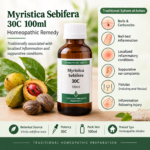
| 30C | 100 ml | Acute congestive headaches and circulatory complaints |
Conclusion
Melilotus is a classical homeopathic remedy for congestive headaches, facial flushing, and vascular congestion. Its selection is based on the individual’s complete symptom picture, not a specific diagnosis. The remedy’s homeopathic application centers on supporting healthy circulation and relieving recurring vascular congestion when prescribed appropriately. Those with persistent or recurring congestive headache patterns may benefit under qualified professional supervision. With individualized guidance, Melilotus remains a respected remedy for constitutional cases involving vascular congestion and throbbing headaches. It should always complement, not replace, appropriate medical assessment for severe or persistent symptoms. Beyond its traditional indications, Melilotus is valued for supporting vascular health and constitutional well-being, provided it is prescribed according to homeopathic principles and under professional care.