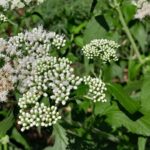

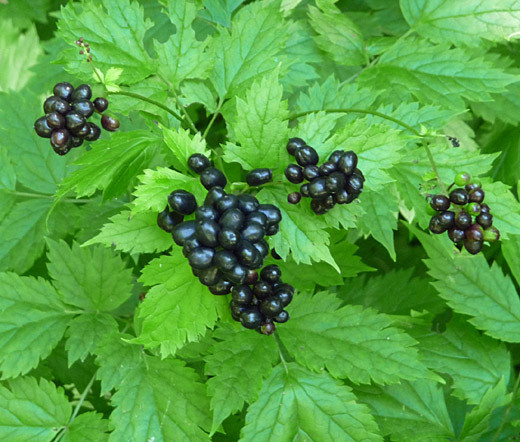
1. Plant Origin & Identity
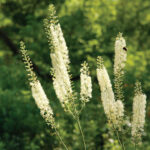
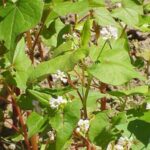
- Botanical Name: Actea spicata
- Family: Ranunculaceae
- Common Names: Baneberry, Herb Christopher
- Habitat: Central & Northern Europe, shady woodland regions
- Part Used: Fresh root (standard in homeopathic pharmacy)
Materia Medica Significance:
Actea spicata is primarily used as a remedy for musculoskeletal and periosteal pain, renowned for its affinity for small joints (such as wrists, fingers, and ankles) that exhibit pronounced sensitivity to touch and motion.
2. Extraction & Homeopathic Preparation
- Mother Tincture (Q): Prepared by macerating fresh root in alcohol and filtering.
- Potentization: Serial dilution and succussion (C or X/D scales) to create homeopathic potencies.
- Safety Note: The raw plant is toxic if ingested. Homeopathic potencies are highly diluted and should be used under the guidance of a professional.
3. Core Remedy Picture (Keynotes)
- Essence:
- Severe pain in small joints
- Pain aggravated by the slightest touch or movement
- Stiffness with marked tenderness; periosteal involvement
- Mental- Emotional:
- Irritability due to pain
- Fewer mental symptoms compared to other Actea species
- Mood may deteriorate with chronic suffering
- Physical Tendencies:
- Rheumatic and arthritic pain
- Wrist pain radiating to fingers
- Ankle and foot pain, worse with walking
4. Clinical Applications
- A) Acute/Subacute:
- Acute rheumatism of wrists and hands
- Painful ankle sprains with stiffness
- Joint inflammation worsens with motion
- B) Chronic:
- Rheumatoid arthritis (especially affecting small joints)
- Chronic periosteal pain
- Repeated joint stiffness after exertion
- C) Severe Cases (Adjunct Only):
- Severe inflammatory arthritis with extreme tenderness
- Advanced joint degeneration (supportive use only; medical care essential)
5. Constitutional Profile
- Best suited for individuals with primarily physical symptoms
- Marked sensitivity to touch, pressure, or movement
- Often active individuals whose joint pain restricts activity
- Fewer emotional symptoms compared to Actea racemosa
6. Potency & Practical Use
| Potency | Typical Clinical Use |
|---|---|
| 6C / 12C | Acute joint pain, recent strain |
| 30C | Chronic rheumatic or arthritic conditions |
| 200C | Deep-seated joint pathology (experienced prescriber) |
| 1M+ | Rare, constitutional use |
Repetition:
- Acute: Repeat at short intervals
- Chronic: Wait and assess response
- Discontinue once improvement stabilizes
7. Use in Children & Seniors
- Children: Joint pain after minor injuries; growing pains with stiffness (after evaluation)
- Seniors: Osteoarthritic pain in wrists, ankles, fingers; pain with marked tenderness and stiffness (rule out fractures or systemic disease)
8. Literature Notes
- Classical sources (Clarke, Hering) emphasize Actea spicata’s role in small-joint rheumatism and periosteal pain.
- Frequently compared to Rhus tox (motion relieves) and Bryonia (motion aggravates), Actea spicata stands out for extreme joint tenderness, especially in wrists.
9. Key Repertory Rubrics
- Generalities:
- Pain: Joints, small joints
- Pain: Aggravated by touch or motion
- Extremities:
- Rheumatism: Wrists, ankles
- Stiffness: Joints
- Modalities:
- Worse: Motion, touch, exertion
- Better: Rest
10. Comparative Repertorization (Teaching Example)
| Rubric | Actea spicata | Rhus tox | Bryonia | Causticum |
|---|---|---|---|---|
| Joints – pain, small joints | 3 | 2 | 2 | 2 |
| Pain – touch aggravates | 3 | 1 | 2 | 1 |
| Motion – aggravates | 3 | 1 | 3 | 2 |
| Wrists – rheumatism | 3 | 2 | 1 | 2 |
| Stiffness – joints | 2 | 3 | 2 | 2 |
Clinical Insight:
Actea spicata is indicated when joint pain is sharply localized, intensely sensitive, and significantly aggravated by even the slightest touch or movement. In contrast to remedies where motion alleviates discomfort, individuals requiring Actea spicata often avoid any movement due to pronounced tenderness and stiffness. The pain typically centers on small joints- especially the wrists, fingers, ankles, and feet- and may be accompanied by heightened periosteal sensitivity.
Clinically, Actea spicata is most appropriate when inflammation or rheumatic pain persists despite rest, and when mechanical use of the affected joint clearly exacerbates symptoms. Minimal emotional symptoms help differentiate Actea spicata from other Actea remedies, such as Actea racemosa, where psychological and emotional features are more prominent. Effective prescribing relies on identifying the predominance of physical joint pathology along with marked sensitivity to touch.
This remedy is most effective when joint tenderness clearly outweighs swelling or deformity.