
Source and Identity
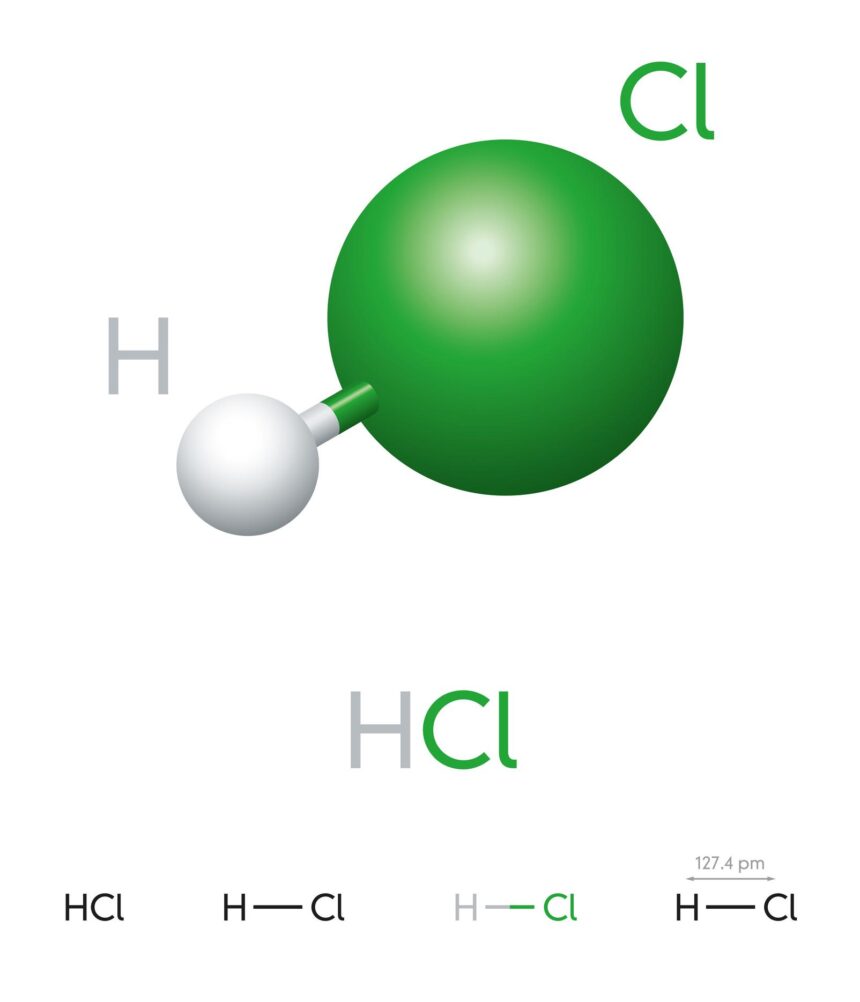
Acidum Muriaticum is the homeopathic preparation associated with hydrochloric acid (HCl), also called muriatic acid or spirit of salt. The official Indian pharmacopoeial monograph identifies its chemical symbol as HCl and molecular weight as 36.461.
In classical homeopathic materia medica, Muriatic Acid has a distinctive picture centered on extreme physical weakness, mucous-membrane ulceration, mouth and tongue problems, rectal complaints, hemorrhagic tendencies and states of profound exhaustion.
Important: crude hydrochloric acid is corrosive and hazardous. A 200C homeopathic preparation is a highly diluted potentized preparation and should not be confused with concentrated hydrochloric acid.
Traditional Homeopathic Sphere of Action
Classical materia medica gives Muriatic Acid a strong association with prostration and low-vitality states. Boericke describes a picture involving profound weakness, mucosal involvement, hemorrhagic tendencies and characteristic mouth and rectal symptoms.
Traditional areas include:
- Nervous system and general vitality
- Mouth and tongue
- Throat
- Digestive tract
- Rectum and anus
- Circulation
- Skin and mucous membranes
- Female reproductive system
- General states of exhaustion
A particularly characteristic traditional feature is extreme weakness out of proportion to the apparent activity of the patient. Classical descriptions include the patient becoming so weak that they may slide down in bed.
Characteristic Symptoms
Traditional descriptions of Acidum Muriaticum emphasize:
1. Profound weakness
Marked exhaustion, heaviness, weakness of the limbs and difficulty maintaining an upright position are prominent classical features.
2. Mouth and tongue
Traditional texts describe a dry, swollen, leathery or weak tongue, aphthous or ulcerative lesions, swollen gums and offensive breath.
3. Rectal complaints
Muriatic Acid has a strong traditional association with very sensitive hemorrhoids, including hemorrhoidal complaints described as bluish and painful from even slight touch.
4. Involuntary discharges
A characteristic traditional symptom is involuntary stool occurring while urinating. Similar involuntary discharges may occur in states of profound weakness.
5. Hemorrhagic tendency
Classical materia medica associates the remedy with passive or recurrent bleeding patterns, particularly when accompanied by marked weakness.
6. Emotional state
Traditional descriptions include irritability, sadness, taciturn behavior, restlessness and a tendency to suffer silently.
Key Repertory Rubrics
Depending on the repertory, commonly associated rubrics include:
- Mind – Irritability
- Mind – Sadness
- Mind – Taciturn
- Generalities – Weakness / prostration
- Mouth – Dryness
- Mouth – Ulcers
- Mouth – Aphthae
- Mouth – Tongue – swollen
- Rectum – Hemorrhoids
- Rectum – Hemorrhoids – sensitive to touch
- Rectum – Hemorrhoids – bluish
- Stool – Involuntary
- Urination – While urinating, stool passes
- Skin – Ulcers
- Extremities – Weakness
Kent-based repertory material also records characteristic mouth and hemorrhoidal rubrics for Muriaticum Acidum.
Comparative Remedies
| Remedy | Traditional distinguishing picture |
|---|---|
| Acidum Muriaticum | Profound prostration, mouth/rectal involvement and extreme sensitivity of hemorrhoids |
| Acidum Phosphoricum | Weakness associated traditionally with grief, mental exhaustion and prolonged depletion |
| Arsenicum Album | Anxiety, restlessness, weakness and marked concern about health |
| Baptisia | Low, exhausted febrile states with dullness and characteristic offensive symptoms |
| Carbo Vegetabilis | Collapse, weakness and poor vitality with traditional circulatory associations |
| Rhus Toxicodendron | Restlessness with characteristic musculoskeletal and skin symptoms |
These are traditional materia-medica comparisons, not evidence that these remedies treat the corresponding medical conditions.
Traditional Uses
Historically, Muriatic Acid has been discussed in homeopathic literature in connection with:
- Profound weakness
- Mouth ulcers and aphthous complaints
- Tongue disorders
- Hemorrhoids
- Rectal sensitivity
- Involuntary stool
- Low-grade febrile states
- Ulcerative mucosal conditions
- Certain hemorrhagic patterns
- Skin ulceration
These are descriptions from traditional homeopathic literature rather than established clinical indications. Modern evidence does not establish homeopathy as an effective treatment for serious infections, bleeding, ulcers, or other medical diseases.
Muriatic Acid 200C – Potency Information
| Potency | Pack size | Traditional homeopathic positioning |
|---|---|---|
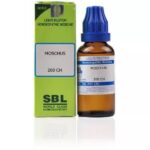
| Acidum Muriaticum 200C | 100ml | High-potency preparation traditionally selected according to the individual’s complete symptom picture |
The 200C potency should not be confused with crude hydrochloric acid. The HPI monograph specifically distinguishes the original chemical substance from its higher homeopathic potencies.
Children and Senior Citizens
For children, unexplained bleeding, severe weakness, persistent vomiting/diarrhea, high fever, mouth ulcers that do not heal, or altered consciousness should receive appropriate medical evaluation.
For senior citizens, new weakness, rectal bleeding, black stools, severe dehydration, confusion or sudden decline should not be attributed solely to a homeopathic symptom picture. These can require prompt conventional medical assessment.
Clinical Insight
The central traditional theme of Muriatic Acid is not simply “acidity.” Its classical homeopathic picture is more strongly characterized by profound prostration combined with ulcerative or mucosal symptoms and marked rectal sensitivity.
The combination of extreme weakness + mouth/tongue involvement + sensitive hemorrhoids + involuntary discharges is particularly characteristic in classical descriptions. Boericke and other traditional sources repeatedly emphasize the relationship between low vitality and these local symptoms.
A useful way to differentiate the traditional Muriatic Acid picture is to look for the degree of exhaustion accompanying the local complaint. A mouth ulcer alone, for example, does not establish a Muriatic Acid picture. Classical prescribing considers the totality—including general weakness, mental state, modalities and associated symptoms.
The official HPI monograph confirms that Acidum Muriaticum is a recognized homeopathic preparation and provides its pharmacopoeial preparation framework.
Sample Repertorization Chart
| Symptom | Muriatic Acid | Phosphoric Acid | Arsenicum Album | Baptisia |
|---|---|---|---|---|
| Profound weakness | ★★★ | ★★★ | ★★★ | ★★★ |
| Mouth ulceration | ★★★ | ★★ | ★★ | ★★ |
| Sensitive hemorrhoids | ★★★ | ★ | ★★ | ★ |
| Involuntary stool | ★★★ | ★★ | ★★ | ★★ |
| Taciturn/silent state | ★★★ | ★★★ | ★★ | ★★ |
| Restlessness | ★★ | ★ | ★★★ | ★★ |
Illustrative educational comparison only; the stars are not clinical efficacy scores.
Safety Note
Muriatic Acid in its crude chemical form is corrosive and can cause serious burns or tissue injury. The product described here is Acidum Muriaticum 200C, a highly diluted homeopathic preparation, and should not be confused with laboratory or industrial hydrochloric acid. The HPI describes the original substance as a pungent, strongly acidic liquid and specifies appropriate storage for the undiluted material.
Do not use a homeopathic preparation as a substitute for medical evaluation of significant bleeding, severe weakness, persistent fever, dehydration, black stools, severe abdominal pain, or altered consciousness.
Conclusion
Muriatic Acid 200 100ml, correctly identified as Acidum Muriaticum 200C, is a traditional homeopathic preparation associated with a characteristic picture of profound weakness, mucosal and oral ulceration, tongue symptoms, rectal complaints, sensitive hemorrhoids, involuntary discharges and hemorrhagic tendencies. Classical sources particularly emphasize the combination of severe prostration with mouth and rectal manifestations.
For an SEO product page, the correct product identity should therefore be presented as Acidum Muriaticum (Muriatic Acid) 200C, 100ml, while clearly distinguishing the potentized homeopathic preparation from corrosive hydrochloric acid itself.