
Source and Identity
Moschus, sometimes incorrectly spelled as “Moscus,” is the homeopathic preparation associated with musk, a strongly aromatic animal substance historically obtained from the musk deer. In classical homeopathic materia medica, Moschus is particularly linked with nervous excitability, hypersensitivity, fainting tendencies, spasmodic complaints, palpitations, and sudden emotional reactions.
The traditional remedy picture features symptoms that may appear suddenly and intensely. Individuals may seem highly excitable, anxious, oversensitive, or prone to dramatic changes in physical and emotional state.
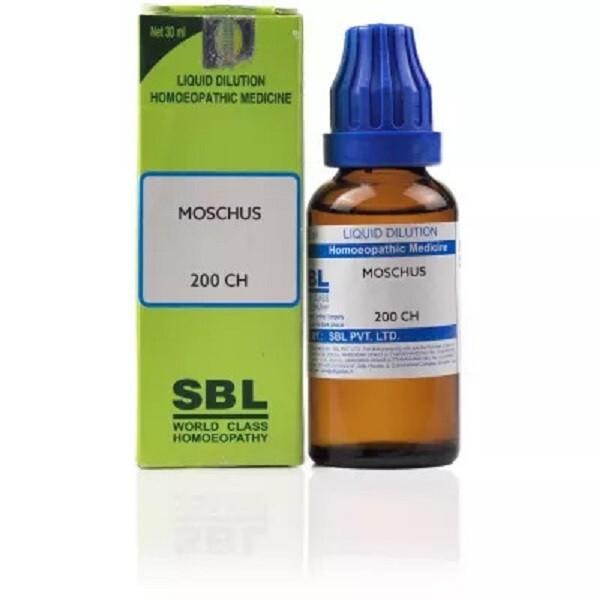
Modern products labeled Moschus 200C are highly diluted homeopathic preparations and should not be confused with crude musk or pharmaceutical medicines.
Traditional Sphere of Action
In traditional homeopathic literature, Moschus is mainly associated with the nervous system and cardiovascular sphere, while also having characteristic associations with the respiratory system and female reproductive complaints.
The remedy picture may include:
- Marked nervous excitement and hypersensitivity
- Sudden faintness or feeling of impending collapse
- Palpitations associated with emotional excitement
- Spasmodic or hysterical-type manifestations
- Sensation of suffocation or difficulty getting enough air
- Trembling and internal agitation
- Headache associated with nervous tension
- Strong emotional reactions
- Complaints that seem disproportionate to the apparent physical findings
Characteristic Symptoms
One of the most recognizable traditional features of Moschus is excessive nervous excitability. The individual may be extremely sensitive to external impressions, emotions, touch, noise, or stressful situations.
Traditional materia medica descriptions also emphasize:
- Sudden fainting sensations
- Anxiety with physical symptoms
- Palpitation and awareness of heartbeat
- Trembling
- Spasmodic sensations
- Sensation of constriction or suffocation
- Emotional instability
- Nervous headaches
- Abdominal or uterine spasmodic complaints
- Marked sensitivity to stimulation
The overall picture is often one of intensity and suddenness rather than slow, uncomplicated symptoms.
Key Repertory Rubrics
Depending on the repertory and edition used, Moschus is traditionally associated with rubrics relating to:
- Mind – Excitement
- Mind – Anxiety
- Mind – Hysteria
- Mind – Sensitive, oversensitive
- Fainting
- Heart – Palpitation
- Respiration – Difficult
- Respiration – Suffocative sensation
- Generalities – Trembling
- Spasms
- Female genitalia – Spasmodic complaints
Rubrics should always be selected from the patient’s complete symptom picture, not from a diagnosis alone.
Comparative Remedies
| Remedy | Traditional distinguishing feature |
|---|---|
| Moschus | Extreme nervous excitability, sudden faintness, spasmodic and emotional manifestations |
| Ignatia | Acute emotional sensitivity, grief, contradictory symptoms and spasmodic tendencies |
| Nux vomica | Irritability, oversensitivity, stimulation and digestive complaints |
| Aconitum | Sudden intense anxiety and fear, particularly in acute states |
| Asafoetida | Nervous symptoms with marked sensations of upward pressure and hysterical-type manifestations |
| Valeriana | Nervous excitability, restlessness and hypersensitivity |
The similarity between these remedies makes individual symptom characteristics important when selecting a traditional homeopathic medicine.
Traditional Uses in Homeopathic Practice
Moschus has traditionally been considered when nervous or emotional symptoms are accompanied by striking physical sensations. Classical descriptions frequently associate it with palpitations, faintness, trembling, spasms, suffocative sensations, and heightened emotional responsiveness.
It has also appeared in traditional discussions of female complaints involving nervousness and spasmodic sensations. However, these traditional uses should not be interpreted as evidence that Moschus treats a specific medical disease.
Moschus 200C – Potency Information
| Potency | Pack | Traditional positioning |
|---|---|---|
| Moschus 200C | 100ml | High-potency preparation traditionally selected according to the overall symptom picture |
A 200C preparation is generally considered a high potency in homeopathic practice. Potency selection and repetition are traditionally individualized rather than determined simply by the name of a disease.
Children and Senior Citizens
For children, unexplained fainting, breathing difficulty, palpitations, seizures, or sudden behavioral changes require proper medical assessment rather than relying on self-selected homeopathic treatment.
For older adults, new palpitations, faintness, chest discomfort, confusion, or shortness of breath should receive prompt medical evaluation because cardiovascular and neurological conditions can present with similar symptoms.
Clinical Insight
The traditional Moschus picture can be remembered as a combination of nervous hypersensitivity, sudden intensity, and faintness/spasmodic sensations. This distinguishes it from remedies where anxiety is primarily characterized by fear or where nervous symptoms are dominated by fatigue.
In classical prescribing, the totality of symptoms remains more important than any single symptom. A practitioner may consider the emotional state, modalities, associated physical sensations, timing, and characteristic expressions before selecting Moschus.
Important Safety Note
Moschus 200C is a homeopathic preparation and should not be confused with crude musk or pharmaceutical drugs. It should not be used as a replacement for emergency care, prescribed cardiac medicines, treatment for respiratory disease, or evaluation of unexplained fainting or palpitations.
Seek urgent medical attention for chest pain, severe breathing difficulty, loss of consciousness, severe allergic symptoms, or persistent/new palpitations.
Sample Repertorization Chart
| Symptom | Moschus | Ignatia | Nux vomica | Aconitum |
|---|---|---|---|---|
| Nervous excitability | ★★★ | ★★★ | ★★ | ★★ |
| Hypersensitivity | ★★★ | ★★★ | ★★★ | ★★ |
| Faintness | ★★★ | ★★ | ★ | ★★ |
| Palpitations | ★★★ | ★★ | ★★ | ★★★ |
| Spasmodic tendency | ★★★ | ★★★ | ★★ | ★ |
| Sudden anxiety | ★★ | ★★ | ★ | ★★★ |
This is an illustrative comparison, not a validated clinical scoring system.
Conclusion
Moschus 200 100ml is a traditional homeopathic preparation associated primarily with nervous excitability, hypersensitivity, faintness, palpitations, trembling, spasmodic sensations, and suffocative feelings. Its classical picture is particularly characterized by sudden and intense nervous or emotional manifestations.
For responsible use, Moschus 200C should be considered within the complete individual symptom picture and not simply prescribed according to a diagnostic label. Persistent or serious symptoms—especially fainting, chest symptoms, breathing difficulty, or significant palpitations—should always be medically evaluated.