

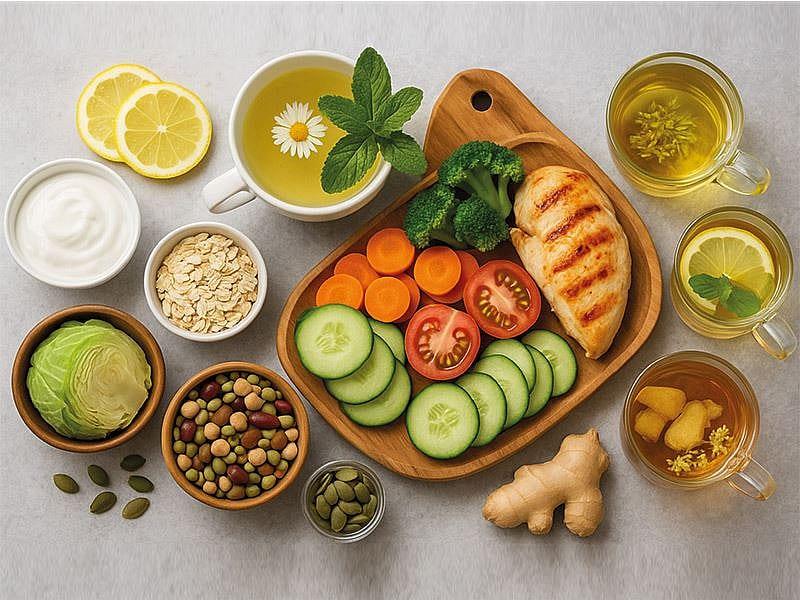
Introduction in Natural Remedies for Bloating
Bloating is a common digestive complaint, described as fullness, tightness, or swelling in the abdomen. While occasional bloating after a meal is normal, frequent or persistent bloating can impact comfort and confidence. Rather than being a disease itself, bloating is usually a sign that digestion is off balance—whether due to the way food is broken down, how gas moves through the gut, or the health of gut bacteria. This article explores causes, symptoms, and natural as well as homeopathic approaches to managing bloating.
Note: This article is for general education only. Persistent or severe bloating should be evaluated by a healthcare provider.
1. Understanding Bloating
Bloating can be caused by:
- Excess gas: Often from fermentation of certain foods or swallowing air.
- Gut sensitivity or motility issues: As seen in Irritable Bowel Syndrome (IBS).
- Fluid retention: Influenced by sodium intake or hormones.
- Structural causes: Such as obstruction or organ enlargement—these require medical attention.
Most day-to-day bloating is related to excess gas and gut sensitivity, both closely linked to digestive health.
2. Main Causes of Bloating
- Dietary:
- Overeating or eating too quickly
- Carbonated drinks
- High-FODMAP foods (beans, onions, wheat)
- Artificial sweeteners (sorbitol, xylitol)
- Dairy (if lactose intolerant)
- Gluten (if sensitive)
- Digestive/Gut Health:
- Imbalance of gut bacteria (dysbiosis)
- Small Intestinal Bacterial Overgrowth (SIBO)
- Low stomach acid or enzyme deficiencies
- Constipation
- IBS or food intolerances
- Lifestyle:
- Sedentary habits
- Stress
- Poor posture during meals
- Hormonal shifts (e.g., menstruation)
- Smoking
Some medications and medical conditions can also contribute; if in doubt, seek medical advice.
3. Symptoms & Warning Signs in Natural Remedies for Bloating
Bloating is often accompanied by:
- Visible swelling
- Excessive gas
- Abdominal tightness or mild cramping
- Burping
- Fatigue after eating
Warning signs to watch for:
- Bloating with weight loss, blood in stool, severe pain, or new onset after age 50
- Hard, persistent abdominal swelling
- Fever, vomiting, or inability to pass gas/stool
These require prompt medical evaluation.
4. Natural Approaches to Reduce Bloating
- Diet:
- Eat smaller, slower meals
- Identify and reduce trigger foods (keep a food diary)
- Limit carbonated drinks and artificial sweeteners
- Cook gas-producing vegetables and soak beans before cooking
- Moderate portion sizes with legumes and cruciferous veggies
- Hydration:
- Drink enough water to prevent constipation
- Herbal teas (peppermint, ginger, fennel, chamomile) may help relieve symptoms
- Gut Health:
- Include probiotic-rich foods (yogurt, kefir, sauerkraut)
- Use digestive enzymes if needed (especially for lactose intolerance)
- Address constipation with fiber, fluids, and movement
- Consider a low-FODMAP diet with professional guidance
- Lifestyle Adjustments:
- Gentle movement or walking after meals
- Abdominal massage or gentle yoga poses for digestion
- Manage stress (meditation, deep breathing, good sleep)
- Maintain upright posture during meals
- Avoid tight waistbands
5. Homeopathic Support in Natural Remedies for Bloating
Homeopathy considers the type and pattern of bloating, as well as individual constitution. Common remedies referenced include:
- Carbo vegetabilis: Upper abdominal bloating and belching after small meals
- Lycopodium: Bloating worse in the evening, with rumbling and lower abdominal gas
- China (Cinchona): Bloating not relieved by belching, after fruit or fatty foods
- Nux vomica: Bloating linked to overeating, alcohol, or a sedentary lifestyle
- Others: Argentum nitricum, Chamomilla, Pulsatilla, Magnesia phosphorica, Asafoetida, Raphanus sativus
Note: Scientific evidence for homeopathy is limited. Remedies should complement—not replace—diet and lifestyle changes. For persistent or unusual symptoms, seek professional advice.
6. Daily Routine to Reduce Bloating
- Start with warm water in the morning
- Eat a fiber- and probiotic-rich breakfast
- Chew food thoroughly and eat slowly
- Take walks after meals
- Opt for lighter dinners and herbal teas in the evening
- Track trigger foods and symptoms
- Stay active and prioritize stress management and good sleep
7. When to See a Doctor
Seek medical advice if you experience:
- Unexplained weight loss
- Severe or worsening pain
- Blood in stool
- Persistent, hard swelling
- No improvement after several weeks of self-care
Conclusion
Bloating is common and usually manageable with mindful eating, gut-supportive nutrition, herbal remedies, and lifestyle changes. Homeopathy may offer gentle support for some, but persistent or severe symptoms should always be evaluated by a healthcare professional.
Disclaimer:
This article is for information only and is not medical advice. Always consult a healthcare professional before starting any new treatment or remedy, especially if you have a health condition, are pregnant, breastfeeding, or on medication.
MY REVIEW: Overall, the article is good and covers the topic of bloating quite well, but bloating is also covered in ‘gas and bloating ‘article as well. The causes, symptoms, natural approaches, lifestyle tips, and homeopathic perspective are all covered. However, it feels a little lengthy and there is some repetition, especially around diet, hydration, gut health, and lifestyle changes, so these parts can be shortened. The warning signs section is good and should be kept clear and noticeable. Overall, just needs less repetition, simpler wording, and a little fact-checking before publishing.