
1.Source & Identity
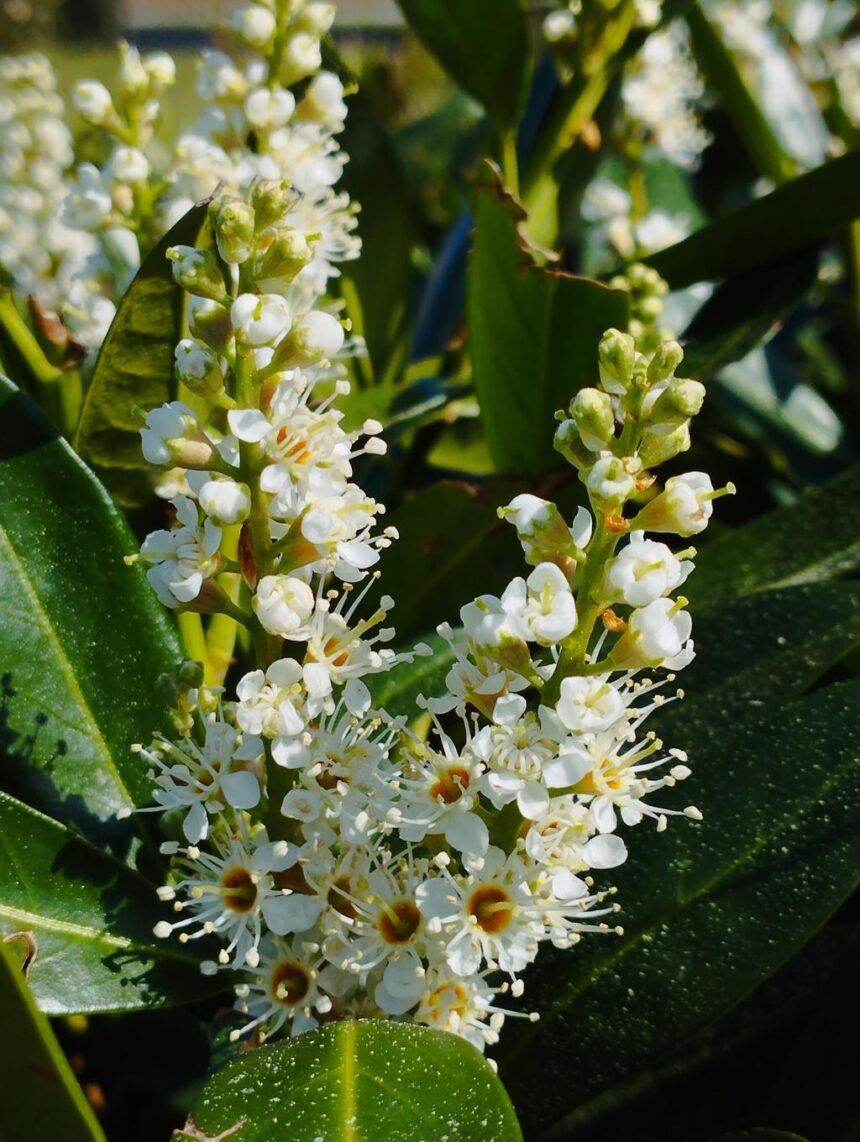
- Remedy Name: Laurocerasus
- Common Name: Cherry Laurel
- Scientific Name: Prunus laurocerasus
- Remedy Type: Plant-derived homeopathic remedy
- Preparation Base: Fresh leaves of the Cherry Laurel plant
2. Extraction & Homeopathic Preparation
Laurocerasus is prepared from the fresh leaves of Prunus laurocerasus. The mother tincture (Q) is made by processing the plant material, then potentized through serial dilution and succussion to produce homeopathic potencies such as 30C and 200C.
3. Core Sphere of Action
Laurocerasus primarily acts on:
- Respiratory System: Breathing difficulties and oxygen deficiency
- Cardiovascular System: Poor circulation and cardiac weakness
- Nervous System: Collapse states and diminished vitality
Central Theme: Weak circulation and respiratory insufficiency, with reduced overall vitality.
4. Characteristic Symptoms & Keynotes
- Shortness of breath
- Weak or irregular pulse
- Bluish lips or skin
- Cold extremities
- Cardiac weakness
- Sudden faintness or tendency to collapse
Keynote: Difficulty breathing alongside signs of poor circulation and inadequate oxygenation.
5. Key Repertory Rubrics
- Respiration – difficult
- Circulation – weakness
- Heart – weakness
- Extremities – coldness
- Generalities – collapse tendency
6. Comparative Remedies (Differential Diagnosis)
| Feature | Laurocerasus | Cactus Grandiflorus | Digitalis |
|---|---|---|---|
| Circulation | Weak | Constricted | Slow |
| Breathing | Difficult | Restricted | Weak |
| Pulse | Weak | Strong tension | Slow |
| Collapse | Marked | Mild | Moderate |
7. Therapeutic Uses in Homeopathy
Common (Acute Conditions):
- Breathlessness
- Circulatory weakness
- Fatigue with poor oxygenation
Chronic Conditions:
- Chronic respiratory weakness
- Reduced vitality
- Cardiac functional weakness
Severe Conditions (Adjunct Only):
- Advanced circulatory disorders
- Chronic cardiopulmonary conditions
Note: Use only under medical supervision for severe conditions. Homeopathic remedies should not replace emergency medical care.
8. Constitutional Portrait (Who Benefits Most)
Laurocerasus is best suited for individuals who:
- Experience breathlessness
- Have weak circulation
- Feel cold in their hands and feet
- Tire easily from exertion
- Show clear signs of reduced vitality
9. Potency & Practical Usage
| Potency | Pack Size | Clinical Role |
|---|---|---|
| 30C | 100 ml | Acute respiratory and circulatory complaints |
| 200C | 100 ml | Chronic constitutional conditions |
Dosage Guidance:
- Select potency based on symptom intensity
- Avoid unnecessary repetition
- Stop once improvement is observed
- Higher potencies should be used under professional supervision
10. Effects in Children & Seniors
Children:
- Occasionally used for selected respiratory issues
- Requires professional supervision
- Individualized dosing is best
Seniors:
- Supports circulatory comfort
- Helps maintain respiratory efficiency
- Requires careful monitoring
11. Clinical Insights
Laurocerasus is recognized for its affinity for the respiratory and circulatory systems, particularly when weak circulation leads to breathing difficulties and reduced physical stamina. Patients often report breathlessness, cold extremities, and a weak pulse. This remedy helps support circulation and optimize oxygen use throughout the body.
It is especially indicated when diminished vitality and rapid exhaustion follow even mild exertion. By strengthening cardiopulmonary function, Laurocerasus improves comfort and stamina, making it valuable in chronic states of weakness and low energy.
In clinical practice, Laurocerasus is often considered when symptoms point to poor oxygenation, such as persistent coldness, weakness, and delayed recovery from exertion. It is also helpful when circulatory insufficiency leads to poor tissue nourishment and low stamina.
This remedy helps maintain cardiopulmonary balance and, with continuous guided use, may reduce episodes of pronounced weakness and support daily functioning. Homeopathic practitioners pay attention to the pattern of combined respiratory and circulatory issues, which distinguishes Laurocerasus from remedies that address isolated lung symptoms.
12. Sample Repertorization Chart
| Rubric | Laurocerasus | Cactus G. | Digitalis |
|---|---|---|---|
| Breathlessness | 3 | 2 | 3 |
| Weak circulation | 3 | 2 | 3 |
| Cold extremities | 3 | 1 | 2 |
| Cardiac weakness | 3 | 2 | 3 |
Conclusion
Laurocerasus is a valuable homeopathic remedy for respiratory weakness, circulatory insufficiency, and low vitality—especially when breathlessness is accompanied by signs of poor circulation. It promotes better oxygen utilization, circulatory balance, and endurance, supporting those with chronic weakness and respiratory discomfort.
With proper guidance, Laurocerasus contributes to long-term cardiopulmonary health and improved quality of life. It remains a key remedy for managing conditions associated with weakness, poor circulation, and respiratory distress.