

By Homeoremedyhub.com
1. Introduction
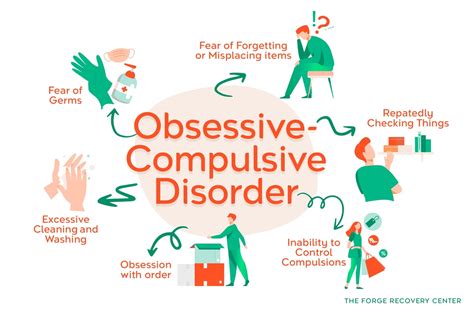
Obsessive-Compulsive Disorder (OCD) is a mental health condition characterized by repetitive thoughts, urges, or behaviours that create distress and interfere with daily life. While many people experience occasional intrusive thoughts or habits, OCD goes far beyond normal behaviour — it traps the mind in cycles of fear, doubt, and ritualistic actions. Understanding OCD from a holistic and emotional perspective allows for gentler and more individualized healing approaches, such as homeopathy.
2. What Is OCD?
Obsessive-Compulsive Disorder is a chronic anxiety-related condition where a person experiences:
- Obsessions: Recurrent, unwanted thoughts, fears, or images that cause anxiety.
- Compulsions: Repetitive behaviours or mental acts performed to relieve that anxiety.
The relief is temporary, which causes the cycle to repeat again and again.
OCD is not a personality flaw or weakness — it is a neuro-emotional imbalance involving fear circuits in the brain, emotional regulation, and stress response mechanisms.
3. Types & Real-Life Examples of Obsessive-Compulsive Disorder (OCD)
Obsessive-Compulsive Disorder (OCD) does not appear the same in everyone. It expresses itself through different patterns of obsessive thoughts and compulsive behaviours, depending on a person’s fears, emotional sensitivities, and life experiences. Below are the most common forms of OCD explained in detail:
3.1 Contamination OCD
Example 1 – Homemaker
Rina washes her hands every time she touches a doorknob, mobile phone, or grocery bag. If she cannot wash immediately, she feels panicked and distracted. Her hands often bleed in winter due to over-washing.
Characteristics:
- Highly sensitive to dirt and illness
- Strong need for cleanliness and purity
- Feels unsafe in public places
- Often avoids social contact
- Feels temporary relief after cleaning
Example 2 – Student
Arjun avoids sitting on college benches and refuses to eat outside food. He carries sanitizer everywhere and cleans his phone multiple times a day.
Characteristics:
- Fear of infection or contamination
- Avoidance behaviour
- High anxiety in shared environments
- Hyper-alert to bodily sensations
3.2 Checking OCD
Example 1 – Office Worker
Before leaving home, Suman checks the gas stove 5–6 times. Even after locking the door, he walks back to recheck. He often arrives late to work because of this.
Characteristics:
- Over-responsible
- Fear of causing harm
- High guilt sensitivity
- Difficulty trusting memory
- Feels relief only after repeated checking
Example 2 – Working Professional
Neha takes photos of her locked door and switched-off appliances so she can reassure herself later — but she still doubts them.
Characteristics:
- Perfectionist tendencies
- Fear of mistakes
- Needs certainty
- Low tolerance for uncertainty
3.3 Intrusive Thoughts OCD
Example 1 – Father of Two
Rahul suddenly gets thoughts of harming his children, even though he loves them deeply. These thoughts terrify him, and he avoids being alone with them.
Characteristics:
- Highly moral and sensitive
- Strong fear of being bad or dangerous
- Excessive guilt
- Avoidance of triggers
- Emotionally distressed by thoughts
Example 2 – Religious
Meera experiences blasphemous thoughts during prayer, which deeply disturb her. She prays more to “undo” the thoughts.
Characteristics:
- Deep value-based personality
- Fear of sin or moral failure
- High emotional sensitivity
- Suppression of thoughts increases their intensity
3.4 Order & Symmetry OCD
Example 1 – Design Student
Kunal cannot study unless his desk is perfectly arranged. If someone moves his things, he becomes anxious and distracted.
Characteristics:
- Irritability when disturbed
- Strong need for control and order
- Sensitivity to imbalance
- Perfectionistic tendencies
Example 2 – Interior Decorator
Priya rearranges cushions and decor repeatedly until they feel “right.” Even tiny misalignments bother her.
Characteristics:
- Emotional discomfort from disorder
- Aesthetic sensitivity
- Need for harmony
- Difficulty tolerating imperfection
3.5 Mental Ritual OCD
Example 1 – Business Owner
Whenever Amit has a negative thought; he repeats a mantra 10 times to cancel it. If he misses a count, he starts over.
Characteristics:
- Magical thinking patterns
- Fear of bad outcomes
- Mental rigidity
- High anxiety tolerance threshold
Example 2 – College Student
Shreya mentally reviews conversations repeatedly to ensure she did not offend anyone.
Characteristics:
- Mental over-processing
- Social sensitivity
- Fear of rejection
- Self-critical nature
4. Why OCD Is More Than a Habit
Unlike habits or preferences, OCD behaviours are:
- Driven by intense anxiety or fear
- Performed to neutralize distress, not for pleasure
- Difficult or impossible to stop voluntarily
- Interfere with daily life, time, and emotional wellbeing
The person does not enjoy these behaviours — they feel compelled to do them to reduce unbearable inner tension.
5. Symptoms & Effects of OCD
5.1 Common Symptoms
- Mental exhaustion and emotional distress
- Repetitive thoughts that feel uncontrollable
- Excessive cleaning, checking, or organizing
- Fear of making mistakes or causing harm
- Strong need for reassurance
- Avoidance of triggering situations
5.2 Impact on Daily Life
OCD can interfere with:
- Work and productivity
- Relationships and family life
- Sleep and concentration
- Social activities
- Self-esteem and emotional wellbeing
People often feel trapped, frustrated, or ashamed, even though they know their fears are irrational.
6. Causes of OCD
OCD usually develops due to a combination of biological, psychological, and environmental factors — not a single cause.
Key contributors include:
- Heightened fear response in the brain
- Difficulty tolerating uncertainty
- Emotional sensitivity
- Childhood conditioning or trauma
- Long-term stress or emotional suppression
The brain becomes overactive in detecting “danger,” even when none exists, and compulsive behaviours become a coping mechanism to regain a sense of control.
6.1 Psychological Factors
- Perfectionism
- Excessive responsibility or guilt
- Fear of losing control
- Rigid thinking patterns
- High sensitivity to criticism or failure
6.2 Environmental Factors
- Childhood trauma or emotional neglect
- Overprotective or highly critical parenting
- Sudden life changes or chronic stress
- Illness, accidents, or losses
6.3 The Combined Effect
When emotional vulnerability meets external stress, the mind creates compulsive patterns as a defense mechanism to manage fear.
7. Holistic Healing Approach
Holistic healing focuses on:
- Emotional balance
- Nervous system regulation
- Mind-body harmony
- Stress reduction
- Individualized care
Homeopathy works gently with the body’s natural healing intelligence rather than suppressing symptoms.
8. Homeopathic Remedies for OCD
Homeopathic remedies are chosen based on mental state, emotional patterns, fears, and behaviors, not just the diagnosis.
Commonly used remedies include:
- Arsenicum album – fear of contamination, perfectionism, restlessness
- Calcarea carbonica – fear of illness, slow decision-making, insecurity
- Silicea – self-doubt, fear of failure, mental rigidity
- Natrum muriaticum – suppressed emotions, silent suffering, guilt
- Lycopodium – fear of responsibility, performance anxiety
- Anacardium orientale – intrusive thoughts, inner conflict, cruelty thoughts
- Carcinosinum – perfectionism, high responsibility, childhood trauma
Each remedy addresses the root emotional pattern behind OCD.
9. Age-Wise Remedy Guide
9.1 Remedy Chart
| Age Group | Common Remedy | Indications |
| Children (5–12) | Calcarea carb, Silicea | Fearful, shy, rigid habits |
| Teens (13–18) | Lycopodium, Nat mur | Self-doubt, guilt, social fear |
| Adults (19–60) | Arsenicum, Anacardium, Carcinosinum | Perfectionism, intrusive thoughts |
| Seniors (60+) | Calcarea carb, Phosphorus | Fear of illness, insecurity |
| Remedy | Children (5–12) | Teens (13–18) | Adults (19–60) | Seniors (60+) | Typical Emotional Pattern |
| Arsenicum album | ✖ | ✔ | ✔ | ✔ | Fear of contamination, control, restlessness |
| Calcarea carbonica | ✔ | ✔ | ✔ | ✔ | Insecurity, fear of illness, dependence |
| Silicea | ✔ | ✔ | ✔ | ✔ | Timidity, fear of failure, rigidity |
| Natrum muriaticum | ✖ | ✔ | ✔ | ✔ | Silent grief, guilt, emotional withdrawal |
| Lycopodium | ✖ | ✔ | ✔ | ✔ | Fear of responsibility, performance anxiety |
| Anacardiumorientale | ✖ | ✖ | ✔ | ✔ | Intrusive thoughts, inner moral conflict |
| Carcinosinum | ✖ | ✔ | ✔ | ✖ | Perfectionism, high responsibility, trauma |
9.2 Why These Age Patterns Exist (Short Explanation)
Children (5–12)
- Emotions are simple, fears are concrete.
- Remedies like Calcarea and Silicea suit insecurity, shyness, and rigidity.
- Complex psychological remedies (Anacardium, Carcinosinum) are usually avoided.
Teenagers (13–18)
- Identity formation, self-doubt, performance pressure.
- Lycopodium, Natrum mur, Carcinosinum become relevant.
Adults (19–60)
- High responsibility, perfectionism, stress, and intrusive thoughts dominate.
- Most remedies apply depending on emotional state.
Seniors (60+)
- Fear of illness, loneliness, decline, and dependency.
- Gentle stabilizing remedies like Calcarea, Silicea, Natrum mur, and Arsenicum are preferred.
Summary
- ✔ indicates remedies commonly suitable for that age group
- ✖ indicates remedies that are not first-line for that age
- Emotional profile matters more than age — age only guides sensitivity and complexity
10. Homeopathic Remedies for OCD
10.1 Arsenicum album
Mental & Emotional Action:
Acts strongly on fear, insecurity, and perfectionism. Individuals are restless, anxious about health, order, safety, and cleanliness. They feel unsafe easily and try to control their environment.
Medical Effects:
Acts on the digestive system, nervous system, respiratory system, and skin. It regulates hypersensitivity of the nervous system and reduces anxiety-driven restlessness.
Other Common Uses:
- Food poisoning, vomiting, diarrhea
- Allergic asthma, hay fever
- Eczema with burning and itching
- Panic attacks and health anxiety
- Insomnia with restlessness
10.2 Calcarea carbonica
Mental & Emotional Action:
Stabilizes insecurity, fear of illness, and emotional dependence. Helpful for people who feel overwhelmed easily and seek routine and protection.
Medical Effects:
Acts on metabolism, bones, glands, and immunity. Supports constitutional weakness and slow adaptive responses.
Other Common Uses:
- Weak immunity, recurrent infections
- Delayed development in children
- Bone weakness, osteoporosis
- Hypothyroid tendencies
- Anxiety with fatigue
10.3 Silicea
Mental & Emotional Action:
Helps people with low confidence, fear of failure, and rigidity. Useful where mental tension and fear block emotional expression.
Medical Effects:
Acts on connective tissue, nerves, skin, and immune response. Helps chronic suppuration and nervous exhaustion.
Other Common Uses:
- Recurrent boils, abscesses
- Poor wound healing
- Brittle nails, hair fall
- Chronic sinusitis
- Social anxiety
10.4 Natrum muriaticum
Mental & Emotional Action:
Works deeply on suppressed grief, emotional wounds, silent suffering, and obsessive guilt.
Medical Effects:
Acts on nervous system, hormonal balance, headaches, and skin moisture regulation.
Other Common Uses:
- Migraine headaches
- Depression after grief or loss
- Dry skin, eczema
- PMS, hormonal imbalance
- Sleep disturbances
10.5 Lycopodium
Mental & Emotional Action:
Builds inner confidence, reduces fear of responsibility, Little things annoy, Extremely sensitive and helps performance anxiety.
Medical Effects:
Acts mainly on digestion, liver, metabolism, and nervous system.
Other Common Uses:
- Indigestion, gas, bloating
- IBS, constipation
- Liver disorders
- Stage fright, exam fear
- Erectile dysfunction (psychogenic)
10.6 Anacardiumorientale
Mental & Emotional Action:
Useful for disturbing, intrusive, or violent thoughts with inner moral conflict. Helps restore emotional integration and mental clarity.
Medical Effects:
Acts strongly on brain, memory, nervous system, and digestion.
Other Common Uses:
- Memory weakness
- ADHD-like symptoms
- Depression with irritability
- Ulcers aggravated by stress
- Emotional instability
10.7 Carcinosinum
Mental & Emotional Action:
Deep constitutional remedy for perfectionists, over-responsible individuals, and those with suppressed trauma.
Medical Effects:
Acts on nervous system, immunity, endocrine balance, and chronic disease tendencies.
Other Common Uses:
- Chronic fatigue
- Autoimmune tendencies
- Long-standing anxiety or depression
- Sleep disorders
- Stress-related hormonal issues
| Remedy | Main Mental Action | Physical Systems | Other Clinical Uses |
| Arsenicum | Fear, control, anxiety | Nerves, digestion, lungs, skin | Asthma, allergies, panic |
| Calcarea | Insecurity, dependence | Bones, immunity, metabolism | Weak immunity, thyroid |
| Silicea | Shyness, rigidity | Skin, nerves, immunity | Abscess, sinusitis |
| Nat mur | Grief, guilt | Hormones, nerves, skin | Migraine, PMS |
| Lycopodium | Performance fear | Liver, digestion, nerves | IBS, stage fright |
| Anacardium | Intrusive thoughts | Brain, nerves, digestion | Memory loss, depression |
| Carcinosinum | Trauma, perfectionism | Immunity, hormones, nerves | Chronic fatigue, autoimmune |
11. Age-Wise Remedy Guide
- Children: gentle remedies, low potency, emotional reassurance
- Teens: emotional expression, counselling support
- Adults: stress management, lifestyle balance
- Seniors: slow dose changes, physical health monitoring
General Tips for All Ages
- Maintain regular sleep
- Reduce caffeine and sugar
- Practice relaxation or meditation
- Avoid self-criticism
- Seek emotional support
12. How Homeopathy Works in OCD
Homeopathic remedies do not act in the same way as conventional medications that chemically suppress symptoms. Instead, they work by stimulating the body’s own self-regulatory and adaptive healing mechanisms, especially within the nervous system, emotional regulation centres, and stress-response pathways. OCD is fundamentally a disorder of hyper-reactive fear processing and impaired emotional inhibition, and homeopathy aims to gently recalibrate these systems.
Below is a detailed explanation of how this happens.
12.1 Regulation of the Brain’s Fear and Threat Circuits
In OCD, the brain’s fear detection system (especially the amygdala and related limbic structures) becomes overactive. It constantly sends danger signals even when no real threat exists.
This leads to:
- Persistent anxiety
- A sense of urgency
- Intrusive thoughts
- Compulsive behaviours as coping mechanisms
Homeopathic remedies help lower the baseline hyper-reactivity of this system, reducing the tendency to interpret neutral thoughts or situations as dangerous.
This results in:
- Fewer intrusive thoughts
- Reduced internal alarm response
- Less emotional reactivity to triggers
The person begins to feel safer internally, even without performing rituals.
12.2 Restoration of Emotional Self-Regulation
OCD involves a reduced ability to tolerate uncertainty and emotional discomfort. The mind seeks certainty and relief through compulsions.
Homeopathic remedies enhance the nervous system’s ability to:
- Sit with discomfort without panic
- Allow thoughts to pass without reacting
- Regain emotional stability after stress
This increases emotional resilience, meaning the individual can experience anxiety without being controlled by it.
12.3 Integration Between Logic and Emotion
In OCD, people intellectually know their fears are irrational, yet emotionally they feel compelled to act.
This creates a split:
- Logical mind says “It’s fine.”
- Emotional brain says “It’s dangerous.”
Homeopathic remedies help restore harmony between these two systems, allowing logic and emotion to cooperate again.
This reduces:
- Inner conflict
- Guilt and self-blame
- Feeling of “losing control”
12.4 Reduction of Compulsive Urges Without Suppression
Compulsions are not habits – they are attempts to relieve anxiety.
Homeopathy does not forcibly stop behaviours. Instead, by reducing the underlying anxiety, the urge for compulsions weakens naturally.
As anxiety decreases:
- The need to check, wash, or repeat diminishes
- The mind no longer demands rituals for safety
- Control becomes unnecessary because calm returns
This is why change may feel gradual but stable.
12.5 Addressing the Root Emotional Pattern
Each homeopathic remedy corresponds to a specific emotional-psychological pattern, such as:
- Fear and control (Arsenicum)
- Guilt and grief (Natrum mur)
- Perfectionism and trauma (Carcinosinum)
- Intrusive conflict thoughts (Anacardium)
By matching the remedy to the person’s unique pattern, treatment becomes individualized, not diagnosis-based.
This personalization is what allows deep and lasting change.
12.6 Supporting the Nervous System’s Stress Response
Chronic anxiety dysregulates the autonomic nervous system, keeping the body in a fight-or-flight state.
Homeopathic remedies help shift the body back toward a calm, parasympathetic state by:
- Reducing nervous over-stimulation
- Improving sleep quality
- Normalizing stress hormone responses
This allows both body and mind to heal.
13. Combination Treatment Approach
- Homeopathy + psychotherapy
- Mindfulness practices
- Supportive counselling
- Healthy routines
14. Conclusion
Obsessive-Compulsive Disorder (OCD) is not a personal weakness, a character flaw, or a lack of willpower. It is a complex condition arising from heightened fear sensitivity, emotional vulnerability, and long-term stress on the nervous system. The repetitive thoughts and behaviours seen in OCD are not chosen – they are the mind’s attempt to protect itself from perceived danger, uncertainty, or emotional discomfort.
When understood with compassion, OCD reveals itself not as a disorder of control, but as a disorder of safety. The mind becomes trapped in survival mode, constantly scanning for threats and attempting to neutralize them through rituals, checking, or mental reassurance. This creates exhaustion, frustration, and emotional suffering, often hidden behind a brave or perfectionistic outer appearance.
A holistic and individualized approach recognizes that each person’s OCD has a unique emotional root – whether it is fear of harm, fear of failure, suppressed grief, childhood conditioning, or an excessive sense of responsibility. Homeopathy supports healing by gently addressing these root patterns rather than merely suppressing outward symptoms. By calming the nervous system, restoring emotional balance, and strengthening inner resilience, it helps the mind gradually release its grip on fear and control.
True healing in OCD is not about forcing thoughts to stop, but about teaching the system that it is safe again – safe to feel, safe to be imperfect, safe to let go. With the right support, patience, and compassionate care, individuals with OCD can regain peace of mind, emotional freedom, and a healthier relationship with their thoughts.
OCD is manageable, treatable, and deeply human. And with the right guidance, healing is not only possible – it is natural.