
1. Plant Origin (Source & Identity)
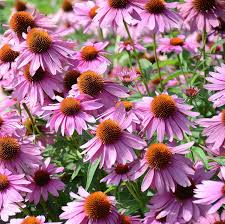
- Botanical Name: Echinacea angustifolia
- Family: Asteraceae
- Common Name: Purple Coneflower
- Natural Habitat: Native to North America, commonly found in grasslands and open fields
- Part Used: Whole fresh plant, especially roots
2. Extraction & Homeopathic Preparation
The fresh plant and roots are macerated in alcohol to create the mother tincture (Q). This tincture is then diluted and succussed in steps to produce various potencies, such as 3X and 30C.
Safety Note:
Homeopathic Echinacea is considered safe in potentized form. However, all serious infections should be managed under medical supervision.
3. Core Sphere of Action
Echinacea acts primarily on:
- Immune system: Strengthens resistance to infection
- Blood and lymphatic systems: Purifies blood and aids healing
- Skin: Addresses infections, boils, and ulcers
- General vitality: Useful in weakness following infection
Central Theme:
Immune weakness leading to heightened susceptibility to infection.
4. Characteristic Symptoms & Keynotes
- Frequent infections
- Slow-healing wounds
- Prone to skin infections and boils
- Fatigue after infections
- Enlarged lymph glands
- Tendency toward septic conditions
Keynote:
Immune weakness with recurrent infections and delayed healing.
5. Key Repertory Rubrics
- Immune system – weakness
- Skin – infections – boils
- Blood – septic conditions
- Weakness – following infection
- Lymph glands – enlarged
6. Comparative Remedies (Differential Diagnosis)
| Feature | Echinacea | Calendula | Hepar Sulph |
|---|---|---|---|
| Immune support | Strong | Moderate | Moderate |
| Infection | Marked | Local | Suppurative |
| Wound healing | Strong | Strong | Moderate |
| Septic conditions | Marked | Moderate | Strong |
7. Therapeutic Uses in Homeopathy
Common (Subacute) Conditions:
- Frequent infections
- Weak immune system
- Skin infections
Chronic Conditions:
- Chronic immune weakness
- Recurrent skin infections
- Slow-healing wounds
Severe Conditions (Adjunct Only):
- Septic conditions
- Severe infections (with medical supervision)
8. Constitutional Portrait (Who Benefits Most)
Echinacea is most suitable for individuals who:
- Have persistent or recurrent infections
- Heal slowly from wounds
- Suffer from low immunity
- Experience fatigue after infections
- Are prone to skin infections
9. Potency & Practical Usage
| Potency | Pack Size | Clinical Role |
|---|---|---|
| 3X | 100 ml | Immune support and acute infections |
| 30C | 100 ml | Chronic immune weakness and recurrent infections |
Dosage Guidance:
- 3X: For acute infections
- 30C: For chronic immune weakness and recurrent infections
- Repeat as clinically indicated; stop after improvement
10. Effects in Children & Seniors
Children:
- Supports immune system
- Helps prevent recurring infections
Seniors:
- Helps restore weak immunity
- Aids recovery after infections
- Medical supervision is advised
11. Clinical Insights
Echinacea angustifolia is a major homeopathic remedy for immune system support. It enhances resistance to infections and promotes speedier recovery, particularly in cases of repeated infections, sepsis, and slow-healing wounds. Its action spans the blood, lymphatic system, and general vitality, helping restore energy and reduce infection frequency.
Serious infections always require thorough medical assessment and supervision.
12. Sample Repertorization Chart
| Rubric | Echinacea | Calendula | Hepar Sulph |
|---|---|---|---|
| Immune weakness | 3 | 2 | 2 |
| Septic conditions | 3 | 2 | 3 |
| Skin infections | 3 | 3 | 3 |
| Slow healing | 3 | 3 | 2 |
| Recurrent infections | 3 | 2 | 2 |
Conclusion
Echinacea angustifolia is an important homeopathic remedy for immune support and infection resistance. Available in 3X and 30C potencies in 100 ml packs, it helps strengthen immunity, improve healing, and reduce susceptibility to infections. When used properly, Echinacea supports overall health and recovery.
Echinacea angustifolia also reflects the homeopathic principle of enhancing the body’s natural defense mechanisms rather than directly suppressing symptoms. Patients who benefit from this remedy often experience recurrent infections, slow wound healing, or general weakness following illness. By gently supporting immune responsiveness and improving the body’s ability to resist pathogenic influences, Echinacea contributes to more complete and sustained recovery. Proper case assessment, appropriate potency selection, and supportive measures such as adequate nutrition, hygiene, and medical supervision further enhance its effectiveness. When used judiciously, Echinacea angustifolia remains a dependable remedy for promoting immune resilience and maintaining long-term health stability. Its timely use can help restore vitality, improve resistance to future infections, and support overall constitutional strength.