
1. Source Origin & Identity
- Remedy Name: China Sulphurica
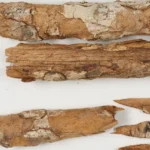
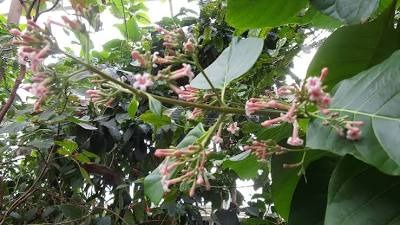
- Base Plant: Cinchona officinalis (Peruvian bark)
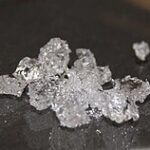
- Mineral Component: Sulphur
- Family: Rubiaceae
- Kingdom: Plant–mineral combination
- Part Used: Cinchona bark combined with Sulphur
2. Extraction & Homeopathic Preparation
The dried bark of Cinchona is used to create a mother tincture, which is then combined with triturated Sulphur. This mixture undergoes serial dilution and succussion as per official homeopathic pharmacopoeia, producing safe, potentized remedies.
Safety Note:
Crude Sulphur and quinine derivatives are toxic, but homeopathic potencies are highly diluted, rendering them safe and non-toxic.
3. Core Sphere of Action
China Sulphurica primarily acts on:
- Blood and circulation
- Digestive system
- Metabolism
- Vital force
- Periodic disease patterns
Central Theme:
Persistent debility and weakness after fluid loss, with incomplete recovery and tendency to relapse.
4. Characteristic Symptoms & Keynotes
- Weakness following diarrhea, sweating, or hemorrhage
- Only partial recovery, followed by relapse
- Abdominal fullness and marked flatulence
- Sensitivity to drafts
- Periodic nature of complaints
- Intolerance of heat with weakness
- Poor stamina despite apparent improvement
Keynote:
Debility that fails to fully recover.
5. Key Repertory Rubrics
- Generalities: Weakness after loss of fluids
- Generalities: Relapse following improvement
- Abdomen: Distension with flatulence
- Fever: Intermittent, with lingering weakness
- Vitality: Low
6. Comparative Remedies (Differentials)
| Feature | China Sulph. | China Off. | Sulphur |
|---|---|---|---|
| Weakness | Persistent | Marked | Variable |
| Reaction | Incomplete | Poor | Excessive |
| Relapse tendency | Strong | Moderate | Mild |
| Heat sensitivity | Moderate | Mild | Strong |
| Flatulence | Marked | Marked | Moderate |
7. Therapeutic Uses in Homeopathy
Common (Subacute Conditions):
- Weakness after prolonged diarrhea
- Post-fever exhaustion
- Digestive debility with flatulence
Chronic Conditions:
- Chronic anemia with recurring weakness
- Recurrent malarial states
- Failure to recover after long illnesses
Severe Conditions (Adjunctive Use Only):
- Post-infectious collapse
- (Requires medical supervision)
8. Constitutional Portrait (Indications)
China Sulphurica is suited to those who:
- Recover slowly after illness
- Relapse easily despite apparent improvement
- Experience weakness aggravated by heat
- Have periodic or relapsing diseases
- Are chronically debilitated with low stamina
9. Potency & Usage Guidance
| Potency | Pack Size | Clinical Role |
|---|---|---|
| 200C | 100 ml | Chronic relapsing weakness |
- Indication: Chronic, relapsing weakness
- Dosage: Single or infrequent doses with long observation intervals; avoid repetition during improvement.
10. Effects in Children & Seniors
Children:
- Failure to regain strength after diarrhea
- Recurrent episodes of weakness
Seniors:
- Chronic anemia
- Lingering fatigue after illness
- Digestive insufficiency
Close monitoring is important in these groups.
11. Clinical Insights
China Sulphurica is particularly valuable when China officinalis alone yields only temporary or partial improvement. Patients may initially regain strength but soon relapse, indicating insufficient vitality. The addition of Sulphur enhances the metabolic and restorative response without causing overstimulation, as may occur with Sulphur alone.
Especially useful in post-malarial states, prolonged convalescence, and repeated exhaustion from fluid loss, China Sulphurica promotes more sustained stamina, fewer relapses, and better digestive tolerance. Doses must be carefully spaced to avoid aggravation.
12. Sample Repertorization Chart
| Rubric | China Sulph. | China | Sulphur |
|---|---|---|---|
| Weakness – fluid loss | 3 | 3 | 1 |
| Relapse tendency | 3 | 2 | 1 |
| Flatulence | 3 | 3 | 2 |
| Periodicity | 2 | 3 | 1 |
| Heat sensitivity | 2 | 1 | 3 |
Conclusion
China Sulphurica occupies an important intermediate position between China officinalis and Sulphur. Its greatest strength lies in addressing cases where recovery remains incomplete and vitality fluctuates. By combining restorative nourishment with gentle metabolic stimulation, it supports sustained convalescence without overtaxing weakened systems.
When prescribed in appropriate potency with careful observation, China Sulph. can reduce relapse frequency, improve endurance, and stabilize digestion. Because such cases often involve long-term depletion, integration with nutritional support, rest, and medical supervision is essential. Used judiciously, China Sulph. remains a valuable remedy for rebuilding vitality and maintaining long-term functional balance.
China Sulphurica also reflects the homeopathic understanding that true recovery is a gradual process rather than an abrupt return of strength. In patients who experience alternating periods of improvement and exhaustion, this remedy helps smooth fluctuations and promotes steadier functional balance. By gently supporting metabolism and assimilation, it allows the organism to regain resilience at its own pace. When combined with attentive follow-up and lifestyle guidance, China Sulph. demonstrates how a carefully chosen intercurrent remedy can play a meaningful role in restoring long-term health and preventing repeated breakdowns.