
1. Source Origin & Identity
- Remedy Name: Causticum
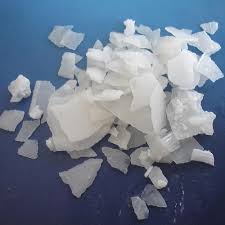
- Chemical Origin: Prepared from potassium hydrate, which is produced by reacting potassium carbonate with freshly slaked lime
- Kingdom: Chemical (neither plant nor animal)
- Nature: Artificially synthesized compound
- Part Used: Potentized chemical substance
2. Extraction & Homeopathic Preparation
Causticum is made by distilling a mixture of potassium carbonate and freshly slaked lime. The resulting distillate is collected, triturated, and then potentized through serial dilution and vigorous shaking (succussion) as per classical homeopathic pharmacopeia.
Safety Note:
The crude compound is highly caustic and corrosive. Only potentized (highly diluted) forms are used medicinally in homeopathy.
3. Core Sphere of Action
Causticum primarily influences:
- The nervous system
- Muscles and tendons
- Mucous membranes
- Skin
- Urinary tract
Central Theme:
Gradual, progressive weakness often accompanied by paralysis-like symptoms and a strong sense of emotional idealism.
4. Characteristic Symptoms & Keynotes
- Gradually increasing muscular weakness
- Partial paralysis (face, vocal cords, bladder)
- Hoarseness or loss of voice
- Involuntary urination due to muscle weakness
- Burning, neuralgic pains
- Warts and other skin growths
- Marked sympathy and concern for others
Keynote:
“Slowly progressive weakness with loss of control.”
5. Key Repertory Rubrics
- Paralysis – partial
- Voice – hoarseness
- Urination – involuntary
- Skin – warts
- Mind – excessive sympathy
6. Comparative Remedies(Differentials)
| Feature | Causticum | Gelsemium | Conium |
|---|---|---|---|
| Weakness | Progressive | Sudden | Gradual |
| Paralysis | Functional | Functional | Structural |
| Voice loss | Marked | Mild | Absent |
| Emotional state | Idealistic | Fearful | Indifferent |
7. Therapeutic Uses in Homeopathy
Common (Subacute Conditions)
- Hoarseness, laryngitis
- Facial muscle weakness
- Urinary leakage from weakness
Chronic Conditions
- Bell’s palsy
- Post-stroke weakness
- Chronic muscular debility
- Persistent nerve pain
Severe Conditions (Adjunctive Only)
- Progressive neurological weakness (always under medical supervision)
8. Constitutional Portrait (Who Benefits Most)
Causticum is especially suited to individuals who:
- Are sympathetic, sensitive, and idealistic
- Are deeply disturbed by injustice
- Have a tendency to suppress emotions
- Develop gradual weakness following emotional stress
- Are often described as “the humanitarian patient”
9. Potency & Practical Usage
| Potency | Pack Size | Clinical Role |
|---|---|---|
| 6C | 100 ml | Mild weakness, early nerve symptoms |
| 30C | 100 ml | Subacute paralysis, hoarseness |
| 200C | 100 ml | Chronic neurological weakness |
| 1M | 60 ml | Deep constitutional cases |
| 10M | 30 ml | Long-standing progressive states |
| 50M | 30 ml | Advanced constitutional prescribing |
| CM | 30 ml | Expert-level constitutional use |
Dosage Guidance:
- Acute/subacute: Short-term, repeated dosing as needed
- Chronic/constitutional: Infrequent dosing
- Always discontinue upon sustained improvement
10. Effects in Children & Seniors
Children:
- Delayed speech due to weakness
- Bed-wetting from bladder muscle weakness
Seniors:
- Post-stroke paralysis
- Chronic neurological weakness
- Persistent hoarseness
- Regular follow-up is advised
11. Clinical Insights
Causticum is a key remedy for slow, progressive neurological weakness without significant tissue destruction. Unlike Conium, which suits cases of hardening and degeneration, Causticum treats functional paralysis and nerve exhaustion, with a focus on loss of power rather than sensation. It is particularly helpful after prolonged emotional strain, grief, or moral conflict. Clinical improvement is gradual, with better muscle control, clearer speech, improved bladder function, and emotional relief. Due to its deep and constitutional action, careful, patient observation is essential to avoid overuse.
12. Sample Repertorization Chart
| Rubric | Causticum | Gelsemium | Conium |
|---|---|---|---|
| Paralysis – partial | 3 | 2 | 3 |
| Voice – hoarseness | 3 | 1 | 0 |
| Urination – involuntary | 3 | 1 | 0 |
| Weakness – progressive | 3 | 2 | 3 |
| Sympathy – excessive | 3 | 0 | 0 |
Conclusion
Causticum occupies a central role in homeopathy for conditions involving progressive loss of muscular and nervous control. Its strength lies in addressing functional paralysis rather than structural damage, making it especially valuable in post-stroke recovery, nerve exhaustion, and chronic weakness following emotional strain. Beyond physical symptoms, Causticum addresses the deep emotional sensitivity and suppressed moral stress often present in such patients.
When prescribed with appropriate potency and sufficient observation intervals, Causticum can bring steady improvement in strength, coordination, and emotional balance. Due to its deep constitutional action, it should be used thoughtfully under professional supervision, ideally integrated with conventional neurological care when required.