

1. Source Origin & Identity
- Remedy Name: Carbo vegetabilis
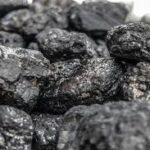
- Common Name: Vegetable charcoal
- Kingdom: Plant
- Natural Source: Charred hardwood (beech, birch, willow)
- Part Used: Purified vegetable charcoal
2. Extraction & Homeopathic Preparation
- Selected hardwood undergoes controlled burning in low-oxygen conditions to produce vegetable charcoal.
- The resulting charcoal is finely powdered and triturated with lactose to make lower potencies.
- Further serial dilution and succussion are performed in accordance with homeopathic pharmacopeial standards to obtain higher (centesimal) potencies.
Safety Note: Crude charcoal is inert; only homeopathically potentized Carbo vegetabilis is used therapeutically.
3. Core Sphere of Action
- Circulatory and venous systems
- Digestive tract
- Respiratory system
- Vital force (general vitality)
Central Theme:
Collapse, venous stagnation, and lack of vital reaction.
4. Characteristic Symptoms & Keynotes
- Profound weakness and collapse
- Marked coldness, especially of extremities
- Craving for air; desires to be fanned constantly
- Bluish discoloration (cyanosis)
- Offensive discharges
- Excessive flatulence with abdominal distension
- Sluggish or slow response to illness
Keynote:
Almost lifeless, yet craves air.
5. Key Repertory Rubrics
- Generalities: Collapse
- Circulation: Venous stagnation
- Coldness: Extremities
- Desire: Air
- Discharges: Offensive
6. Comparative Remedies (Differential Diagnosis)
| Feature | Carbo veg | Arsenicum | Carbo an |
|---|---|---|---|
| Collapse | Marked | Moderate | Mild |
| Coldness | Extreme | Moderate | Mild |
| Desire for air | Strong | Mild | Absent |
| Anxiety | Minimal | Severe | Minimal |
| Induration | Rare | Rare | Marked |
7. Therapeutic Uses in Homeopathy
Common Acute Indications:
- Collapse following illness
- Digestive flatulence and distension
- Weak circulation
- Cyanosis
Chronic Indications:
- Chronic venous insufficiency
- Digestive debility
- Prolonged respiratory weakness
- Delayed recovery post-illness
Severe Conditions (Adjunct Only):
- Septic states
- Advanced collapse
- Terminal stages of illness
8. Constitutional Portrait (Who Benefits Most)
Best suited for individuals who:
- Are exhausted and feeble
- Suffer from poor circulation and internal coldness
- Recover slowly from illnesses
- Are elderly, septic, or in terminal states
9. Potency & Practical Usage
| Potency | Pack Size | Clinical Role |
|---|---|---|
| 3X | 100 ml | Digestive gas, mild collapse |
| 30C | 100 ml | Acute weakness, venous stasis |
| 200C | 100 ml | Chronic collapse states |
| 1M | 60 ml | Deep constitutional exhaustion |
Dosage Guidelines:
- In acute collapse: Short, frequent dosing
- In chronic cases: Less frequent administration
- Discontinue once warmth and vitality return
10. Effects in Children & Seniors
Children:
- Profound weakness after illness
- Severe digestive flatulence
Seniors:
- Venous congestion
- Cyanosis
- Chronic exhaustion
11. Clinical Insights
Carbo vegetabilis is a cornerstone remedy for collapse and venous stagnation, particularly when the patient exhibits little to no reactive vitality. Unlike Arsenicum (anxious, restless), Carbo veg patients are characteristically indifferent, extremely weak, and almost lifeless, with a striking desire for fresh air and being fanned, even when cold.
It is frequently used in the late stage of diseases, when the system is depleted and recovery is slow. Signs of improvement include return of warmth, improved circulation, reduced cyanosis, and gradual strength restoration. Carbo vegetabilis serves a vital supportive role, especially when the body’s reactive powers are nearly exhausted.
12. Sample Repertorization Chart
| Rubric | Carbo veg | Arsenicum | Carbo an |
|---|---|---|---|
| Collapse | 3 | 2 | 1 |
| Coldness | 3 | 2 | 1 |
| Desire for air | 3 | 1 | 0 |
| Venous stagnation | 3 | 2 | 2 |
| Offensive discharge | 3 | 2 | 2 |
Conclusion
Carbo vegetabilis remains one of the most critical remedies in homeopathy for states of collapse, venous congestion, and exhausted vitality. Its action focuses on restoring circulation and reviving the vital force when the organism is no longer able to respond adequately. Especially valuable in elderly, septic, or late-stage conditions, Carbo vegetabilis supports gradual recovery by improving oxygenation, warmth, and strength. Correct potency selection and timely use are essential, as its effectiveness depends on recognizing the absence of reaction rather than active inflammation. When used responsibly alongside conventional medical care, Carbo vegetabilis can be life-saving.When used responsibly alongside conventional medical care, Carbo vegetabilis can be life-saving, particularly in cases where profound weakness, coldness, and circulatory failure threaten the patient’s survival and demand immediate constitutional support.