

By Homeoremedyhub.com
Introduction
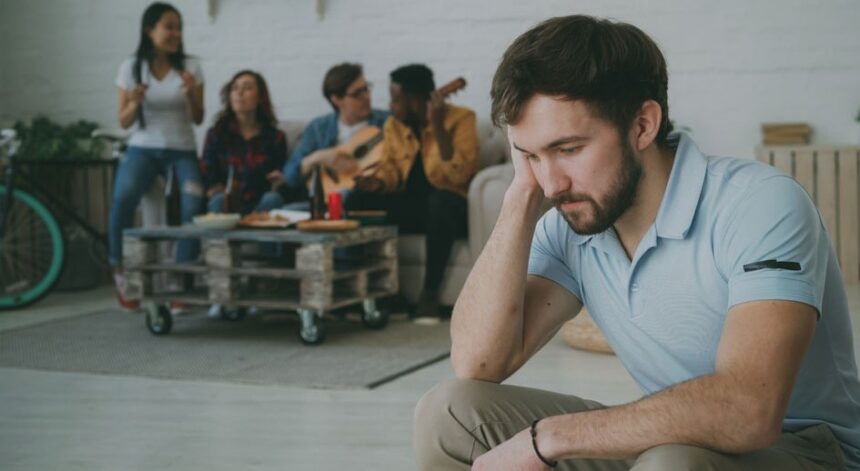
Social Anxiety Disorder, also known as Social Phobia, is more than just shyness. It is a persistent and intense fear of being judged, embarrassed, or negatively evaluated by others in social or performance situations. This fear can become so strong that it interferes with daily life — affecting work, relationships, education, and overall well-being.
People with social anxiety often want to connect with others, but their mind and body react with overwhelming fear in social settings, making even simple interactions feel distressing.
A person with social anxiety:
• Feels a strong fear of being judged or embarrassed, even when no one is actually judging them.
• Knows logically that the fear is unnecessary, but cannot control the physical and emotional reaction.
• Often wants to participate socially, but fear stops them from doing so comfortably.
• Experiences anxiety so strong that it interferes with work, studies, and relationships.
So the problem is not a lack of desire to socialize, but an overactive fear response in the nervous system.
Real-Life Examples
Example 1: At the Workplace
Rohit is a capable employee, but when he has to speak in a meeting, his heart races, his hands tremble, and his mind goes blank.
Even though he knows his ideas are good, he avoids speaking because he fears people will think he is stupid or make fun of him.
➡ This is social anxiety, not lack of knowledge.
Example 2: In a Classroom
Anita knows the answer to a teacher’s question, but she doesn’t raise her hand because she fears saying something wrong and being laughed at.
➡ The fear of embarrassment controls her behaviour.
Example 3: At a Social Gathering
Amit is invited to a friend’s wedding. He wants to go, but the thought of talking to relatives, meeting strangers, and being noticed makes him anxious. He eventually makes an excuse and stays home, then feels lonely and sad.
➡ The desire for connection is there, but anxiety blocks it.
Example 4: Online Meetings / Video Calls
During online meetings, Neha keeps her camera off and avoids speaking because she feels others are watching and judging her appearance or voice.
➡ Even virtual social situations can trigger social anxiety.
🧠 What Is Social Anxiety Disorder?
Social Anxiety Disorder is a type of anxiety disorder characterized by excessive self-consciousness and fear of social situations, especially those where a person feels observed, evaluated, or judged.
Common feared situations include:
• Speaking in meetings or public
• Meeting new people
• Attending social gatherings
• Eating or writing in front of others
• Talking to authority figures
The anxiety is not proportional to the actual threat and continues even when the person knows the fear is irrational.
Common Symptoms
Emotional & Psychological
• Intense fear of being embarrassed or humiliated
• Fear of being judged, criticized, or rejected
• Persistent worry before upcoming social events
• Avoidance of social situations
• Low self-confidence
Physical
• Blushing
• Sweating
• Trembling or shaking
• Rapid heartbeat
• Dry mouth
• Nausea or stomach discomfort
• Shortness of breath
How It Affects Daily Life
Social anxiety can lead to:
• Avoidance of career opportunities
• Difficulty forming friendships or romantic relationships
• Loneliness and isolation
• Poor academic or professional performance
• Increased risk of depression or substance dependence
Left untreated, it can gradually shrink a person’s world.
Social Anxiety Disorder does not only affect how a person feels — it strongly influences how they live, decide, behave, and grow. Over time, fear begins to control choices, and life becomes organized around avoiding discomfort rather than pursuing happiness or progress.
Below is how each area of life is impacted:
💼 Avoidance of Career Opportunities
People with social anxiety often avoid:
• Promotions that require presentations or leadership
• Jobs involving teamwork, meetings, or customer interaction
• Interviews, networking events, or public speaking
Example:
A qualified employee may reject a higher role simply because it requires speaking in meetings — even though they deserve it.
➡ Career growth becomes limited not by ability, but by fear.
💞 Difficulty Forming Relationships
Social anxiety can make:
• Starting conversations very stressful
• Expressing feelings extremely difficult
• Dating or meeting new people feel terrifying
As a result:
• People may stay single even when they want companionship
• Misunderstandings occur because they appear distant or uninterested
• Emotional needs remain unmet
➡ This can lead to chronic loneliness even while craving connection.
🏠 Loneliness and Social Isolation
Avoidance becomes a habit:
• Saying “no” to invitations
• Staying home to feel safe
• Limiting social circles
Gradually, the person’s world becomes smaller:
From friends → to a few people → to maybe only family → sometimes no one.
➡ The fear reduces social contact, but the lack of connection increases sadness.
📚 Poor Academic or Professional Performance
Social anxiety affects:
• Class participation
• Group projects
• Asking questions or seeking help
• Speaking in exams or presentations
Even if the person is intelligent, anxiety blocks performance.
➡ Potential is present, but expression is suppressed.
🧠 Increased Risk of Depression or Substance Dependence
When a person:
• Feels stuck
• Feels misunderstood
• Feels lonely and ashamed of their fear
They may develop:
• Depression from long-term isolation
• Low self-worth
• Use alcohol, smoking, or drugs to feel relaxed socially
➡ This creates a secondary problem on top of anxiety.
“It Shrinks a Person’s World” — What That Means
Left untreated, social anxiety slowly reduces life to only what feels emotionally safe.
At first:
• Avoid a party
Then:
• Avoid meetings
Then:
• Avoid new people
Then:
• Avoid leaving home except when necessary
The world becomes:
• Smaller
• Quieter
• Lonelier
• Less fulfilling
Not because the person wants it — but because fear has taken control.
Important Truth
Social Anxiety Disorder:
• Is not laziness
• Is not attitude
• Is not personality
It is a condition of fear, and fear can be healed.
With proper emotional support, therapy, gentle exposure, and holistic care, the world can slowly become open again.
🌱 Why Does Social Anxiety Develop?
It often results from a combination of:
• Biological factors: Sensitive nervous system, genetic predisposition
• Psychological factors: Low self-esteem, perfectionism, fear of rejection
• Environmental factors: Childhood criticism, bullying, overprotective parenting, or traumatic social experiences
🧬 1. Biological Factors
Some people are naturally more sensitive to stress and social stimuli. This is often influenced by genetics or the nervous system.
• Genetic predisposition: If a parent or close relative has anxiety or social phobia, the child may have a higher risk.
• Brain chemistry: Differences in neurotransmitters like serotonin or dopamine can affect mood regulation and fear response.
• Nervous system sensitivity: Some individuals react more strongly to social threats, even when they are harmless.
Example:
Riya notices her heart racing and palms sweating even at small gatherings. Her brother shows similar anxious tendencies, suggesting a family link.
🧠 2. Psychological Factors
A person’s thought patterns and personality traits can contribute to social anxiety.
• Low self-esteem: Constant self-doubt makes social evaluation feel threatening.
• Perfectionism: Fear of making mistakes or not appearing “perfect” in front of others increases anxiety.
• Fear of rejection: Even minor criticism feels like a huge personal failure.
• Past experiences of embarrassment: Replaying moments of humiliation can reinforce fear.
Example:
Aman avoids answering questions in class because he believes even a small mistake will make everyone think he is stupid.
🌍 3. Environmental Factors
The environment a person grows up in also plays a big role.
• Childhood criticism: Constant judgment from parents or teachers can make a child fearful of social interactions.
• Bullying or teasing: Negative experiences with peers can leave lasting emotional scars.
• Overprotective parenting: Children who are shielded from social challenges may not develop coping skills.
• Traumatic social events: Embarrassment, public humiliation, or rejection during formative years can trigger long-term anxiety.
Example:
Neha was laughed at in a school performance. Since then, she avoids all public speaking, fearing similar humiliation.
The Combined Effect
Usually, these factors interact:
• A genetically sensitive nervous system + perfectionist tendencies + childhood teasing = heightened risk for social anxiety.
• Even small social situations can trigger intense fear, making the person avoid social contact, which reinforces anxiety over time.
🌿 Natural & Holistic Approach to Healing
At Homeoremedyhub.com, we believe in gentle, individualized healing that supports both the mind and body, rather than just suppressing symptoms. Social Anxiety Disorder is not a weakness — it is a signal that the nervous system and mind need care, understanding, and balance.
Our approach focuses on natural, holistic methods that address the root causes of anxiety, including emotional, mental, and physical factors. Healing is gradual, compassionate, and empowering.
🌱 1. Homeopathic Support
Homeopathy works by stimulating the body’s natural ability to balance emotions and reduce fear. Remedies are chosen based on individual symptoms, personality, and emotional state, not just the condition itself.
Homeopathic Remedies for Social Anxiety Disorder
Some commonly used remedies (only under professional guidance):
• Lycopodium — fear of public speaking but capable once started
• Gelsemium — anticipatory anxiety, trembling before events
• Silicea — fear of exposure, low confidence
• Argentum nitricum — anxiety before performances or examinations
Remedy selection depends on the individual’s personality, emotional pattern, and physical symptoms.
Homeopathic Remedy Chart
| Homeopathic Remedy | Common Symptoms / Indications | Children (5–12 yrs) | Teenagers (13–19 yrs) | Adults (20–60 yrs) | Seniors (60+ yrs) |
|---|---|---|---|---|---|
| Lycopodium | Fear of public speaking; feels nervous but capable once started; lack of confidence initially | ✗ | ✓ | ✓ | ✗ |
| Gelsemium | Anticipatory anxiety; trembling, weakness, or dizziness before events; fear of social situations | ✗ | ✓ | ✓ | ✓ |
| Silicea | Fear of exposure; shyness; low confidence; difficulty facing new people | ✓ | ✓ | ✓ | ✗ |
| Argentum nitricum | Anxiety before exams, performances, or presentations; impatience; restlessness | ✓ | ✓ | ✓ | ✗ |
✅ How to Read This Chart
• ✓ = Commonly recommended for this age group (under professional guidance)
• ✗ = Not typically used for this age group
💡 Notes:
- Age ranges are general guidance — the remedy choice should always depend on individual symptoms, temperament, and homeopathic consultation.
- Remedies can overlap across age groups depending on the situation (e.g., Gelsemium may be used for teenagers or seniors).
- Homeopathy works best when the emotional and physical symptoms are matched to the person, not just the age.
1. Lycopodium clavatum
Indications for Social Anxiety:
• Fear of public speaking or performing in front of others
• Low self-confidence initially, but capable once the task begins
• Hesitation or mental blocks when under observation
• Tends to overcompensate later with assertiveness
Who It Helps:
• Teenagers and adults struggling with stage fright, presentations, or workplace anxiety
• People who fear being judged, but can perform well once they start
How It Works:
• Strengthens confidence and reduces fear of social scrutiny
• Helps calm the mind before speaking or interacting socially
2. Gelsemium sempervirens
Indications for Social Anxiety:
• Trembling, weakness, or dizziness before social events
• Anticipatory anxiety (fear before an event even starts)
• Feeling “paralyzed” or heavy before speaking or performing
• Shyness that prevents active participation
• Desire to being alone
Who It Helps:
• Teenagers, adults, and seniors facing exams, presentations, or public events
• People who experience nervousness, blushing, or mental blanking before social situations
How It Works:
• Reduces physical and mental symptoms of anticipatory fear
• Calms trembling, heaviness, and worry about social judgment
3. Silicea (Silica)
Indications for Social Anxiety:
• Extreme shyness or fear of exposure
• Nervous and excitable
• Low self-confidence; avoids social situations
• Hesitation to express thoughts or feelings
• Timid, self-conscious, and sensitive to criticism
Who It Helps:
• Children who are obstinate, shy, or avoid social interactions
• Teenagers struggling with self-esteem issues
• Adults with long-standing fears of social judgment
How It Works:
• Builds inner courage and resilience
• Helps overcome fear of being watched or judged
• Improves self-confidence over time
4. Argentum nitricum (Silver Nitrate)
Indications for Social Anxiety:
• Anxiety before exams, performances, or competitions
• Restlessness, impatience, and nervous anticipation
• Mental pressure and rushing thoughts
• Fear of failure or making mistakes in public
Who It Helps:
• Children and teenagers facing school exams or public performances
• Young adults with performance anxiety in work, sports, or arts
How It Works:
• Calms anticipatory anxiety and mental agitation
• Helps focus and manage nervous energy before stressful events
💡 Important Notes for All Remedies
- Remedies are highly individualized — the best choice depends on emotional state, personality, and specific physical symptoms, not just age.
- Homeopathic treatment works best under guidance of a qualified homeopath.
- These remedies support emotional balance and gradually reduce social anxiety, but lifestyle changes and gentle social exposure are often necessary for long-term results.
Age-Wise Safety Tips for Social Anxiety
👶 Children (5–12 years)
• Encourage small, safe social interactions (playdates, group activities)
• Avoid forcing public speaking or social performance; allow gradual exposure
• Praise efforts, not only outcomes, to build confidence
• Teach simple breathing exercises for calming nerves
• Limit excessive screen time or online social comparisons
• Watch for withdrawal or school avoidance, and seek guidance if persistent
🧑 Teenagers (13–19 years)
• Encourage participation in clubs, team activities, or creative arts to practice social skills
• Avoid harsh criticism; focus on constructive guidance
• Introduce mindfulness or meditation exercises for anxiety management
• Limit caffeine and high-sugar snacks before school or exams
• Encourage journaling or sharing feelings with trusted adults or peers
• Seek professional support if anxiety interferes with school performance or friendships
👩 Adults (20–60 years)
• Practice gradual exposure to social situations, starting with smaller groups
• Use stress management techniques: yoga, meditation, or breathing exercises
• Maintain regular sleep, exercise, and balanced nutrition
• Avoid excessive alcohol or stimulants to cope with anxiety
• Seek professional help for career or relationship-related anxiety
• Join support groups or therapy sessions if needed
👵 Seniors (60+ years)
• Encourage social engagement with family, friends, or community groups
• Avoid isolation; schedule regular social activities
• Monitor physical health, as anxiety can worsen heart rate, blood pressure, or sleep issues
• Use gentle relaxation techniques like guided meditation, light walking, or music therapy
• Seek counseling if anxiety limits independence or daily functioning
General Tips for All Ages
• Recognize triggers and plan coping strategies
• Encourage open communication about fears and emotions
• Avoid judgment; provide support and reassurance
• Combine lifestyle, holistic remedies, and professional support for best results
How Homeopathic Remedies Work for Social Anxiety
Homeopathy does not just “mask” symptoms. Instead, it works by stimulating the body’s natural ability to heal itself, gently balancing the mind, emotions, and nervous system.
For Social Anxiety Disorder, the goal is to reduce fear, nervous tension, and anticipatory worry, so the person can feel confident and calm in social situations.
1. Acting on Emotional Patterns
Homeopathic remedies are chosen based on the individual’s emotional and mental state. For example:
• Lycopodium targets fear of public speaking but supports confidence once the task starts.
• Gelsemium addresses anticipatory anxiety and trembling before social events.
• Silicea helps shy or timid individuals face exposure confidently.
• Argentum nitricum reduces nervous tension before exams, performances, or presentations.
By matching the remedy to the specific emotional pattern, the nervous system learns to respond with calm instead of fear.
2. Calming the Nervous System
Anxiety triggers the fight-or-flight response, releasing stress hormones like adrenaline. Homeopathy helps:
• Reduce the intensity of physical symptoms like trembling, sweating, rapid heartbeat, or dizziness
• Normalize the body’s response to social stress
• Restore mental clarity and focus even in stressful situations
3. Gradual Behavioral Support
Homeopathic treatment supports confidence-building over time, allowing people to:
• Participate in social interactions gradually
• Experience success in small social situations
• Reduce avoidance and fear naturally
This gradual effect strengthens self-trust and resilience, which is essential for long-term improvement.
4. Individualized Healing
No two people experience social anxiety in exactly the same way. Homeopathy:
• Focuses on personal symptoms, not just the diagnosis
• Balances both mind and body simultaneously
• Works gently, without sedation or harmful side effects
Combination Approach for Best Results
Social Anxiety Disorder is multi-dimensional — it affects the mind, body, and emotions simultaneously. That’s why the most effective results come from a combination of approaches, rather than relying on a single method. At Homeoremedyhub.com, we emphasize gentle, holistic, and individualized care.
2. Mind-Body Practices
• Breathing exercises (diaphragmatic or box breathing) to calm the nervous system
• Meditation & mindfulness for present-moment awareness and reduced self-criticism
• Gentle yoga or stretching to release physical tension
• Visualization & guided imagery to imagine positive social outcomes
Mind-body practices strengthen resilience and reduce the physical impact of anxiety
3. Gradual Social Exposure
• Start with safe, low-pressure interactions (talking to family, friends, or small groups)
• Gradually increase to larger social settings or public speaking
• Helps the mind learn that social situations are safe, reducing avoidance patterns
• Builds confidence and social skills naturally
5. Lifestyle & Nutrition
• Adequate sleep, hydration, and balanced diet to support nervous system health
• Limit caffeine, sugar, and stimulants that can worsen anxiety
• Regular exercise to release stress hormones naturally
• Journaling to identify triggers and track progress
Why Combination Works Best
• Homeopathy addresses internal emotional patterns
• Mind-body exercises regulate physical responses
• Social exposure builds practical confidence
• Therapy and counseling strengthen cognitive coping strategies
• Lifestyle changes support overall resilience
This multi-layered approach ensures that treatment is gentle, sustainable, and long-lasting, rather than just temporarily masking symptoms.