
1. Source Origin (Source & Identity)
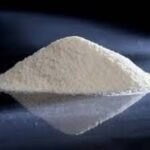
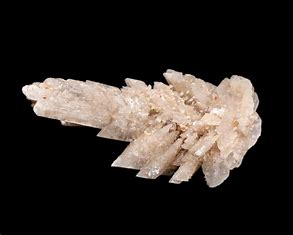
- Chemical Identity: Calcium sulphate
- Kingdom: Mineral
- Natural Source: Gypsum
- Part Used: Purified mineral compound
- Source Clarification:
- Mineral-based remedy; correct images feature gypsum or samples of calcium sulphate.
2. Extraction & Homeopathic Preparation
- Prepared by triturating calcium sulphate, followed by centesimal potentization.
3. Core Sphere of Action
- Skin
- Suppuration
- Tissue repair
- Central Theme: Delayed healing after inflammation
4. Characteristic Symptoms & Keynotes
- Thick, yellow discharge
- Non-healing wounds
- Chronic suppuration
- Keynote: “Healing stalls after discharge begins.”
5. Key Repertory Rubrics
- Suppuration – chronic
- Healing – delayed
6. Comparative Remedies
| Feature | Calc-sulph | Hepar |
|---|---|---|
| Discharge | Persistent | Acute |
| Healing | Slow | Rapid |
7. Therapeutic Uses
- Common: Chronic skin discharge
- Chronic: Non-healing ulcers
- Severe (Adjunctive): Chronic abscess
8. Constitutional Portrait
- Poor tissue repair
- Low resistance
9. Potency & Practical Usage
| Potency | Pack Size | Clinical Role |
|---|---|---|
| 200C | 100 ml | Chronic suppurative states |
Dosage: In chronic cases, doses should be given infrequently, allowing sufficient time for tissue response. Repetition is guided by improvement, not routine schedules. Discontinue once discharge reduces and healing progresses steadily.
10. Effects in Children & Seniors
- Children: Chronic skin infections
- Seniors: Delayed wound healing
11. Clinical Insights
Clinically, Calcarea sulphurica plays a crucial role in the later stages of inflammatory and suppurative processes, particularly when acute inflammation has subsided but healing remains incomplete. It is most often indicated when tissues fail to repair properly and continue to produce thick, yellow, or purulent discharge. Unlike Hepar sulphuris, which acts earlier and is associated with acute sensitivity and suppuration, Calcarea sulphurica is suited to slower, more chronic states where the body lacks the strength to complete the healing process.
Patients requiring Calcarea sulphurica frequently present with long-standing skin conditions, chronic sinus discharge, non-healing ulcers, or recurrent abscesses. The remedy supports healthy granulation and promotes closure of wounds rather than stimulating further discharge. Improvement is gradual and reflected by reduction in exudate, cleaner wound margins, and progressive tissue repair. Because its action is restorative, Calcarea sulphurica is often used as a follow-up remedy after acute inflammatory remedies have completed their role.
Calcarea sulphurica is particularly useful in patients with low tissue vitality, where healing is slow despite adequate drainage and cleanliness. Such cases often show minimal pain, little inflammation, and persistent discharge, indicating insufficient reparative energy rather than active infection. The remedy supports completion of the healing phase, especially in chronic skin lesions, sinus tracts, and post-surgical wounds where recovery has plateaued.
12. Sample Repertorization Chart
| Rubric | Calc-sulph | Hepar | Silicea |
|---|---|---|---|
| Suppuration – chronic | 3 | 2 | 1 |
| Discharge – thick, yellow | 3 | 3 | 1 |
| Healing – delayed | 3 | 1 | 2 |
| Skin – ulcers | 2 | 2 | 2 |
| Tissue repair – slow | 3 | 1 | 2 |
Conclusion
Calcarea sulphurica is vital in restoring tissue integrity once active inflammation is resolved. Its judicious use promotes healthy granulation and supports the completion of healing in chronic suppurative conditions.
Calcarea sulphurica holds an important place in homeopathy for conditions characterized by delayed healing and persistent suppuration. Its therapeutic value lies in its ability to support the body’s natural repair mechanisms once acute inflammatory activity has resolved. By encouraging proper tissue regeneration and reducing ongoing discharge, the remedy helps transition the disease process from stagnation toward resolution.
Long-term benefit depends on correct timing, as Calcarea sulphurica is most effective when used after inflammation has peaked and the healing process has stalled. Careful potency selection and appropriate dosing intervals are essential to avoid interference with natural repair. When integrated responsibly with proper wound care, hygiene, and medical supervision, Calcarea sulphurica can significantly enhance recovery outcomes, reduce chronic infection risk, and restore tissue integrity. Its steady, supportive action makes it a valuable remedy in chronic dermatological and suppurative conditions requiring patience and consistent follow-up.