

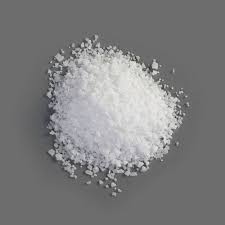
1. Source Origin (Source & Identity)
Remedy Name: Benzoic Acid
Chemical Identity: Benzoicum acidum
Kingdom: Chemical / Mineral-organic compound
Natural Source: Derived from gum benzoin, a resin obtained from Styrax species
Part Used: Purified benzoic acid crystals
2. Extraction & Homeopathic Preparation
Benzoic acid is obtained from gum benzoin resin via chemical purification. The crude benzoic acid is triturated with lactose to temper its strong action, followed by serial dilution and succussion in line with homeopathic pharmacopeial standards to create centesimal potencies.
Safety Note: Crude benzoic acid is an irritant. Homeopathic preparations are highly diluted and considered safe when manufactured by authorized pharmacies.
3. Core Sphere of Action
Benzoic Acid primarily acts on:
Urinary system
Joints
Metabolic waste elimination
Mucous membranes
Central Theme: Offensive discharges with a tendency to gout or rheumatism.
4. Characteristic Symptoms & Keynotes
Strong, offensive odor of urine
Dark, highly concentrated urine
Gouty pains shifting from joint to joint
Rheumatic pain relieved by urination
Offensive perspiration
A keynote symptom is urine with a very strong, penetrating odor.
5. Key Repertory Rubrics
Urinary:
Urine, offensive
Urine, dark
Frequent urination
Extremities:
Gouty pain
Rheumatism, shifting
Generalities:
Offensive secretions
Metabolic sluggishness
6. Comparative Remedies (Differential Diagnosis)
| Feature | Benzoic acid | Lycopodium | Colchicum | Sulphur |
|---|---|---|---|---|
| Urine odor | Very strong | Moderate | Mild | Mild |
| Gout | Marked | Moderate | Marked | Variable |
| Joint pain | Shifting | Fixed | Acute | Burning |
| Metabolism | Sluggish | Weak liver | Uric acid | Heat |
7. Therapeutic Uses in Homeopathy
Common Conditions:
Offensive urine
Mild urinary irritation
Chronic Ailments:
Gout
Chronic rheumatism
Uric acid diathesis
Metabolic disorders
Severe Conditions (Adjunct only):
Advanced gout
Chronic renal irritation
Renal disease requires professional supervision.
8. Constitutional Portrait
Typical Profile:
Individuals with gouty tendencies
Sluggish metabolism
Offensive body odors
Rheumatic constitution
Constitutional Action: Supports the elimination of metabolic waste products.
9. Potency & Practical Usage
| Potency | Pack Size | Clinical Role |
|---|---|---|
| 6C | 100 ml | Urinary odor, mild gout |
| 200C | 100 ml | Chronic gout, rheumatic diathesis |
Dosage Guidance: Lower potencies may be repeated cautiously; higher potencies should be dosed infrequently.
10. Effects in Children & Seniors
Children:
Seldom indicated
Occasional use for metabolic imbalance
Seniors:
Gout
Rheumatism
Offensive urine odor
Medical monitoring is recommended for seniors.
11. Clinical Insights
Benzoic Acid is especially indicated when offensive discharges, particularly strong-smelling urine, are present. This keynote symptom often points directly to the remedy. Joint and gouty pains that improve after urination further highlight its sphere of action.
In chronic cases, patients may exhibit long-standing gout with joint deformities and dark, offensive urine. Benzoic Acid aids uric acid metabolism and excretory function. Clinical improvement is gradual, marked by less joint pain, better urine quality, and overall increased comfort.
12. Sample Repertorization Chart
| Rubric | Benzoic | Lycopodium | Colchicum | Sulphur |
|---|---|---|---|---|
| Urine offensive | 3 | 1 | 0 | 0 |
| Gouty pain | 3 | 2 | 3 | 1 |
| Rheumatism shifting | 3 | 1 | 1 | 1 |
| Metabolic disorder | 2 | 3 | 2 | 2 |
Conclusion
Benzoic Acid remains a valuable remedy in metabolic and gouty conditions characterized by offensive discharges and shifting joint pain. With appropriate potency selection and ongoing monitoring, it can support improved elimination and long-term comfort.
Benzoic Acid remains a valuable and well-recognized remedy in metabolic, gouty, and rheumatic conditions, particularly where symptoms are marked by offensive discharges, strong-smelling urine, and wandering or shifting joint pains. Its distinctive action on metabolism and excretion makes it especially useful when the body shows difficulty in eliminating waste products efficiently. Patients requiring this remedy often present with alternating symptoms, where discomfort moves from one joint to another, reflecting the dynamic nature of the underlying imbalance.
When prescribed on clear indications and matched to the individual symptom picture, Benzoic Acid may contribute to improved elimination, reduced joint discomfort, and enhanced overall comfort. Potency selection and repetition should always be guided by the patient’s sensitivity, symptom intensity, and response to treatment. Regular monitoring is essential to assess progress, prevent unnecessary repetition, and adjust treatment as needed.
As with all homeopathic remedies, Benzoic Acid is most effective when used as part of a holistic approach that considers lifestyle, diet, and constitutional factors. Thoughtful prescribing and careful follow-up support sustainable improvement and long-term well-being.