
1. Source Origin & Identity
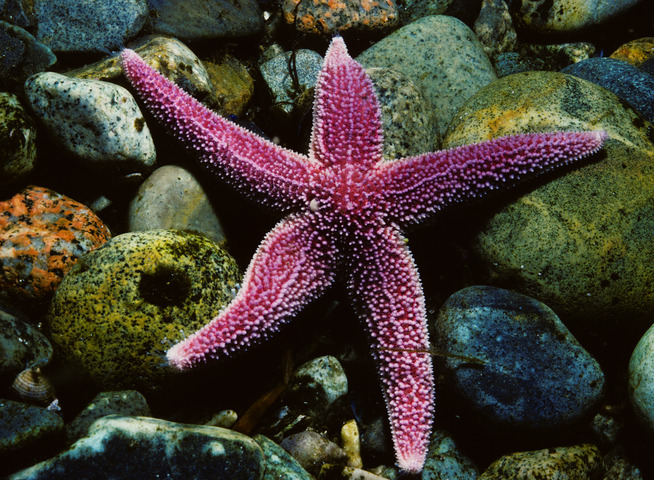
- Zoological Name: Asterias rubens
- Kingdom: Animalia
- Class: Asteroidea
- Common Name: Common Starfish
- Natural Habitat: Cold and temperate North Atlantic seas
- Part Used: Whole animal (homeopathically prepared)
2. Extraction & Preparation (Homeopathic Methodology)
- The whole starfish is triturated with lactose, then serially diluted and succussed to create centesimal potencies.
- Homeopathic potencies are extremely diluted and safe when produced by licensed manufacturers.
Safety Note:
Crude marine organisms may contain active substances, but homeopathic preparations are safe due to dilution.
3. Core Sphere of Action
- Main Actions:
- Female reproductive system
- Breast tissue
- Circulatory and glandular systems
- Mind and emotions
- Central Theme:
- Intense sexual excitement
- Glandular congestion
- Destructive tendencies
4. Key Symptoms & Repertory Rubrics
- Mind: Sexual excitement (excessive), anxiety with restlessness, impulsivity
- Female: Breast pain, congestion, mastitis (early), pain radiating from breasts
- General: Congestion, internal pressure, symptoms worse at night
5. Comparative Remedies (Differentiation Table)
| Feature | Asterias rubens | Conium | Phytolacca | Lachesis |
|---|---|---|---|---|
| Sexual drive | Excessive | Diminished | Normal | Variable |
| Breast involvement | Congestion, pain | Induration | Inflammation | Congestion |
| Mental state | Excitable | Depressed | Irritable | Intense |
| Progression | Rapid | Slow | Acute | Rapid |
6. Clinical Insights
- Most useful in early-stage breast disorders marked by sexual excitement and glandular congestion.
- Early intervention may prevent progression to hard induration.
- Patients often have strong libido, restlessness, mental agitation, and breast tenderness or swelling.
- If hard induration dominates: Use Conium.
- If acute inflammation with radiating pain: Use Phytolacca.
7. Homeopathic Indications
- Subacute: Breast congestion, mastodynia, sexual overexcitement, restlessness with glandular swelling
- Chronic: Persistent breast tenderness, recurrent early mastitis, glandular congestion
- Extreme (Adjunctive): Suspected malignant breast disease (always require medical evaluation)
8. Constitutional Portrait
- Highly excitable, strong sexual drive, prone to glandular congestion, restless (especially at night)
- Constitutional theme: Excessive nervous and sexual stimulation – vascular/glandular overload
9. Potency and Usage
| Potency | Pack Size | Clinical Role |
|---|---|---|
| 6C | 100 ml | Early glandular congestion, breast pain |
- Dosage: Repeat low potency in subacute cases; stop once symptoms improve
10. Use in Children & Seniors
- Children: Rarely indicated, only with professional supervision
- Seniors: May address breast pain/congestion, especially with hormonal changes (always rule out malignancy)
11. Literature Reference & Key Clinical Applications
- Documented in Clarke, Boericke, and other classical homeopathic texts for sexual excitement, breast congestion, early glandular inflammation
- Frequently compared with Conium, Lachesis, and Phytolacca
12. Key Rubrics (High-Yield)
- Female: Breasts, pain
- Female: Sexual excitement
- Glands: Congestion
- Mind: Restlessness
- Generalities: Worse at night
13. Main Differentials
- Conium maculatum: Hard induration
- Phytolacca: Acute inflammatory mastitis
- Lachesis: Left-sided congestive breast conditions
14. Clinical Decision Guidance
Choose Asterias rubens if:
- Sexual excitement is marked
- Breast congestion is an early feature
- Pain comes before induration
- Restlessness/anxiety are present
15. Sample Repertorization Chart
| Rubric | Asterias | Conium | Phytolacca | Lachesis |
|---|---|---|---|---|
| Breast congestion | 3 | 2 | 3 | 3 |
| Sexual excitement | 3 | 0 | 0 | 1 |
| Restlessness | 2 | 1 | 1 | 3 |
| Early inflammation | 2 | 1 | 3 | 2 |
| Worse at night | 2 | 1 | 1 | 3 |
Note: For any suspected malignancy, immediate medical evaluation is essential.
Asterias rubens is best suited for early congestive and functional breast disorders where heightened sexual activity and vascular overload coexist. Timely selection and careful monitoring help prevent progression toward chronic or structural pathology while supporting glandular balance.
In clinical practice, Asterias rubens is most effective when prescribed at the earliest stage of glandular congestion, before structural tissue changes become established. Regular assessment of breast texture, pain patterns, and associated hormonal symptoms is essential to evaluate progress. The remedy should be discontinued once congestion subsides to avoid unnecessary repetition. Supportive measures such as proper breast support, stress reduction, and hormonal evaluation further enhance outcomes. In long-standing or recurrent cases, periodic follow-up is crucial to distinguish functional congestion from evolving pathology. When integrated responsibly with conventional diagnostic care, Asterias rubens can contribute to symptom relief while maintaining patient safety and clinical clarity.