
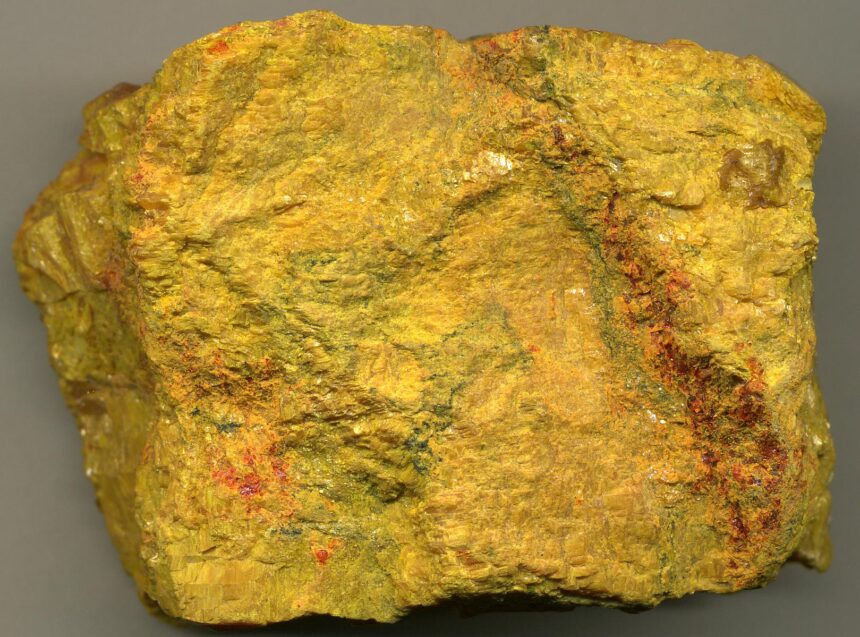
1. Source & Identity
- Remedy Name: Arsenicum Sulphuratum Flavum
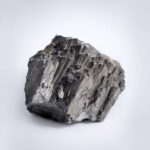
- Chemical Identity: Yellow arsenic sulphide (Arsenic trisulphide / Orpiment)
- Kingdom: Mineral (not plant-based)
- Natural Source: Purified mineral compound obtained from orpiment (arsenic sulphide mineral)
2. Extraction & Preparation
- The crude arsenic sulphide mineral is thoroughly triturated with lactose to neutralize toxicity and prepare it for medicinal use.
- After adequate trituration, the substance undergoes serial dilution and succussion following classical homeopathic pharmacopeial standards to create centesimal potencies.
3. Core Sphere of Action
- Primary Action:
- Skin and mucous membranes
- Respiratory system
- Blood and metabolic processes
- Vital force in chronic suppurative states
- Central Theme: Chronic destructive processes characterized by burning, discharge, and debility
4. Key Repertory Rubrics
- Skin:
- Chronic eruptions with discharge
- Burning, itching eruptions
- Ulcerations with foul secretion
- Respiratory:
- Chronic bronchitis
- Asthma with thick expectoration
- Burning chest sensations
- Generalities:
- Profound weakness
- Burning pains
- Worse from warmth
- Worse after midnight
5. Comparative Remedy Table
Arsenicum Album – Anxiety predominant, less discharge
Sulphur – Heat, dryness, redness
Hepar sulphuris – Acute suppuration, extreme sensitivity
6. Clinical Usage Guidelines
- Indicated for chronic disease with suppuration or ulceration
- Burning pains with offensive discharge
- Respiratory complaints with thick mucus
- Progressive weakness
- Symptoms are worse after midnight
7. Common Homeopathic Uses
- Subacute Ailments:
- Chronic bronchitis
- Persistent skin eruptions
- Burning ulcerative lesions
- Chronic nasal discharge
- Chronic Ailments:
- Chronic skin diseases
- Long-standing bronchial infections
- Ulcerative conditions
- Chronic metabolic debility
- Extreme Ailments (Adjunctive only):
- Advanced ulcerative skin disease
- Severe chronic respiratory conditions
8. Constitutional Portrait
- Most suitable for chronically ill, weakened individuals
- Patients with destructive skin or lung pathology
- Tendency to ulceration and discharge
- Reduced vitality with burning pains
- Constitutional Action: Long-standing disease leads to tissue breakdown, discharge, and exhaustion.
9. Potency and Practical Usage
| Potency | Pack Size | Clinical Role |
|---|---|---|
| 200C | 100 ml | Chronic destructive skin & respiratory states |
- Dosage Guidance: High potency requires infrequent dosing, careful observation, and long follow-up. Repetition should be avoided unless improvement stagnates.
10. Use in Children and Seniors
- Children:
- Chronic skin eruptions
- Recurrent respiratory infections (Medical supervision required)
- Seniors:
- Chronic bronchitis
- Ulcerative skin conditions (Rule out malignancy or infection)
11. Clinical Evidence and Literature
- Documented in classical texts (Clarke, Boericke) for:
- Chronic ulcerative skin disease
- Long-standing bronchial affections
- Burning discharges
- Frequently compared with Arsenicum Album, Sulphur, and Hepar sulphuris.
12. High-Yield Rubrics for Selection
- Skin: Ulcers, burning
- Chest: Chronic bronchitis
- Pain: Burning
- Weakness: Progressive
- Generalities: Worse after midnight
13. Main Differential Remedies
- Arsenicum Album: Anxiety dominant, less discharge
- Sulphur: Heat, dryness, redness
- Hepar sulphuris: Acute suppuration, extreme sensitivity
14. Clinical Selection Tips
Choose Arsenicum Sulphuratum Flavum when:
- Chronic disease shows destructive tendencies
- Burning discharges are present
- Weakness is progressive
- Both respiratory and skin systems are involved
15. Sample Repertorization Chart
| Rubric | Ars Sul Fl | Ars Alb | Sulph | Hep sulph |
|---|---|---|---|---|
| Burning pain | 3 | 3 | 2 | 1 |
| Skin ulcers | 3 | 1 | 2 | 3 |
| Chronic bronchitis | 3 | 2 | 2 | 1 |
| Weakness | 3 | 3 | 2 | 2 |
| Worse midnight | 2 | 3 | 1 | 1 |
Clinical Insights:
Clinically, Ars. Sulph. Flav. is indicated in advanced, destructive disease states where burning pains, foul discharges, and progressive weakness dominate the case. It is most useful when pathology has moved beyond functional disturbance into tissue breakdown, ulceration, or chronic suppuration. Patients are typically exhausted, irritable, and cachectic, yet still show restlessness and intolerance of stagnation.
In chronic skin diseases, this remedy is valuable for ulcerative eczema, non-healing ulcers, crusted eruptions, and offensive oozing lesions, especially when burning pain is prominent and symptoms worsen at night. Discharges are characteristically thick, yellow, offensive, and corrosive, causing irritation of surrounding skin.
In respiratory conditions, it is useful in chronic bronchitis, advanced asthma, or long-standing pulmonary infections with foul expectoration, chest burning, and gradual loss of strength. Unlike Ars. Alb., anxiety is less pronounced; the clinical picture centers more on physical decay than mental fear.
Ars. Sulph. Flav. is often required in late-stage chronic illness, where repeated acute remedies fail, and vitality is low. Careful differentiation is essential, particularly from Ars. Alb., Hepar Sulph., and Sulphur, as misuse may aggravate already weakened patients.