
1. Source Origin & Identity
- Remedy Name: Antimonium Crudum
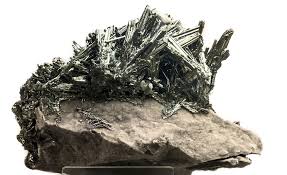
- Chemical Identity: Antimony trisulphide (Stibnite)
- Kingdom: Mineral
- Natural Source: Naturally occurring antimony sulphide ore
- Part Used: Purified mineral substance.
2. Preparation for Homeopathic Use
- Initial Preparation: Trituration of purified stibnite with lactose
- Potentization: Serial dilution and succussion
- Scale Used: Centesimal scale
Safety Note:
Crude antimony compounds are toxic. When prepared homeopathically, the remedy is highly diluted and pharmacologically inert.
3. Core Remedy Picture (Keynotes)
Essence:
- Gastric disturbances accompanied by irritability
- Thickly coated white tongue
- Symptoms worsen after overeating
- Marked intolerance to heat and cold bathing
Mental–Emotional:
- Irritability and sulkiness
- Dislike of being touched or spoken to
- Childlike behavior in adults
- Emotional upset triggered by digestive issues
Physical Tendencies:
- Thick white coating on the tongue
- Nausea and vomiting after overeating
- Discomfort after rich or fatty foods
- Callosities and cracked skin
- Thick, unhealthy nails
4. Uses in Homeopathy
A. Common Ailments
- Indigestion from overeating
- Gastric nausea with coated tongue
- Irritability in children
- Skin callosities
B. Chronic Ailments
- Persistent digestive intolerance
- Recurrent gastric upset
- Thickened, unhealthy skin
- Habitual overeating and consequences
C. Severe/Extreme Presentations
Adjunct only- medical care essential
- Persistent vomiting
- Severe gastric irritation
- Nutritional imbalance
Medical evaluation required in severe cases.
5. Constitutional Profile — Suited Individuals
- Irritable, sensitive people
- Fretful, demanding children
- Individuals worse after food indulgence
- Symptoms aggravated by heat or bathing
Mind-Body Connection:
Digestive overload leads to both physical discomfort and emotional irritability, with a pronounced link between body and mind.
6. Potencies & Practical Use
| Potency | Pack Size | Practical Clinical Use |
|---|---|---|
| 30C | 100 ml | Gastric upset, irritability |
| 200C | 100 ml | Chronic digestive intolerance |
| 1M | 60 ml | Constitutional cases |
| 10M | 30 ml | Deep-seated chronic states |
| 50M | 30 ml | Advanced constitutional prescribing |
| CM | 30 ml | Expert-level constitutional use |
Dosing:
- Lower potencies: repeat cautiously
- Higher potencies: single dose, long observation
- Avoid repetition once improvement is seen
7. Effects in Children & Seniors
Children:
- Irritability
- Digestive upset after sweets/milk
- Thick white tongue
- Professional supervision advised
Seniors:
- Chronic indigestion
- Thickened skin/nails
- Reduced digestive tolerance
- Exclude organic disease
8. Classical References & Clinical Notes
Described by Hahnemann, Kent, Boericke, and Clarke for:
- Gastric problems
- Thickly coated tongue
- Irritable temperament
- Thickening of skin
Often compared with: Nux vomica, Pulsatilla, Sulphur
9. Key Repertory Rubrics
- Stomach: Indigestion after overeating
- Tongue: Thick, white coat
- Mind: Irritability
- Skin: Callosities
- General: Worse from heat
10. Sample Repertorization Chart
| Rubric | Antim. Crud | Nux vom | Pulsatilla | Sulphur |
|---|---|---|---|---|
| Indigestion | 3 | 3 | 2 | 2 |
| White tongue | 3 | 1 | 1 | 1 |
| Irritability | 3 | 3 | 1 | 2 |
| Skin thickening | 3 | 1 | 0 | 2 |
| Worse from heat | 3 | 2 | 1 | 3 |
Clinical Insight:
Select Antimonium Crudum when digestive disturbances and irritability present together, especially with a thick white tongue and food intolerance.
From a clinical viewpoint, Antimonium Crudum reflects a strong connection between digestive overload and emotional irritability. Patients requiring this remedy frequently show clear aggravation of symptoms after dietary excess, particularly from rich, fatty, or sugary foods. Gastric discomfort is often accompanied by nausea, fullness, and a persistent thick white coating on the tongue, which serves as a key diagnostic indicator. Unlike remedies associated with acute inflammatory gastritis, the complaints here are functional and recurrent, driven by intolerance rather than infection.
Emotionally, these patients may become unusually irritable, sulky, or withdrawn during digestive disturbance. Children often refuse consolation and react negatively to attention, while adults may display childish impatience or moodiness. Physical symptoms such as callosities, cracked skin, and thickened nails suggest long-standing metabolic imbalance. Improvement with Antimonium Crudum is typically observed as better food tolerance, reduced gastric distress, and a calmer emotional response. As digestion stabilizes, mood and general well-being improve in parallel. Careful observation of dietary habits and symptom patterns is essential to confirm sustained benefit and guide repetition.