
1. Plant Origin & Identity
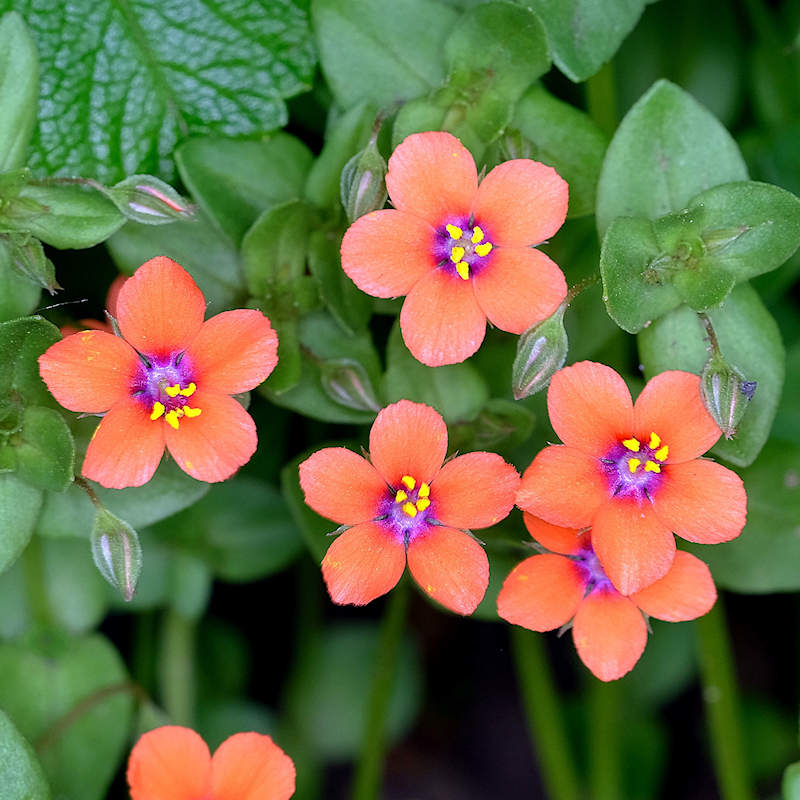
- Botanical name: Anagallis arvensis
- Family: Primulaceae
- Common names: Scarlet Pimpernel, Poor Man’s Weather Glass
- Natural habitat: Native to Europe and Asia; now cultivated worldwide
- Part used: Entire fresh flowering plant
2. Preparation for Homeopathic Use
- Mother tincture (Q): Produced by macerating the fresh plant in alcohol
- Potentization: Serial dilution and succussion, typically on the Centesimal scale
Safety note:
The crude plant possesses toxic properties. Only properly prepared homeopathic dilutions are used therapeutically.
3. Core Remedy Picture (Keynotes)
Essence:
- Nervous irritation manifesting with skin symptoms
- Sharp, shooting pains
- Periodic neuralgia
- Emotional restlessness
Mental- Emotional:
- Anxiety with nervous tension
- Restlessness, not linked to fear
- Irritability during episodes of pain
- Mental agitation improved by movement
Physical Tendencies:
- Herpetic skin eruptions
- Itching and burning lesions
- Neuralgic pains, especially of the face and intercostal regions
- Periodic headaches
- Sensations of crawling or stinging on the skin
4. Homeopathic Uses
A. Common Ailments:
- Herpes simplex (cold sores)
- Neuralgic facial pain
- Itchy skin conditions
- Nervous headaches
B. Chronic Ailments:
- Recurrent herpes
- Chronic neuralgia
- Periodic skin eruptions
- Nervous skin hypersensitivity
C. Severe Presentations (Adjunctive Only):
- Intense neuralgia
- Extensive herpetic eruptions
(Supportive role only; medical care required)
5. Constitutional Profile- Best Responders
- Nervous, sensitive individuals
- Patients with skin–nerve disorders
- Symptoms worsen with emotional stress
- Relief from movement and fresh air
Characteristic pattern:
Nervous irritation typically presents as skin eruptions alongside sharp neuralgic pains.
6. Potencies & Practical Use
| Potency | Pack Size | Practical Clinical Use |
|---|---|---|
| 6C | 100 ml | Acute itching, neuralgia |
| 200C | 100 ml | Chronic herpes, recurrent neuralgia |
Repetition:
- Acute conditions: Frequent doses at short intervals
- Chronic conditions: Less frequent dosing
- Discontinue once symptoms subside
7. Effects in Children & Seniors
Children:
- Itching skin eruptions
- Nervous restlessness
(Always under medical supervision)
Seniors:
- Neuralgic pain
- Chronic skin irritation
(Ensure organic causes are excluded)
8. Classical References & Clinical Notes
Anagallis arvensis is cited in the works of Boericke, Clarke, and Hering for:
- Herpetic eruptions
- Neuralgia
- Nervous skin disorders
It is often compared to: Rhus toxicodendron, Mezereum, and Graphites.
9. Key Repertory Rubrics
- Skin- herpes, itching, burning
- Neuralgia- facial
- Headache- periodic
- Generalities- restlessness
10. Sample Repertorization Chart
| Rubric | Anagallis | Rhus tox | Mezereum | Graphites |
|---|---|---|---|---|
| Herpes eruptions | 3 | 2 | 3 | 2 |
| Itching skin | 3 | 2 | 2 | 3 |
| Neuralgia | 3 | 2 | 3 | 1 |
| Restlessness | 2 | 3 | 1 | 1 |
| Periodicity | 3 | 1 | 2 | 1 |
Clinical insight:
From a clinical standpoint, Anagallis arvensis is especially valuable in conditions where nervous irritation expresses itself through the skin and peripheral nerves. Patients requiring this remedy often present with recurrent herpetic eruptions or persistent itching that is disproportionate to visible skin changes. The discomfort is frequently described as burning, stinging, or crawling, indicating involvement of superficial nerve endings rather than deep inflammatory pathology. Neuralgic pains may accompany skin symptoms, particularly affecting the face, scalp, or intercostal regions, and often show a periodic or relapsing pattern.
Mentally, these patients tend to be restless and uneasy during symptom flare-ups, though not typically anxious or fearful. The restlessness is driven by physical irritation rather than emotional distress. Symptoms may worsen with emotional strain, fatigue, or prolonged inactivity and often improve with movement, fresh air, or distraction. In chronic cases, repeated outbreaks of herpes or neuralgia may lead to exhaustion and heightened skin sensitivity.
Clinical improvement with Anagallis arvensis is usually marked by reduced itching, shorter duration of eruptions, and less intensity of neuralgic pain. Over time, recurrences become less frequent and less severe. As with other remedies acting on the skin- nerve axis, careful follow-up is important to assess response and adjust repetition appropriately.
Anagallis arvensis is best indicated when herpetic eruptions and neuralgic pains reflect underlying nervous hypersensitivity rather than acute inflammation clinically.