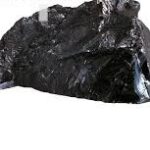


1. Source Origin & Identity
- Remedy Name: Anthracinum
- Source Type: Nosode (animal/bacterial origin)
- Exact Source: Derived from pathological products of anthrax infection (Bacillus anthracis), rendered inert through homeopathic potentization
- Kingdom: Animal / Pathological product
- Part Used: Disease material (nosode)
2. Preparation for Homeopathic Use
- Initial Material: Inactivated anthrax disease product
- Method: Repeated trituration and serial dilution with succussion
- Potency Scales: Primarily C scale
3. Key Characteristics (Remedy Picture)
- Essence:
- Septic, gangrenous, or malignant conditions
- Rapid tissue destruction
- Dark, offensive discharges
- Low resistance to infection
- Mental- Emotional:
- Anxiety about severe illness
- Fear of death or collapse
- Mental dullness due to toxemia
- Indifference in advanced states
- Physical Tendencies:
- Dark bluish or black discoloration of tissues
- Carbuncle-like eruptions
- Burning pains with tissue breakdown
- Septic fever
- Offensive ulceration
4. Uses in Homeopathy
- A. Common Clinical Situations:
- Severe boils and carbuncles
- Infected wounds with dark discoloration
- Septic skin conditions
- Malignant pustules (historical context)
- B. Chronic Conditions:
- Chronic septic states
- Recurrent boils with tissue breakdown
- Low vitality after severe infection
- Slow healing with necrosis
- C. Extreme/Severe Presentations:(Adjunctive support; urgent medical care is essential)
- Septicemia
- Gangrene
- Life-threatening infections
Medical Emergency: Homeopathy is supportive only; urgent conventional care is mandatory.
5. Constitutional Profile – Who Benefits Most?
- Individuals with poor resistance to infection
- Patients prone to sepsis or tissue necrosis
- Those with low vitality and rapid deterioration
In these cases, the body fails to localize infection, leading to rapid spread, tissue destruction, and systemic toxicity.
6. Potencies & Practical Use
| Potency | Pack Size | Practical Clinical Use |
|---|---|---|
| 30C | 100 ml | Early septic tendencies, boils |
| 200C | 100 ml | Severe or recurrent septic states |
- Use with caution
- Infrequent dosing
- Discontinue upon improvement
7. Use in Children & Seniors
- Children: Severe boils, infected wounds (strict medical supervision required)
- Seniors: Poor wound healing, septic tendencies (always exclude systemic disease)
8. Classical References & Clinical Notes
- Discussed by Clarke, Boericke, Allen for septic, gangrenous, and carbuncular conditions
- Often compared with: Arsenicum album, Carbo vegetabilis, Pyrogenium
9. Key Repertory Rubrics
- Sepsis
- Gangrene
- Ulcers (offensive)
- Discoloration (bluish/black)
- Fever (septic)
10. Sample Comparative Chart
| Rubric | Anthracinum | Arsenicum | Pyrogen | Carbo veg |
|---|---|---|---|---|
| Septic states | 3 | 2 | 3 | 2 |
| Gangrene | 3 | 2 | 1 | 3 |
| Offensive discharge | 3 | 2 | 3 | 2 |
| Low vitality | 2 | 3 | 2 | 3 |
| Tissue destruction | 3 | 2 | 2 | 2 |
Clinical Insight:
From a clinical standpoint, Anthracinum represents a remedy picture associated with severe breakdown of tissue integrity and systemic septic influence, rather than localized inflammation alone. Patients who correspond to this remedy often demonstrate a rapid decline in general condition once infection sets in, with poor localization and a tendency toward widespread tissue involvement. Skin lesions may darken quickly, assume a bluish-black appearance, or show early signs of necrosis, indicating compromised circulation and impaired defensive response. Discharges are typically offensive and destructive in character, reflecting deep toxic processes.
In such cases, vitality appears insufficient to mount an effective reaction, and healing mechanisms are markedly weakened. Fever may be irregular, low-grade, or disproportionately severe relative to local findings, suggesting systemic toxemia. Mentally, patients may show anxiety related to the seriousness of their condition in earlier stages, followed by dullness or indifference as exhaustion deepens. These features differentiate Anthracinum from remedies that act primarily on pain or restlessness.
Clinical improvement, when it occurs, is reflected by stabilization of tissue color, reduction in offensive discharge, clearer demarcation of lesions, and gradual return of reactive capacity. Because conditions requiring Anthracinum are often medically serious, close monitoring and integration with appropriate medical care are essential. The remedy is viewed as supportive in restoring balance where septic influence overwhelms natural resistance.
Careful long-term observation supports sustained stabilization and safer clinical outcomes in severe cases with appropriate clinical oversight.
Anthracinum should be considered when septic processes show rapid tissue destruction, dark discoloration, and failure of normal reactive response.