

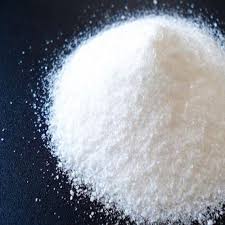
1. Source Origin & Identity
- Substance Name: Ammonium Phosphoricum
- Chemical Identity: Ammonium phosphate
- Kingdom: Mineral / chemical salt
- Source: Combination of ammonia and phosphoric acid
- Part Used: Purified chemical compound
2. Preparation for Homeopathic Use
- Initial Preparation: Trituration of ammonium phosphate with lactose
- Potentization: Serial dilution and succussion, typically on the C scale
Safety: Notes:
Crude ammonium phosphate has physiological effects. Homeopathic potencies, when prepared according to pharmacopeial standards, are highly diluted and considered safe.
3. Core Remedy Picture (Keynotes)
- Essence:
- Marked mental and physical fatigue
- Pronounced nervous exhaustion
- Weak memory and poor concentration
- General debility, especially after illness
- Mental- Emotional:
- Mental weariness
- Difficulty focusing
- Indifference due to exhaustion
- Low motivation
- Physical:
- Muscular weakness
- Trembling from fatigue
- Slow recovery after exertion
- Poor stamina
- Occasional sluggish digestion
4. Uses in Homeopathy
- A. Common Ailments:
- Mental fatigue
- Physical exhaustion
- Weakness following prolonged work
- Reduced concentration
- B. Chronic Ailments:
- Chronic nervous exhaustion
- Debility after illness
- Fatigue syndromes
- Slow recovery from stress or infection
- C. Severe Presentations:
- Severe exhaustion states (adjunctive use- medical care essential)
- Post-infectious debility (supportive only)
5. Constitutional Profile- Who Benefits Most?
- Students and mental workers
- Those exhausted by prolonged illness
- Individuals with depleted nerve energy
- Symptoms worse after effort, better with rest
Effect:
Depletion of nervous energy results in fatigue, weakness, and diminished mental capacity.
6. Potencies & Practical Use
| Potency | Pack Size | Practical Clinical Use |
|---|---|---|
| 6C | 100 ml | Mental fatigue, physical exhaustion, nervous debility |
Repetition: May be repeated cautiously. Reduce frequency as vitality returns. Avoid unnecessary long-term dosing.
7. Effects in Children & Seniors
- Children:
- Mental fatigue from study
- Weak concentration
- (Always rule out nutritional deficiencies)
- Seniors:
- Weakness after illness
- Nervous exhaustion
- (Always exclude underlying systemic disease)
8. Documented Clinical Use & References
Classical sources (Boericke, Clarke, Allen) support the use of Ammonium Phosphoricum for:
- Nervous exhaustion
- Mental fatigue
- General debility
It is often compared with Kali phosphoricum, Phosphoric acid, and China officinalis.
9. Key Repertory Rubrics
- Mind: weakness
- Concentration: difficult
- General weakness
- Mental and physical fatigue
10. Comparative Repertorization Chart
| Rubric | Amm. Phos | Kali phos | Phos acid | China |
|---|---|---|---|---|
| Mental fatigue | 3 | 3 | 2 | 1 |
| Physical weakness | 3 | 2 | 3 | 2 |
| Slow recovery | 3 | 2 | 3 | 3 |
| Nervous exhaustion | 3 | 3 | 2 | 1 |
| Poor concentration | 3 | 2 | 2 | 1 |
Clinical Insight:
In clinical practice, Ammonium Phosphoricum is most often indicated in states of exhaustion where both mental and physical energy are depleted, yet no strong emotional disturbance is present. Patients commonly describe a sense of weariness that is disproportionate to their level of activity, with fatigue appearing even after minimal mental effort. Concentration becomes difficult, memory feels weak, and sustained focus cannot be maintained. Unlike remedies associated with grief or emotional shock, the exhaustion here is functional and related to prolonged overuse of mental or physical reserves.
Physically, these patients may complain of generalized weakness, trembling from fatigue, and slow recovery following illness or exertion. Appetite may be reduced, digestion sluggish, and overall stamina markedly diminished. Symptoms are typically worse after work, study, or prolonged mental strain and improve with rest and quiet. The remedy is especially useful during convalescence, when recovery is delayed despite the absence of active disease. Improvement is usually gradual, marked by better concentration, increased endurance, and restoration of normal energy levels. As vitality returns, repetition should be reduced to avoid unnecessary dosing. Careful observation over time helps confirm sustained response and ensures balanced recovery.
In long-term cases, attention to adequate rest, nutrition, and gradual return to activity supports recovery and helps maintain the gains achieved with treatment. Periodic reassessment ensures sustained improvement and prevents relapse.
Continued monitoring over time helps maintain stability, supports sustained recovery, allows timely adjustments in care, and promotes overall functional improvement in clinical practice.