
1. Plant Origin & Identity of Allium Sativa
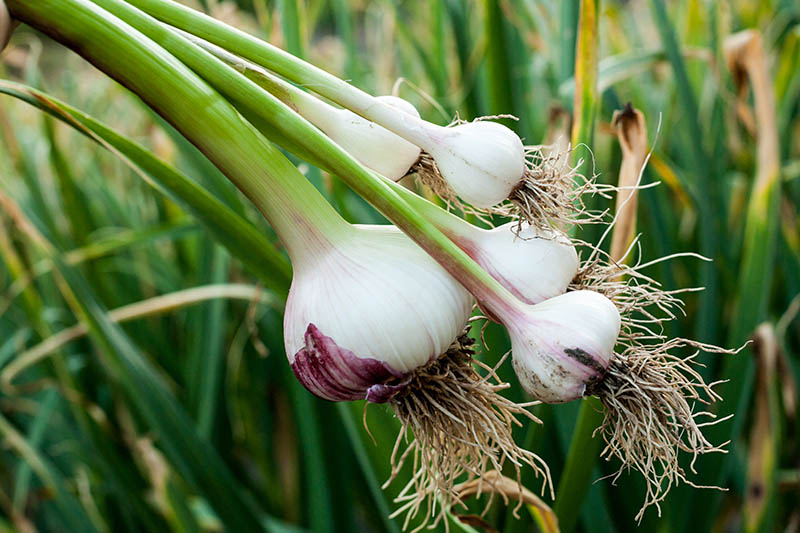
- Botanical name: Allium sativum
- Family: Amaryllidaceae
- Common name: Garlic
- Natural habitat: Originally from Central Asia; now cultivated globally
- Part used: Fresh bulb (cloves)
Significance in Materia Medica
Allium sativum is recognized as a remedy with digestive, cardiovascular, and metabolic actions. Traditionally, it is used for complaints involving flatulence, abdominal distension, circulatory sluggishness, and imbalances in lipid metabolism. In homeopathy, it is particularly indicated for individuals with digestive weakness, poor circulation, and tendencies toward toxin buildup.
2. Extraction & Homeopathic Preparation
- Mother tincture (Q): Prepared by macerating fresh garlic bulbs in alcohol and filtering the mixture.
- Potentization: Through serial dilution and succussion (usually on the C scale), producing various homeopathic potencies.
Safety Note: While garlic is a common food, homeopathic effects are specific to potentized preparations- not to dietary intake.
3. Core Remedy Profile (Key Features)
Essence:
- Digestive sluggishness with gas and bloating
- Circulatory weakness
- Toxic or fermentative states in the gut
Mental- Emotional Features:
- Mental dullness linked to digestive disturbance
- Irritability from abdominal discomfort
- Complaint pattern is primarily physical
Physical Characteristics:
- Pronounced flatulence and abdominal distension
- Strong or offensive breath/body odor
- Sluggish circulation
- Heaviness and discomfort after meals
4. Clinical Applications in Homeopathy
A) Common Conditions:
- Flatulence, bloating
- Indigestion with heaviness
- Poor appetite, fermentation
- Digestive discomfort after rich foods
B) Chronic Conditions:
- Persistent dyspepsia
- Ongoing sluggish digestion with gas
- Metabolic imbalance affecting circulation
- Chronic intestinal fermentation
C) Severe Presentations:
- Severe digestive toxicity
- Advanced circulatory disorders
5. Constitutional Profile — Ideal Candidates
Beneficial for those with:
- Digestive and circulatory sluggishness
- Tendency toward bloating and fermentation
- Sedentary habits with metabolic slowdown
Effect: Poor digestion leads to toxin accumulation, gas, and secondary effects on circulation.
6. Potencies & Practical Usage
| Potency | Pack Size | Practical Clinical Use |
|---|---|---|
| 30C | 100 ml | Digestive weakness, flatulence, metabolic sluggishness |
- Moderate repetition in digestive disorders
- Discontinue once improvement is evident
- Avoid unnecessary prolonged use
7. Special Considerations: Children & Seniors
Children:
- Gas, bloating, and poor appetite due to fermentation
(Always rule out dietary intolerance)
Seniors:
- Sluggish digestion
- Circulatory heaviness
(Medical evaluation recommended for possible cardiac issues)
8. Clinical Evidence & References
Classical homeopathic literature and clinical experience support the use of Allium sativum for:
- Flatulence and abdominal distension
- Digestive fermentation
- Sluggish circulation
Frequently compared with Carbo vegetabilis, Nux vomica, and China officinalis.
9. Key Repertory Rubrics
Stomach: Indigestion, heaviness after eating
Abdomen: Flatulence, distension
Generalities: Sluggish circulation, toxic states
10. Sample Comparative Repertorization Chart
| Rubric | Allium Sativa | Carbo veg | Nux-v | China |
|---|---|---|---|---|
| Flatulence | 3 | 3 | 2 | 3 |
| Abdominal distension | 3 | 3 | 2 | 3 |
| Digestive weakness | 3 | 2 | 3 | 2 |
| Fermentation | 3 | 2 | 1 | 3 |
| Sluggish circulation | 2 | 3 | 1 | 1 |
Clinical Insight:
Allium sativum is best indicated in cases where digestive fermentation is marked, leading to excessive flatulence, abdominal distension, and discomfort after eating. It is particularly useful when digestion is slow and inefficient, with food tending to ferment rather than assimilate properly. Patients may complain of bloating, sour or offensive gas, heaviness in the abdomen, and a general sense of digestive inertia, even after small or simple meals. The remedy corresponds to functional digestive weakness rather than acute inflammatory conditions.
Clinically, Allium sativum should be considered in individuals with overall metabolic sluggishness, where poor digestion is accompanied by lethargy, reduced vitality, and impaired elimination. It is especially suited to chronic cases where long-standing digestive inefficiency contributes to systemic symptoms such as dull headaches, poor appetite, or a feeling of internal congestion. The keynote indication remains fermentation with flatus in a slow-reacting system, making Allium sativum valuable when the digestive tract lacks sufficient power to complete normal metabolic processes.
In clinical practice, Allium sativum is often useful where digestive disturbances are aggravated by rich, heavy, or carbohydrate-laden foods, and where repeated episodes of fermentation gradually weaken the patient’s overall metabolism. Such cases frequently show intolerance to dietary excess, with lingering digestive discomfort that affects general well-being and slows recovery from illness. The remedy supports restoration of digestive efficiency by addressing the underlying lack of metabolic tone, rather than merely relieving surface symptoms of gas or distension.