
1. Plant Origin & Identity
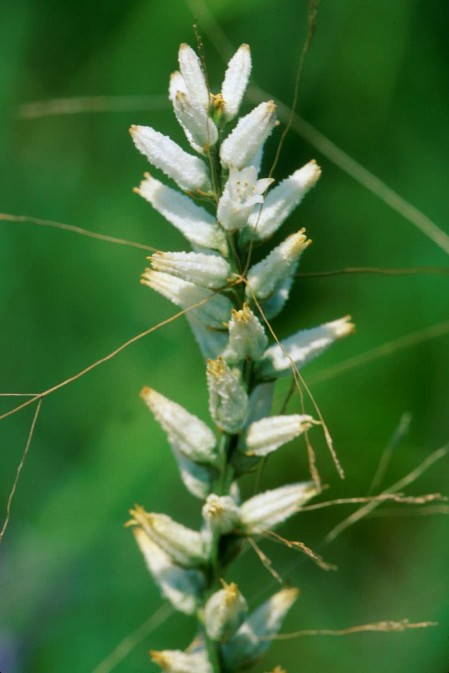
- Botanical name: Aletris farinosa
- Family: Nartheciaceae
- Common names: True Unicorn Root, Colic Root
- Natural habitat: Eastern North America; thrives in dry woods and meadows
- Part used: Fresh root (rhizome)
2. Materia Medica Significance
Aletris farinosa acts as a notable female endocrine and uterine tonic. It is especially valued for treating profound uterine weakness, hormonal exhaustion, infertility, and general debility- particularly where the patient feels persistently worn out, drained, and unable to regain strength.
3. Extraction & Homeopathic Preparation
- Mother tincture (Q): Made by macerating the fresh root in alcohol, followed by filtration.
- Potentization: Prepared via serial dilution and succussion, commonly on the C scale.
Safety Note:
Crude herbal forms can strongly affect hormonal systems. Homeopathic potencies are highly diluted and prepared according to pharmacopeial guidelines.
4. Core Remedy Picture (Keynotes)
Essence:
- Profound weakness and exhaustion
- Marked uterine atony and hormonal depletion
- Slow recovery from illness or childbirth
Mental- Emotional:
- Mental dullness due to physical weakness
- Indifference rather than anxiety
- Depression linked to hormonal imbalance
Physical Tendencies:
- Heaviness and bearing-down sensation in the uterus
- Irregular or suppressed menses
- Infertility associated with exhaustion
- Weak digestion and poor assimilation
5. Clinical Uses in Homeopathy
A. Common Ailments
- General weakness after illness
- Menstrual irregularities with fatigue
- Delayed recovery post-childbirth
- Digestive weakness with uterine symptoms
B. Chronic Ailments
- Chronic uterine debility
- Persistent infertility linked to weakness
- Long-standing hormonal exhaustion
- Chronic fatigue with reproductive complaints
C. Severe Presentations
(adjunctive support only—medical supervision required)
- Severe uterine prolapse due to atony
- Profound post-partum weakness
- Chronic endocrine exhaustion
6. Constitutional Profile: Who Benefits Most?
- Women with depleted vitality
- Pale, weak, and persistently worn-out individuals
- Patients who never fully recover after exertion or illness
- Symptoms worsen with exertion, improve with rest
Effects:
Hormonal and uterine weakness leads to physical collapse, infertility, and delayed healing.
7. Potencies & Practical Use
| Potency | Pack Size | Practical Clinical Use |
|---|---|---|
| 6C | 100 ml | Uterine weakness, general debility, hormonal exhaustion |
- Repetition: Cautious repetition is advised. Discontinue once strength and vitality improve. Avoid unnecessary continuation when recovery is evident.
8. Use in Children & Seniors
- Children: Rarely indicated; may be used (under expert guidance) for delayed development due to weakness.
- Seniors: Useful for general debility and hormone decline–related weakness (always rule out underlying systemic disease).
9. Documented Clinical Use & References
Classical homeopaths- including Clarke, Boericke, and Hale- describe Aletris farinosa for:
- Uterine atony
- Infertility linked with weakness
- Post-partum exhaustion
- Endocrine debility
Often compared to Sepia, Helonias, and Calcarea carb in similar clinical scenarios.
10. Key Repertory Rubrics
Female Genitalia:
- Uterus – weakness
- Menses – irregular, scanty
Generalities:
- Weakness (general)
- Exhaustion after illness or childbirth
Mind:
- Indifference from physical weakness
11. Sample Repertorization Chart
| Rubric | Aletris Fari | Sepia | Helonias | Calc carb |
|---|---|---|---|---|
| Uterine weakness | 3 | 2 | 3 | 1 |
| Infertility | 3 | 2 | 2 | 2 |
| General exhaustion | 3 | 2 | 3 | 2 |
| Poor recovery | 3 | 1 | 2 | 2 |
Clinical insight:
Aletris farinosa is especially indicated in cases where uterine weakness is marked, functional vitality is low, and the hormonal system appears exhausted rather than acutely diseased. It is most useful when the uterus feels heavy, relaxed, or “worn out,” and when symptoms point to failure of tone rather than inflammation or structural pathology. Patients often present with delayed or incomplete recovery after childbirth, prolonged illness, repeated strain, or long-standing menstrual irregularities, where convalescence is slow and energy does not return despite adequate rest or nutrition. The remedy suits conditions in which the reproductive organs seem unable to respond efficiently to physiological demands.
Clinically, Aletris farinosa should be considered when uterine atony is accompanied by profound fatigue, anemia, nervous debility, or endocrine imbalance, particularly where symptoms worsen from exertion and improve only minimally with conventional support. It is valuable in cases of amenorrhea, dysmenorrhea, habitual miscarriage, or infertility linked to exhaustion of the generative system rather than active disease. The keynote is persistent weakness with slow repair, making Aletris farinosa a remedy of choice when the system lacks the power to restore normal function on its own.