
1. Plant Origin & Identity
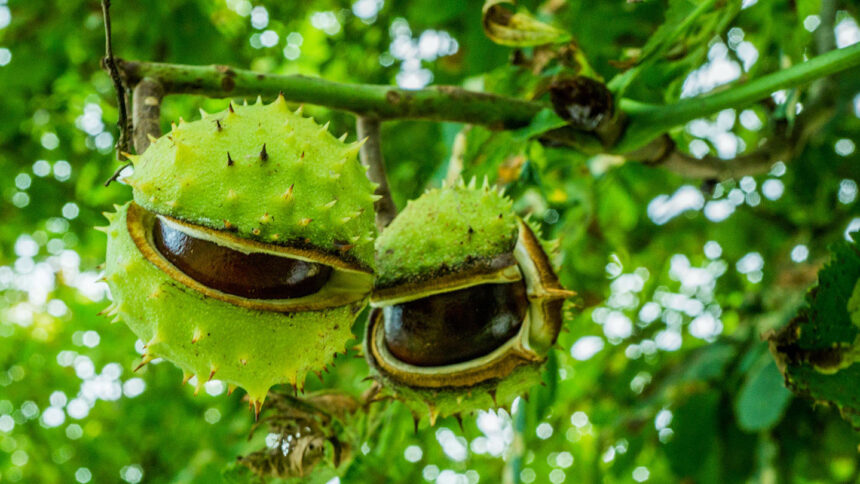
- Botanical name: Aesculus hippocastanum
- Family: Sapindaceae
- Common names: Horse Chestnut, Buckeye
- Habitat: Native to the Balkan region; widely cultivated in Europe and Asia
- Part used: Fresh, ripe seeds (nuts); occasionally bark in traditional herbal practice
Materia Medica Significance:
Aesculus hippocastanum is a key remedy for venous congestion, especially affecting the rectal, portal, and pelvic veins. It is characterized by dull, aching, heavy pains and a sensation of fullness or pressure.
2. Extraction & Homeopathic Preparation
- Mother tincture (Q): Produced by macerating fresh, ripe seeds in alcohol, then filtering.
- Potentization: Serial dilution and succussion (C or X/D scales) to prepare homeopathic potencies.
Safety Note:Raw horse chestnut seeds are toxic if consumed directly. Homeopathic preparations are highly diluted and safe when sourced from reputable, licensed pharmacies.
3. Core Remedy Picture (Keynotes)
- Essence: Venous stasis and congestion with dull, heavy, aching pains. Fullness, pressure, and dryness of mucous membranes.
- Mental- Emotional: Mild irritability due to discomfort; mental symptoms are secondary. Fatigue and heaviness may be prominent.
- Physical Tendencies:
- Rectal fullness and pain
- Dryness of rectal mucosa
- Back pain linked to hemorrhoids
- Portal congestion and liver fullness
4. Primary Homeopathic Uses
- Acute/subacute: Painful, non-bleeding (blind) hemorrhoids; rectal pain with dryness and fullness; lower back pain alongside rectal complaints
- Chronic: Persistent hemorrhoids with congestion, anal fissures with dryness, chronic portal or pelvic venous congestion
- Severe presentations (adjunctive use only): Thrombosed hemorrhoids, advanced venous insufficiency (must seek medical care)
5. Constitutional Profile – Ideal Candidates
Aesculus is best suited for individuals prone to venous congestion and stasis- often those with sedentary habits or jobs involving prolonged sitting or standing. Typical complaints involve fullness and pressure (not burning), with symptoms worse from heat or inactivity. Pressure-related symptoms may include rectal pain, backache, and pelvic heaviness.
6. Potencies & Practical Use
| Potency | Typical Use |
|---|---|
| 6C / 12C | Acute rectal pain, early hemorrhoids |
| 30C | Chronic hemorrhoids, portal congestion |
| 200C | Long-standing venous disorders |
| Q (mother tincture) | Occasionally used under professional guidance |
Dosing:
- Acute conditions: Short-term, repeated dosing
- Chronic conditions: Spaced doses; monitor response
- Discontinue dosing upon sustained improvement
7. Use in Children & Seniors
- Children: For rectal discomfort or constipation-related pain; use only in diluted potencies (never herbal forms)
- Seniors: Chronic hemorrhoids, venous insufficiency with pelvic heaviness (medical evaluation to exclude serious conditions is essential)
8. Clinical References
Classic materia medica (Clarke, Boericke) emphasize Aesculus’s use for rectal dryness, pain, and hemorrhoids with backache, as well as portal and pelvic congestion. Modern reviews highlight its role in non-bleeding hemorrhoids with fullness and pressure.
9. Key Repertory Rubrics
- Rectum: Painful, non-bleeding hemorrhoids; rectal dryness; fullness and pressure
- Back: Lumbosacral pain associated with hemorrhoids
- General: Venous congestion; dull, aching pain
10. Sample Repertorization Chart
| Rubric | Aesculus | Aloe | Collinsonia | Nux-v |
|---|---|---|---|---|
| Rectum – Hemorrhoids – painful | 3 | 2 | 3 | 2 |
| Rectum – Dryness | 3 | 1 | 1 | 1 |
| Rectum – Fullness | 3 | 2 | 2 | 1 |
| Back pain with hemorrhoids | 3 | 1 | 2 | 1 |
| Venous congestion | 3 | 2 | 2 | 1 |
Clinical Differentiation & Prescribing Insights
Aesculus hippocastanum is best prescribed when venous congestion is the dominant pathology and symptoms are characterized by fullness, pressure, and dull aching pain rather than burning or bleeding. It is especially useful when rectal complaints are accompanied by a constant sense of heaviness in the pelvis or lower back, indicating portal or pelvic venous stasis. Unlike remedies with active inflammation, Aesculus Hip patients often describe passive congestion with dryness of mucous membranes.
Clinically, the remedy is frequently indicated in individuals with sedentary habits or prolonged standing, where circulation is sluggish and symptoms worsen from inactivity. Accurate prescribing depends on recognizing the absence of sharp pain or profuse bleeding and the presence of rectal dryness, fullness, and backache occurring together.