
1) Plant Origin (Source & Identity of Absinthinum)
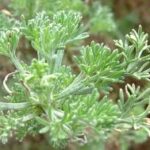
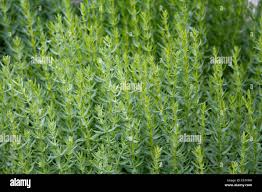
- Botanical name: Artemisia absinthium L.
- Family: Asteraceae (Compositae)
- Common names: Wormwood, Absinth(e) herb
- Native range/distribution: Indigenous to Europe and West/Central Asia; now widely cultivated and naturalized globally.
- Homeopathic source material: The fresh flowering herb, as recognized in European/French pharmacopoeia, is the established raw material for homeopathic preparations.
2) Extraction & Preparation (Homeopathic Methodology)
- Mother tincture (Ø / Q): Typically made by macerating the fresh flowering plant in alcohol (hydro-alcoholic extraction) to produce a mother tincture.
- Potentization: Successive serial dilution and succussion (vigorous shaking) of the mother tincture to create centesimal (C) or decimal (X) potencies.
- Safety considerations: Wormwood’s crude forms (including essential oil) can contain thujone, a neurotoxic constituent associated with seizures and toxicity, particularly relevant to undiluted extracts and mother tinctures. High homeopathic dilutions do not carry this risk.
3) Core Homeopathic “Sphere of Action” (Keynotes)
- Frequently indicated in epileptiform and convulsive states- symptoms may include tremors before attacks, loss of consciousness, foaming, and tongue-biting.
- Sudden, severe vertigo.
- Delirium and hallucinations, often described in the context of toxic or alcohol-induced states.
- Nervous excitement, restlessness, and sleeplessness; referenced for infantile spasms in some classical sources.
- Occasionally mentioned for mushroom poisoning symptom patterns in older homeopathic literature.
1. Key Repertory Rubrics for Absinthinum
Indicative rubrics based on standard repertorial use:
Contents
1) Plant Origin (Source & Identity of Absinthinum)2) Extraction & Preparation (Homeopathic Methodology)3) Core Homeopathic “Sphere of Action” (Keynotes)1. Key Repertory Rubrics for Absinthinum2. Comparative Remedies (Differential Diagnosis)3. Clinical Decision Tips: When to Choose Absinthinum4. Uses in Homeopathy by Condition Type5. Constitutional “Type” and Case Pattern6. Potency Selection (General Guidance, Not Prescription)7. Considerations in Children and Seniors8. “Used Cases” from Classic Texts9. Key Repertory Rubrics (Sample Set)10. Sample Repertorization Chart (Illustrative Demo)
Mind
- Delirium accompanied by hallucinations
- Confusion of mind following convulsions
- Sudden loss of consciousness
- Alternating states of nervous excitement and stupor
Head
- Sudden, violent vertigo
- Vertigo with a tendency to fall
Nervous System
- Epileptiform convulsions
- Convulsions preceded by trembling
- Convulsions with foaming at the mouth
- Internal and external tremors
- Spasms, especially in children
Sleep
- Sleeplessness due to nervous excitement
- Restless sleep with jerking movements of the limbs
2. Comparative Remedies (Differential Diagnosis)
- Cuprum metallicum: Characterized by more violent cramps and tonic spasms, marked cyanosis, clenched thumbs, and intense rigidity. Presents less vertigo, but greater muscular contraction than Absinthinum.
- Cicuta virosa: Notable for severe convulsions with distorted postures, often triggered by head injury. Shows less mental confusion and hallucination than Absinthinum.
- Belladonna: Features sudden convulsions with heat, redness, and throbbing. Violent delirium occurs, but without the trembling prodrome seen in Absinthinum. The picture is more inflammatory and less toxic-nervous.
- Hyoscyamus: Marked by talkativeness, jealousy, and obscene behavior. Convulsions occur with mental excitement, but vertigo is less prominent. There is more psychological disinhibition compared to Absinthinum.
- Stramonium: Convulsions are accompanied by intense fear, terror, and intolerance of darkness. Strong violent, panic states are present. Absinthinum lacks this extreme fear but presents with confusion and tremor.
- Agaricus muscarius: Noted for choreic movements, twitching, and jumping, with more pronounced spinal and motor incoordination. Absinthinum presents a deeper epileptiform and toxic-neurological state.
3. Clinical Decision Tips: When to Choose Absinthinum
Consider Absinthinum in cases with:
- Noticeable trembling or nervous agitation preceding convulsions
- Epileptiform seizures accompanied by vertigo and sudden loss of consciousness
- Delirium and hallucinations that occur around the time of convulsive attacks
- Confusion or amnesia following seizures (post-ictal state)
- Signs of an over-stimulated or intoxicated nervous system
- History indicating toxic exposure, withdrawal, or neuro-irritative states
- Children who exhibit nervous excitability, spasms, and persistent sleeplessness
4. Uses in Homeopathy by Condition Type
A. Common (Functional/Milder Presentations):
- Nervousness, over-excitability, restlessness
- Insomnia with a “wired” mind or nervous agitation (including in children)
- Sudden, intense, disorienting dizziness/vertigo
B. Chronic (Recurrent/Long-standing Issues):
- Recurrent seizure tendency matching the Absinthinum pattern (prodromal tremor, confusion, amnesia post-episode)
- Chronic tremor or choreic movements (per traditional sources)
- Alcohol-related nervous system disturbance (historically described as “absinthism”)
C. Extreme (High-Risk Presentations—Urgent Care First!):
- Active convulsions, status epilepticus, delirium, severe hallucinations, acute confusional states, or withdrawal syndromes: these demand immediate medical evaluation. Homeopathy should be strictly adjunctive and supervised in such situations.
5. Constitutional “Type” and Case Pattern
- More about symptom pattern than physical build: Absinthinum is suited to highly nervous, hypersensitive individuals prone to nervous system “overfiring” (e.g., tremor evolving to convulsion, excitement leading to collapse).
- Often fits toxic or withdrawal states (especially alcohol-related), with hallucinations and amnesia/confusion.
- Children with nervous excitability, insomnia, and spasm tendency; referenced in classical sources (Boericke).
- Seniors may fit when presenting with vertigo, tremors, or altered sensorium- but always rule out acute neurological issues first.
6. Potency Selection (General Guidance, Not Prescription)
- Mother tincture (Ø/Q): Occasionally used for functional/nervous complaints, but safety concerns about thujone mean this is not recommended as a DIY remedy- especially for seizure-prone patients.
- 6C / 30C: Commonly used for acute, primarily physical complaints (vertigo, nervous agitation, sleep issues) where the symptom pattern is clear but not deeply constitutional.
- 200C / 1M (and higher): Considered in cases with pronounced neurological or mental symptoms (hallucinations, delirium, severe excitability, distinctive prodromes) and strong case matching.
- General practice: Lower potencies may be repeated more frequently; higher potencies are usually given less often and monitored closely for response.
7. Considerations in Children and Seniors
- Children: Classical sources mention use for infantile spasms, nervous excitability, and insomnia. Red flags-including seizures, fainting, cyanosis, or prolonged altered consciousness- require urgent medical attention.
- Seniors: More susceptible to dehydration, drug interactions, and neurological emergencies. New confusion, hallucinations, severe vertigo, or tremor in seniors should prompt immediate medical assessment.
8. “Used Cases” from Classic Texts
- Allen (Handbook): Notes use in prolonged childhood spasms and some convulsive episodes in older persons.
- Clarke: Mentions minor epilepsy, especially where loss of consciousness is not complete.
- Boericke: Highlights the “perfect picture of epileptiform seizure” (tremors before, giddiness, delirium/hallucinations), and includes children’s nervousness and sleeplessness in the remedy scope.
9. Key Repertory Rubrics (Sample Set)
- Mind – Delirium with hallucinations
- Mind – Confusion, memory loss after attacks
- Head – Vertigo, sudden and violent
- Nervous system – Convulsions, epileptiform, with tremors before attacks
- Sleep – Sleeplessness from nervous excitement (including children)
10. Sample Repertorization Chart (Illustrative Demo)
| Rubric / Symptom Focus | Absinth. | Bell. | Hyos. | Stram. | Cupr. | Cicuta | Agar. | Nux-v |
|---|---|---|---|---|---|---|---|---|
| Convulsions, epileptiform | 3 | 2 | 2 | 2 | 3 | 3 | 1 | 1 |
| Tremor preceding attacks | 3 | 1 | 1 | 1 | 2 | 2 | 2 | 1 |
| Vertigo, sudden/severe | 3 | 2 | 1 | 1 | 1 | 1 | 2 | 2 |
| Delirium with hallucinations | 3 | 2 | 3 | 3 | 1 | 1 | 1 | 2 |
| Sleeplessness from nervous excitement | 2 | 2 | 2 | 2 | 1 | 1 | 2 | 3 |
| Amnesia/confusion after episode | 2 | 1 | 2 | 1 | 1 | 1 | 1 | 1 |
| Total (illustrative) | 16 | 10 | 11 | 10 | 9 | 9 | 9 | 10 |