
1. Plant Origin & Source
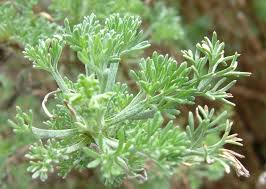
Abrotanum, known botanically as Artemisia abrotanum or “southernwood,” is a plant with a long history of use in European and parts of Asian traditional medicine, particularly in Central and South-East Europe as well as Central and West Asia. Ethnomedical records consistently identify this species as the source for the homeopathic remedy.
2. Preparation for Homeopathy
In homeopathy, Abrotanum is prepared from the aerial parts of the plant. Classical materia medica and pharmacopoeias specify extraction in alcohol (ethanol) using methods such as maceration, digestion, or infusion, with the solvent ratio depending on the plant’s moisture content and official monograph instructions. The result is a mother tincture (Ø or Q), which is then potentized through serial dilution and succussion as per homeopathic practice.
Practical description for articles: “Abrotanum is prepared as a mother tincture (Ø/Q) by extracting Artemisia abrotanum in alcohol according to official homeopathic or pharmacopoeial standards; potencies are then made by serial dilution and succussion.”
3. Essence & Sphere of Action
Classic homeopathic sources (Boericke, Clarke, Kent) emphasize Abrotanum’s affinity for:
- Wasting/Marasmus with Good Appetite: Marked emaciation, especially in the lower limbs, despite a strong appetite.
- Metastasis or Disease “Shift”: Symptoms shift location, such as rheumatic pains following suppressed discharges (e.g., diarrhea, hemorrhoids).
- Fibrous Tissues, Serous Effusions, Glands: Used in historical homeopathy for exudative processes (pleurisy, effusions) and abdominal glandular/tubercular conditions.
- Digestive Symptoms: Stomach feels as if “swimming in water,” gnawing/cold pains, poor assimilation—food passes undigested.
Key Repertory Rubrics: Abies Nigra
The following rubrics represent the essential prescribing profile of Abies Nigra, as recorded in classical homeopathic repertories (Kent, Boericke, Clarke):
Mind
- Hypochondriasis; gloomy and despondent after eating
- Mental dullness accompanying gastric symptoms
Stomach
- Distinct sensation of a lump or hard object in the stomach, as if food were stuck
- Stomach pain following meals
- Indigestion, especially in elderly individuals
- Weak digestion with concurrent heart symptoms
- Temporary relief from belching
Chest / Heart
- Palpitations after eating
- Cardiac oppression originating from gastric issues
- Pain radiating from the stomach to the heart
Generalities
- Symptoms aggravated after eating
- Weakness, predominantly in elderly persons
- Functional disorders rather than destructive pathology
Grand Keynote Rubric:Stomach – Sensation as if a hard object has been swallowed and is lodged in the stomach
Comparative Remedies (Differential Diagnosis)
Understanding what differentiates Abies Nigra from similar remedies is crucial:
- Abies Nigra vs Abies Canadensis
- Abies Nigra: Focus on heart and stomach, elderly patients, hard lump sensation
- Abies Canadensis: Gas, bloating, fullness, pronounced flatulence
- Choose Abies Nigra when heart distress follows indigestion
- Abies Nigra vs Nux Vomica
- Abies Nigra: Passive indigestion, general weakness, elderly
- Nux Vomica: Irritable, tense, driven, history of overeating/stimulants
- Select Abies Nigra when weakness predominates and there is no marked irritability
- Abies Nigra vs Carbo Vegetabilis
- Abies Nigra: Lump sensation, post-meal distress
- Carbo Veg: Severe flatulence, air hunger, collapse, bluish skin, craving for fresh air
- Opt for Carbo Veg if coldness, cyanosis, or desire for air are marked
- Abies Nigra vs Lycopodium
- Abies Nigra: Heart involvement after meals
- Lycopodium: 4- 8 pm aggravation, right-sided complaints, bloating
- Favor Abies Nigra when primary complaints are cardiac after eating
Clinical Decision Tips: When to Choose Abies Nigra
Confidently prescribe Abies Nigra if the following triad is present:
- Stomach-Heart Connection
- Palpitations, anxiety, or oppression arise immediately after meals
- Heart symptoms improve as digestion improves
- Peculiar Sensation
- Patient distinctly describes: “It feels like food is stuck.a hard lump in my stomach.”
- This sensation is highly characteristic of Abies Nigra.
- Patient Type
- Elderly or prematurely aged individuals
- Weak digestion, absent violent or acute symptoms
- Chronic, functional complaints rather than acute inflammation
Quick Prescribing Snapshot
| Feature | Abies Nigra |
|---|---|
| Core organ | Stomach → Heart |
| Key sensation | Hard lump after eating |
| Worse | After meals |
| Best suited for | Elderly, weak digestion |
| Nature of disease | Functional, chronic |
4. Clinical Uses in Homeopathy
- Common Ailments:
- Indigestion with gnawing hunger and poor assimilation; cutting/gnawing pains, often worse at night.
- Epistaxis (nosebleed), particularly in boys (older texts).
- Backache or rheumatic pains after checked diarrhea or other suppressed discharges.
- Chronic Conditions:
- Chronic wasting states (marasmus) with weak digestion and assimilation.
- Alternating or “shift” conditions (e.g., hemorrhoids worsening as rheumatism improves).
- Hydrocele in boys, frequently cited in classic sources.
- Serious Pathologies (historical context):
- Tuberculous peritonitis and abdominal glandular involvement.
- Exudative effusions (pleurisy, serous effusion).
- Note: These are traditional indications, not a substitute for medical diagnosis or emergency care.
5. Constitutional Picture
Abrotanum is classically suited to:
- Children with ravenous appetite and progressive wasting, especially of the legs, giving an “old-man” appearance.
- Gouty or rheumatic individuals showing post-suppression joint pains (metastatic tendency).
- Mental/emotional tone: cross, irritable, anxious, or depressed (per Boericke).
6. Potency Selection (General Guidance)
- Mother tincture (Ø/Q): Sometimes used for a more “material-dose” approach (choice varies by tradition and regulation).
- 6C / 30C: Common for functional complaints (digestive issues, rheumatic pains) when the case fits but isn’t deeply constitutional.
- 200C / 1M and above: Reserved for deep constitutional patterns (marasmus, strong modalities, clear remedy portrait), with longer observation after dosing.
7. Pediatric & Geriatric Focus
- Children: Especially indicated for wasting with appetite, hydrocele in boys, and in some references, bleeding/oozing from the navel in infants.
- Seniors: Weak digestion, poor assimilation, and shifting rheumatic/gouty symptoms following suppression are most commonly discussed.
8. Notable Literature Cases
Kent (and other classical authors) describe Abrotanum in situations such as:
- Wasting children with good appetite
- Hydrocele in boys
- Bleeding from the navel in infants
- Persistent symptoms after pleurisy (e.g., pressing sensation, effusions)
9. Example Repertorization Chart
RubricKey RemediesNotesEmaciation, lower extremitiesAbrot, Iod, Nat-m, TubWasting most marked in legs (Abrotanum keynote)Appetite good/voracious but emaciationAbrot, Iod, Tub“Eats well yet wastes” (classic Abrotanum)Stomach: Sensation as if swimming in water/cold stomachAbrot (strong)Highly characteristic keynoteRheumatism after checked diarrheaAbrot (compare Rhus-t, Bry)“Shift” after suppression- a keynoteHemorrhoids alternating with rheumatismAbrotClassic “see-saw” symptomHydrocele (boys)Abrot (+differentials)Strong clinical reference