
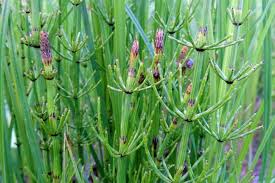
1) Plant Origin (Source & Identity)
- Botanical Name: Equisetum hyemale
- Family: Equisetaceae
- Common Name: Horsetail
- Natural Habitat: Thrives in moist soils, riverbanks, and marshy areas worldwide
- Part Used: Whole fresh plant
2) Extraction & Homeopathic Preparation
The fresh horsetail plant is macerated with alcohol to produce the mother tincture (Q). This tincture is then repeatedly diluted and succussed to create various homeopathic potencies such as 6C and 200C.
Safety Note:
Homeopathic Equisetum, in potentized form, is considered safe. Any persistent urinary symptoms should be properly evaluated by a medical professional.
3) Core Sphere of Action
- Urinary system: Relieves bladder irritation
- Kidneys: Eases urinary discomfort
- Nervous system: Calms bladder sensitivity
- Genito-urinary tract: Reduces frequent urination
Central Theme:
Frequent urination accompanied by bladder irritation and pain.
4) Characteristic Symptoms & Keynotes
- Frequent urge to urinate
- Pain in the bladder after urination
- Sensation of fullness in the bladder
- Urination accompanied by burning or discomfort
- Bedwetting (enuresis), especially in children
- Urine clear but passed frequently
- Persistent desire to pass urine
Keynote:
Frequent urination with pain and a persistent feeling of fullness in the bladder.
5) Key Repertory Rubrics
- Bladder – fullness – sensation
- Urination – frequent
- Urination – pain – after
- Enuresis – children
- Urinary tract – irritation
6) Comparative Remedies (Differentials)
| Feature | Equisetum | Cantharis | Sarsaparilla |
|---|---|---|---|
| Frequency | Marked | Marked | Moderate |
| Burning | Mild | Severe | Moderate |
| Bladder fullness | Prominent | Less | Moderate |
| Enuresis | Common | Rare | Occasional |
7) Therapeutic Uses in Homeopathy
Common (Subacute Conditions):
- Frequent urination
- Mild bladder irritation
- Bedwetting in children
Chronic Conditions:
- Chronic bladder weakness
- Recurrent urinary frequency
- Persistent bladder discomfort
Severe Conditions (Adjunctive Only):
- Chronic urinary tract disorders (requires medical supervision)
8) Constitutional Portrait (Who Benefits Most)
Equisetum hyemale is especially suited for individuals who:
- Experience a constant urge to urinate
- Feel bladder fullness even after urination
- Have mild burning or discomfort during urination
- Suffer from bedwetting (enuresis)
- Possess a sensitive urinary system
9) Potency & Practical Usage
| Potency | Pack Size | Clinical Role |
|---|---|---|
| 6C | 100 ml | Acute urinary frequency and irritation |
| 200C | 100 ml | Chronic bladder weakness and enuresis |
Dosage Guidance:
- 6C: Used for acute urinary symptoms
- 200C: Reserved for chronic cases under supervision
- Repeat as per response
- Discontinue once improvement is observed
10) Effects in Children & Seniors
Children:
- Effective for bedwetting
- Helps decrease frequent urination
Seniors:
- Aids with bladder weakness
- Supports urinary comfort
Medical supervision is recommended, especially for seniors.
11) Clinical Insights
Equisetum hyemale is a valuable homeopathic remedy for urinary complaints featuring frequent urination and bladder irritation. Patients typically report a constant feeling of bladder fullness, even post-urination.
It is particularly beneficial for bedwetting in children and chronic bladder sensitivity in adults. Clinical improvement is reflected in reduced frequency and discomfort.
Persistent urinary problems always warrant medical evaluation.
12) Sample Repertorization Chart
| Rubric | Equisetum | Cantharis | Sarsaparilla |
|---|---|---|---|
| Frequent urination | 3 | 3 | 2 |
| Bladder fullness | 3 | 1 | 2 |
| Pain after urination | 3 | 3 | 2 |
| Enuresis | 3 | 1 | 2 |
| Urinary irritation | 3 | 3 | 2 |
Conclusion
Equisetum hyemale is an important homeopathic remedy for urinary frequency and bladder irritation. Available in 6C and 200C potencies in 100 ml packs, it supports bladder health and reduces urinary discomfort. When used appropriately, Equisetum helps restore urinary balance and comfort.
Equisetum hyemale also highlights the importance of addressing functional bladder disturbances that persist even without clear infection. Patients requiring this remedy often experience constant urging to urinate with little relief afterward, leading to fatigue and disrupted daily routines. By gently supporting bladder tone and reducing irritation of the urinary lining, Equisetum helps restore more normal urinary patterns over time. Careful potency selection, regular monitoring, and supportive measures such as proper hydration and medical evaluation further enhance its effectiveness. When prescribed based on characteristic indications, Equisetum hyemale remains a dependable remedy for promoting long-term urinary health and improving overall comfort and quality of life.