
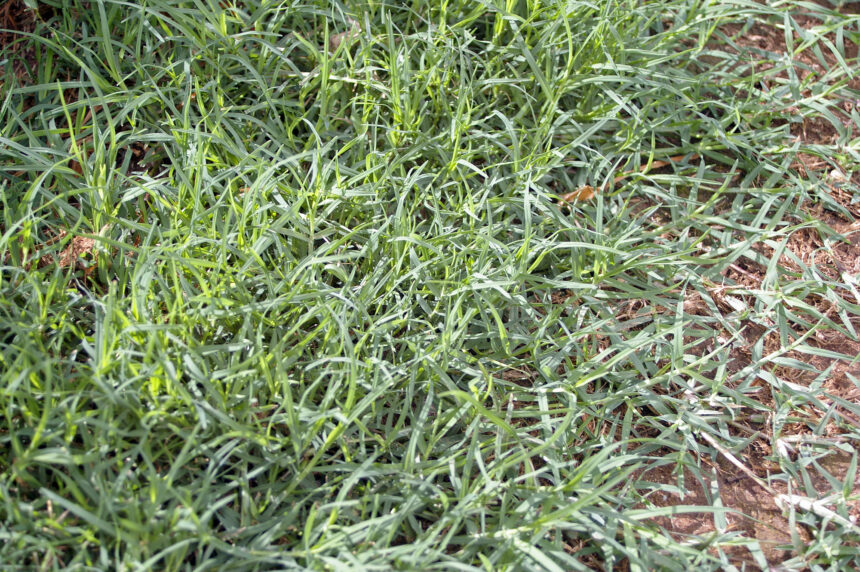
1. Plant Origin (Source & Identity)
- Botanical Name: Cynodon dactylon
- Family: Poaceae
- Common Names: Bermuda Grass, Durva Grass
- Natural Habitat: Tropical and subtropical regions worldwide
- Part Used: Whole fresh plant
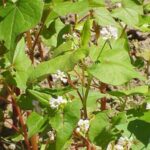
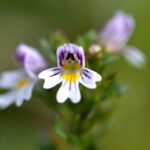
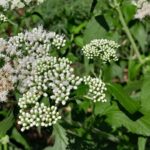
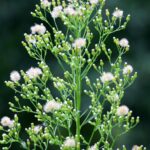
Source Details: Cynodon dactylon is a plant-derived homeopathic remedy, prepared from the entire fresh Bermuda grass plant. Authentic identification features include creeping growth, slender green leaves, and distinctive seed heads.
2. Extraction & Homeopathic Preparation
The fresh plant is harvested and macerated in alcohol to create the mother tincture (Q). The homeopathic remedy is then produced through serial dilution and succussion, following classical pharmacopeial protocols.
Safety Note:
While the crude plant has traditional medicinal uses, homeopathic potencies are highly diluted and considered safe when properly prepared.
3. Core Sphere of Action
Cynodon dactylon acts primarily on:
- Urinary system
- Digestive tract
- Circulatory system
- Hemorrhagic conditions
Central Theme:
Hemorrhagic tendency and urinary irritation accompanied by weakness.
4. Characteristic Symptoms & Keynotes
- Bleeding from various orifices (especially nose and urinary tract)
- Nosebleeds
- Hematuria (blood in urine)
- Burning urination
- Weakness following episodes of bleeding
- Digestive disturbances
- Mild inflammation
Keynote:
“Hemorrhagic tendency with urinary irritation.”
5. Key Repertory Rubrics
- Hemorrhage – recurrent
- Nose – bleeding
- Urine – blood
- Urination – burning
- Weakness – after hemorrhage
6. Comparative Remedies (Differential Diagnosis)
| Feature | Cynodon Dac. | Hamamelis | Cantharis |
|---|---|---|---|
| Bleeding | Moderate | Venous | Rare |
| Urinary burning | Mild | Minimal | Severe |
| Weakness | Present | Mild | Minimal |
| Blood in urine | Present | Rare | Common |
7. Therapeutic Uses in Homeopathy
Common (Subacute Conditions):
- Epistaxis (nosebleeds)
- Mild hematuria
- Urinary irritation
Chronic:
- Recurrent nosebleeds
- Chronic mild urinary bleeding
- Post-hemorrhagic weakness
Severe (Adjunctive Only):
- Significant hemorrhage
⚠️ Always requires immediate medical attention.
8. Constitutional Portrait (Indications)
Cynodon dactylon is particularly suitable for individuals who:
- Have a mild bleeding tendency
- Experience urinary irritation with blood
- Feel weak after bleeding episodes
- Are constitutionally delicate or frail
Often, the remedy is indicated in young people with recurrent minor bleeding.
9. Potency & Practical Usage
(As per your stock list)
| Potency | Pack Size | Clinical Role |
|---|---|---|
| 30C | 100 ml | Recurrent mild hemorrhage and urinary irritation |
Dosage Guidance:
- Use with moderate repetition
- Monitor bleeding patterns
- Discontinue once bleeding stops
10. Effects in Children & Seniors
- Children: Recurrent nosebleeds, mild urinary irritation
- Seniors: Mild hematuria, post-bleeding weakness
Medical supervision is recommended for persistent or severe symptoms.
11. Clinical Insights
Cynodon dactylon is most effective in mild to moderate bleeding associated with urinary irritation—especially recurrent nosebleeds or hematuria where no serious pathology is identified. Unlike Hamamelis (focused on venous congestion), this remedy emphasizes general weakness and urinary burning.
It may aid recovery after minor blood loss by supporting vitality and mucosal stability. Improvement is seen as decreased bleeding frequency and less urinary discomfort. However, persistent or unexplained bleeding always warrants thorough medical evaluation.
12. Sample Repertorization Chart
| Rubric | Cynodon | Hamamelis | Cantharis |
|---|---|---|---|
| Hemorrhage | 3 | 3 | 1 |
| Nosebleed | 3 | 2 | 0 |
| Blood in urine | 3 | 1 | 3 |
| Urinary burning | 2 | 0 | 3 |
| Weakness | 2 | 1 | 1 |
Conclusion
Cynodon dactylon occupies a modest yet meaningful place in the homeopathic materia medica, particularly in cases involving mild hemorrhagic tendencies linked with urinary irritation, debility, or lowered vitality. Its sphere of action is generally gentle and supportive rather than acute or deeply inflammatory, making it most appropriate in recurrent, low-grade bleeding episodes where the patient exhibits weakness, poor tone, or functional imbalance rather than active pathological destruction.
In carefully selected cases, this remedy is valued for its reputed ability to support mucosal integrity and promote circulatory steadiness. By helping to restore functional balance, it may contribute to reducing the frequency of minor bleeding episodes and improving the patient’s overall sense of stability and resilience. It is especially considered when symptoms point to passive bleeding associated with exhaustion, convalescence, or chronic urinary irritation rather than sharp, painful, or inflammatory conditions.
However, it is essential to emphasize that any unexplained or persistent hemorrhage can signal significant underlying pathology. Thorough medical evaluation, proper diagnosis, and ongoing monitoring are indispensable before relying on any supportive modality. Homeopathic prescribing should always be individualized and undertaken by a qualified practitioner who can assess the totality of symptoms and the patient’s general state of health.
When judiciously prescribed—commonly in the 30C potency and with appropriate repetition—Cynodon dactylon may offer gentle supportive relief in suitable cases. Used responsibly and within the framework of comprehensive medical care, it continues to be regarded by homeopathic practitioners as a useful adjunct remedy for mild hemorrhagic states and certain urinary disturbances.