
1) Plant Origin (Source & Identity)
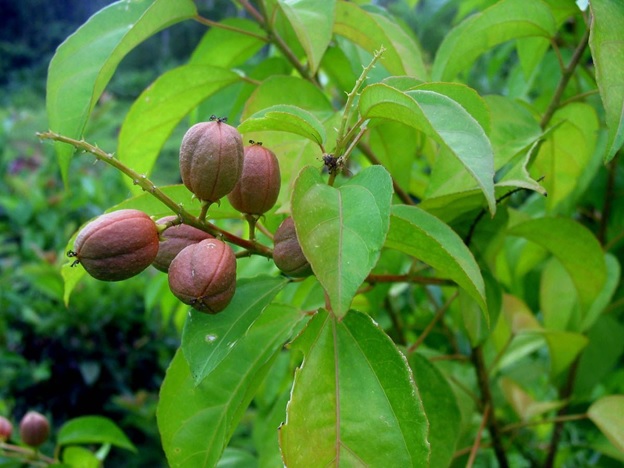
- Botanical name: Croton tiglium
- Family: Euphorbiaceae
- Common names: Purging Croton
- Natural habitat: India and Southeast Asia
- Part used: Seeds
2) Extraction & Homeopathic Preparation
The seeds are thoroughly dried and triturated, then processed into a mother tincture (Q) using alcohol. This mother tincture is subjected to serial dilution and succussion, according to homeopathic pharmacopeial standards.
Safety note:The crude seeds are strongly purgative and toxic. Homeopathic preparations are highly diluted and considered safe when properly prepared.
3) Core Sphere of Action
Croton tiglium primarily acts on:
- Gastrointestinal tract
- Skin
- Mammary glands
- Nervous system
Central Theme:
Sudden, violent diarrhea accompanied by skin eruptions.
4) Characteristic Symptoms & Keynotes
- Sudden, explosive diarrhea
- Forceful expulsion of stool
- Gushing stool after eating or drinking
- Burning sensation in the anus
- Vesicular (blistering) skin eruptions with intense itching
- Pain radiating from the nipple to the back
Keynote: Gushing diarrhea immediately after eating.
5) Key Repertory Rubrics
- Stool – gushing
- Diarrhea – after eating
- Anus – burning
- Skin – vesicles
- Breast – pain – radiating
6) Comparative Remedies (Differentials)
| Feature | Croton Tig. | Podophyllum | Arsenicum |
|---|---|---|---|
| Diarrhea onset | Immediate | Morning | After midnight |
| Stool force | Gushing | Profuse | Burning |
| Skin eruptions | Vesicular | Rare | Dry |
| Burning | Present | Mild | Intense |
7) Therapeutic Uses in Homeopathy
Common (Acute Conditions)
- Acute diarrhea
- Gastroenteritis
- Vesicular skin eruptions
Chronic Conditions
- Recurrent diarrhea
- Chronic eczema with vesicles
- Breast pain during lactation
Severe Conditions (Adjunctive Only)
- Severe dehydration
8) Constitutional Portrait (Who Benefits Most)
Croton tiglium is best suited to individuals who:
- Experience sudden gastrointestinal disturbances
- Develop vesicular skin eruptions
- Have sensitive mucous membranes
- React strongly to dietary changes
Frequently indicated for both children and adults with acute digestive disorders.
9) Potency & Practical Usage
| Potency | Pack Size | Clinical Role |
|---|---|---|
| 30C | 100 ml | Acute diarrhea and skin eruptions |
| 200C | 100 ml | Recurrent gastrointestinal episodes |
Dosage guidance:
- For acute diarrhea: short-term, more frequent dosing
- For chronic recurrence: spaced doses
- Discontinue once symptoms improve
10) Effects in Children & Seniors
Children:
- Acute watery diarrhea
- Rapid dehydration risk
Seniors:
- Sensitive digestion
- Vesicular eruptions
Medical supervision is strongly advised in severe cases.
11) Clinical Insights
Clinically, Croton tiglium is most notable for sudden, explosive diarrhea occurring immediately after eating or drinking. The stool is expelled forcefully and typically followed by burning in the rectum. This rapid onset distinguishes it from Podophyllum, which tends to act in the morning.
Croton tiglium also has a marked effect on the skin, especially vesicular (blistering) eruptions with severe itching. A distinctive symptom is pain radiating from the nipple to the back, especially during lactation. Acute cases matching the symptom profile respond rapidly. Because diarrhea can cause dehydration quickly—especially in children—timely medical assessment is essential.
12) Sample Repertorization Chart
| Rubric | Croton Tig. | Podophyllum | Arsenicum |
|---|---|---|---|
| Stool – gushing | 3 | 2 | 1 |
| Diarrhea – after eating | 3 | 1 | 1 |
| Burning anus | 3 | 1 | 3 |
| Skin – vesicles | 3 | 0 | 1 |
| Sudden onset | 3 | 2 | 2 |
Conclusion
Croton Tiglium occupies a distinct place in homeopathy for managing sudden, violent diarrhea and vesicular skin eruptions. Its hallmark symptom—immediate gushing stool after eating—makes it a highly specific and reliable remedy in acute gastrointestinal disorders. By addressing both digestive and dermatological manifestations, it provides a comprehensive therapeutic approach.
Clinically, Croton Tiglium is especially indicated when symptoms appear with striking suddenness and intensity, leaving the patient exhausted and apprehensive. The diarrhea is often described as forceful, profuse, and accompanied by abdominal rumbling or colic, with little warning before evacuation. On the skin, its action is reflected in intensely itchy, vesicular eruptions that may ooze and spread rapidly, particularly when scratched. The close relationship between gastrointestinal irritation and skin manifestations highlights the remedy’s broader sphere of influence on mucocutaneous surfaces. By considering the totality of symptoms—including modality, onset, and accompanying sensations—homeopathic prescribing with Croton Tiglium remains both individualized and precise, reinforcing its established role in acute digestive and dermatological disturbances.