
1) Plant Origin (Source & Identity)
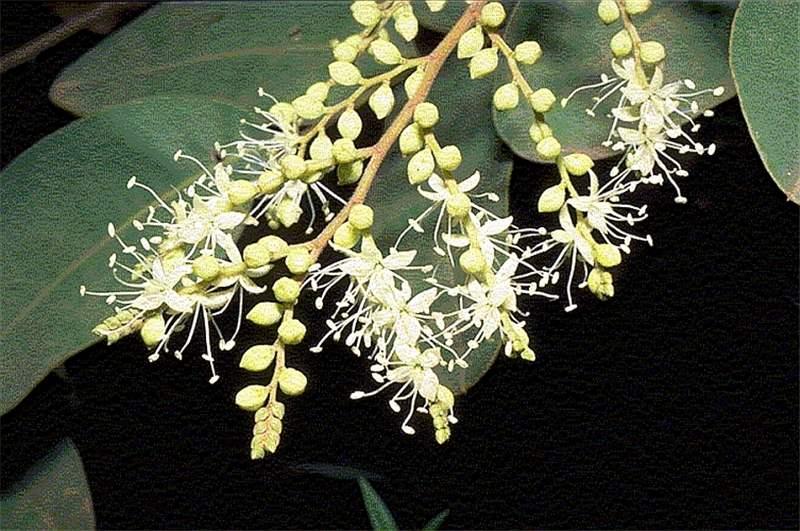
- Botanical name: Copaifera officinalis
- Family: Fabaceae
- Common names: Copaiba, Balsam Copaiva
- Natural habitat: Native to South America, especially Brazil and the Amazon region
- Part used: Oleoresin (balsam) extracted from the trunk
Copaiva is a plant-based homeopathic remedy prepared from the oleoresin (balsamic resin) obtained by tapping the trunk of the Copaifera tree. Authentic sources describe the tall rainforest tree and the process of resin extraction.
2) Extraction & Homeopathic Preparation
The oleoresin is collected by tapping the tree trunk. This balsam is then triturated or dissolved in alcohol to create the mother tincture (Q). Serial dilution and succussion yield the homeopathic potencies.
Safety Note: While the crude resin contains medicinal properties, homeopathic potencies are highly diluted and considered safe when prepared according to pharmacopeial standards.
3) Core Sphere of Action
Copaiva primarily affects:
- Urinary tract
- Mucous membranes
- Respiratory tract
- Skin
Central Theme:
Irritation and inflammation of mucous membranes, especially with burning sensations.
4) Characteristic Symptoms & Keynotes
- Burning during urination
- Urethral irritation
- Frequent urge to urinate
- Thick mucous discharge
- Cough with mucous expectoration
- Skin eruptions with itching
- Sensation of heat in affected areas
Keynote:
Burning mucous irritation of urinary tract.
5) Key Repertory Rubrics
- Urination – burning
- Urethra – irritation
- Discharge – mucous
- Cough – with mucus
- Skin – itching eruptions
6) Comparative Remedies (Differential Diagnosis)
| Feature | Copaiva | Cantharis | Pulsatilla |
|---|---|---|---|
| Burning urination | Moderate | Severe | Mild |
| Discharge | Thick mucus | Minimal | Bland |
| Irritation | Mucosal | Vesical intense | Hormonal |
| Skin itching | Present | Rare | Mild |
7) Therapeutic Uses in Homeopathy
Common (Subacute Conditions):
- Mild urinary tract irritation
- Burning urination
- Urethral discharge
Chronic Conditions:
- Chronic urethritis
- Recurrent urinary irritation
- Mucous bronchial catarrh
- Chronic skin itching
Severe Conditions (Adjunctive Only):
- Suspected urinary infection
- Requires medical testing and supervision.
8) Constitutional Portrait (Who Benefits Most)
Copaiva is particularly suited for individuals who:
- Experience recurring mucosal irritation
- Suffer burning sensations in the urinary tract
- Have thick mucous discharges
- Deal with mild, chronic inflammation
Often indicated for adults with recurrent urinary complaints.
9) Potency & Practical
| Potency | Pack Size | Clinical Role |
|---|---|---|
| 6C | 100 ml | Acute urinary irritation |
| 200C | 100 ml | Chronic mucosal inflammation |
Dosage Guidance:
- Acute irritation: short-term dosing
- Chronic conditions: infrequent repetition
- Cease dosing once symptoms improve
10) Effects in Children & Seniors
Children:
- Rarely indicated
- Occasional urinary irritation
Seniors:
- Chronic urethral burning
- Mucosal inflammation
- Monitoring is advised for recurrent urinary symptoms
11) Expanded Clinical Insights
Clinically, Copaiva is particularly effective in mild to moderate urinary irritation with burning and mucous discharge. Unlike Cantharis, which is characterized by intense, cutting vesical pain, Copaiva addresses mainly mucosal inflammation and discharge, rather than severe pain.
Indicated in subacute or chronic urethritis with persistent, non-severe symptoms. The presence of concurrent mucous catarrh in the respiratory tract further confirms its use. Improvement under Copaiva includes reduced burning, decreased discharge, and normalized urinary frequency. Since urinary symptoms may indicate infection, proper medical evaluation is essential prior to prescribing.
12) Sample Repertorization Chart
| Rubric | Copaiva | Cantharis | Pulsatilla |
|---|---|---|---|
| Urination – burning | 3 | 3 | 1 |
| Urethral discharge | 3 | 1 | 2 |
| Mucous irritation | 3 | 1 | 2 |
| Skin itching | 2 | 0 | 1 |
| Chronic inflammation | 3 | 2 | 2 |
Conclusion
Copaiva occupies a focused yet valuable position in homeopathy for treating mucosal irritation, particularly of the urinary tract. Its characteristic burning sensation with thick mucous discharge distinguishes it from more intense remedies such as Cantharis. By gently addressing inflammatory irritation and supporting mucous membrane balance, it offers meaningful symptomatic relief.
When prescribed appropriately and supported with medical evaluation, especially in recurrent urinary complaints, Copaiva can improve comfort and reduce irritation. Because urinary symptoms may signal infection or structural disease, careful assessment and follow-up are essential. Used responsibly, Copaiva remains a reliable remedy for restoring mucosal health and urinary balance.