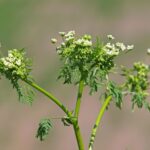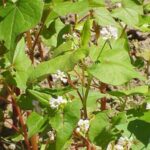

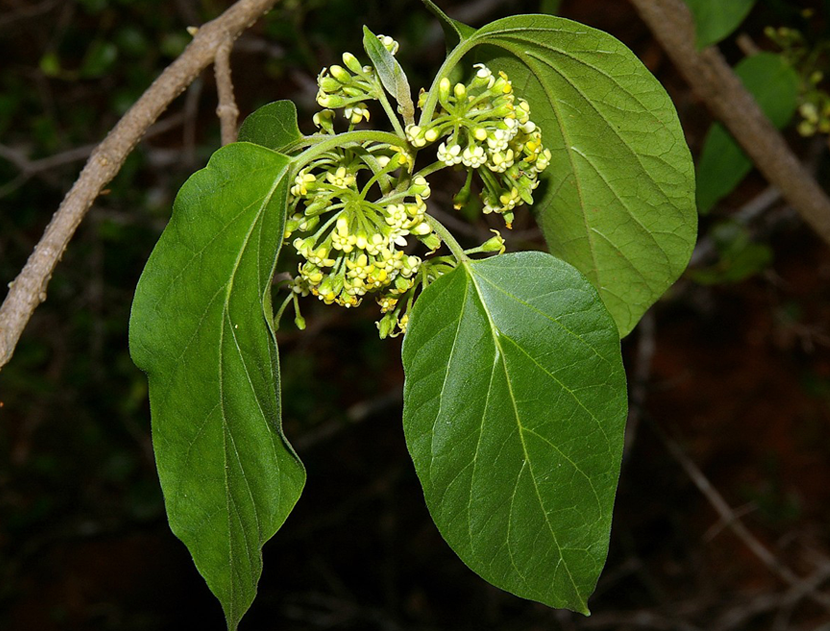
1. Plant Origin (Source & Identity)
- Botanical Name: Marsdenia cundurango
- Family: Apocynaceae
- Common Name: Condurango
- Natural Habitat: Native to Ecuador and the Andean regions of South America
- Part Used: Bark of the climbing vine
2. Extraction & Homeopathic Preparation
- The bark is dried and macerated in alcohol to create the mother tincture (Q), which is then serially diluted and succussed (potentized) following classical homeopathic pharmacopoeial guidelines.
- Safety Note:
- Crude extracts were used medicinally in the past. Homeopathic preparations are highly diluted and considered safe when manufactured correctly.
3. Core Sphere of Action
- Primary Action:
- Gastrointestinal tract (esophagus, stomach)
- Secondary action on the skin
- Central Theme:
- Deep fissures and ulcerative lesions of mucous membranes, especially at the mouth angles and upper digestive tract.
4. Characteristic Symptoms & Keynotes
- Painful cracks at the corners of the mouth
- Burning pain in the esophagus
- Difficulty swallowing
- Gastric pain similar to ulcers
- Persistent digestive weakness
- Induration/thickening of tissues
- Tendency to develop ulcers
- Keynote:
- Fissures at mouth angles with gastric ulcer symptoms.
5. Key Repertory Rubrics
- Mouth – fissures – angles
- Esophagus – pain – burning
- Stomach – ulcer – suspected
- Swallowing – difficult
- Skin – cracks
6. Comparative Remedies (Differential Diagnosis)
| Feature | Condurango | Nitric acid | Kali bichromicum |
|---|---|---|---|
| Mouth fissures | Marked | Marked | Mild |
| Gastric ulcer pain | Strong | Moderate | Moderate |
| Tissue induration | Present | Less | Minimal |
| Burning pain | Marked | Sharp | Moderate |
7. Therapeutic Uses in Homeopathy
Common/Subacute Conditions:
- Painful cracks at mouth corners
- Esophageal burning
- Gastric discomfort
Chronic Conditions:
- Chronic gastric ulcer symptomatology
- Persistent esophageal irritation
- Digestive weakness
- Indurated (hardened) tissue states
Severe Conditions (Adjunctive Only):
- Suspected gastric ulceration ( Requires thorough medical evaluation.)
8. Constitutional Portrait (Who Benefits Most)
- Individuals with chronic digestive irritation
- Those prone to recurrent fissures of mucous membranes
- Sufferers of burning upper digestive pain
- People with tissue thickening/induration tendencies
- Most often, middle-aged or elderly individuals
9. Potency & Practical Usage
| Potency | Pack Size | Clinical Role |
|---|---|---|
| 30C | 100 ml | Gastric and esophageal irritation |
Dosage Guidance:
- Moderate repetition for acute cases
- Infrequent dosing for chronic conditions
- Discontinue as symptoms improve
10. Effects in Children & Seniors
Children:
- Rarely needed; may be considered for occasional mouth fissures
Seniors:
- Useful for chronic gastric irritation, swallowing difficulties, and tissue induration
- Regular monitoring is essential for ongoing gastric symptoms
11. Expanded Clinical Insights
Condurango is especially effective for deep fissures at the mouth corners in conjunction with gastric symptoms. The presence of both mucosal cracking and upper digestive burning strongly points to its use. Traditionally, it’s associated with ulcerative tendencies in the stomach and esophagus. Distinct from Nitric acid (which causes sharp, splinter-like pains), Condurango is notable for burning sensations and tissue induration. Clinical improvement is often seen as healing of fissures, reduced burning, and easier swallowing. Always ensure medical assessment for ulcer-like symptoms before prescribing.
12. Sample Repertorization Chart
| Rubric | Condurango | Nitric acid | Kali bich |
|---|---|---|---|
| Mouth fissures | 3 | 3 | 1 |
| Esophageal burning | 3 | 2 | 2 |
| Gastric ulcer pain | 3 | 2 | 2 |
| Induration | 2 | 1 | 0 |
| Swallowing difficulty | 2 | 1 | 1 |
Conclusion
Condurango occupies an important niche in homeopathy for managing chronic digestive and mucosal disorders marked by fissures and burning pain. Its distinctive combination of mouth cracks and upper gastrointestinal irritation provides clear prescribing guidance. By supporting tissue healing and reducing mucosal inflammation, it offers meaningful symptomatic relief.
When used in the appropriate potency and integrated with medical supervision, especially in suspected ulcerative conditions, Condurango can improve comfort and digestive function. Because gastric symptoms may reflect serious pathology, thorough evaluation and follow-up are essential. Used responsibly, Condurango remains a valuable remedy for restoring digestive integrity and mucosal balance.
Clinically, Condurango is especially valuable in cases where symptoms develop gradually and are accompanied by persistent dryness, fissuring, and a sensation of internal rawness. Patients who require this remedy often report sharp, stitching, or burning pains that worsen with swallowing or after eating, alongside visible cracks at the corners of the mouth that heal slowly and recur frequently. This correspondence between external fissures and internal mucosal irritation serves as an important guiding symptom in homeopathic prescribing. By addressing both the local tissue pathology and the underlying constitutional tendencies, Condurango reflects the holistic principles of homeopathy—supporting not only symptomatic relief but also long-term restoration of digestive resilience and mucosal health.