
1. Plant Origin (Source & Identity)
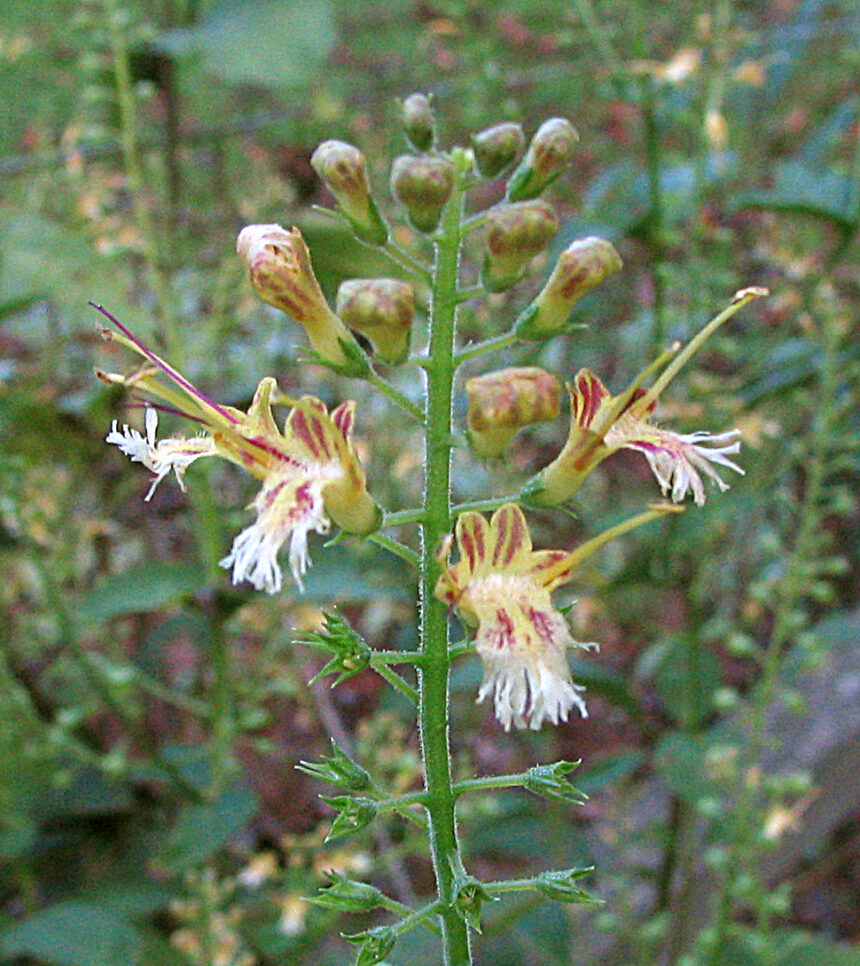
- Botanical name: Collinsonia canadensis
- Family: Lamiaceae
- Common names: Stone Root, Richweed
- Natural habitat: Eastern North America, woodland areas
- Part used: Fresh root
2. Extraction & Homeopathic Preparation
The fresh root is harvested and macerated in alcohol to prepare the mother tincture (Q). This tincture is then potentized by serial dilution and succussion, following official homeopathic pharmacopeia standards.
Safety Note:
Crude extracts may have medicinal effects, but homeopathic potencies are highly diluted and considered safe when properly prepared.
3. Core Sphere of Action
Collinsonia canadensis acts predominantly on:
- Venous circulation
- Rectum and anus
- Pelvic organs
- Portal system
Central Theme:
Venous congestion, especially with painful hemorrhoids and a sense of pelvic fullness.
4. Characteristic Symptoms & Keynotes
- Painful, non-bleeding hemorrhoids
- Sensation of sharp sticks in the rectum
- Chronic constipation
- Pelvic congestion
- Heart symptoms associated with hemorrhoids
- Worse during pregnancy
- Irritable mood due to rectal discomfort
Keynote:
Sharp rectal pain with venous congestion.
5. Key Repertory Rubrics
- Rectum – Hemorrhoids – Painful
- Rectum – Sensation – Sticks
- Constipation – Chronic
- Pelvis – Congestion
- Pregnancy – Hemorrhoids
6. Comparative Remedies (Differentials)
| Feature | Collinsonia | Aesculus | Hamamelis |
|---|---|---|---|
| Hemorrhoids | Painful, non-bleeding | Dry, back pain | Bleeding |
| Sensation | Sharp sticks | Fullness | Soreness |
| Venous congestion | Marked | Marked | Marked |
| Constipation | Common | Common | Less |
7. Therapeutic Uses in Homeopathy
Common (Subacute Conditions)
- Painful hemorrhoids
- Constipation with rectal pain
- Pelvic congestion
Chronic Conditions
- Chronic hemorrhoids
- Portal congestion
- Varicose veins
- Rectal fissures
Severe Conditions (Adjunctive Use Only)
- Severe rectal inflammation
Medical evaluation required.
8. Constitutional Portrait (Who Benefits Most)
Collinsonia canadensis is best suited for individuals who:
- Lead sedentary lifestyles
- Experience chronic venous congestion
- Suffer from painful hemorrhoids
- Feel pelvic heaviness
Often indicated for pregnant women and middle-aged adults.
9. Potency & Practical Usage
| Potency | Pack Size | Clinical Role |
|---|---|---|
| 30C | 100 ml | Acute hemorrhoidal pain |
| 200C | 100 ml | Chronic venous congestion |
Dosage Guidance:
- For acute discomfort: Repeat short-term
- For chronic cases: Dose infrequently
- Discontinue once symptoms improve
10. Effects in Children & Seniors
Children:
- Rarely indicated, but may help with occasional constipation
Seniors:
- Useful in chronic hemorrhoids, portal congestion, and varicose veins
- Regular monitoring recommended
11. Clinical Insights
Collinsonia canadensis is a reliable remedy for painful, non-bleeding hemorrhoids with marked venous congestion. The distinctive sensation of “sharp sticks” or splinters in the rectum is highly indicative. Unlike Aesculus, which is noted for dryness and backache, Collinsonia focuses on sharp rectal pain and portal congestion.
It is especially valuable during pregnancy when venous pressure is increased. At times, heart symptoms may accompany rectal congestion, reflecting a portal-cardiac connection. Positive response to Collinsonia includes diminished rectal pain, softer stools, and less pelvic heaviness. Since hemorrhoids often relate to lifestyle and diet, holistic management is important.
12. Sample Repertorization Chart
| Rubric | Collinsonia | Aesculus | Hamamelis |
|---|---|---|---|
| Hemorrhoids – painful | 3 | 2 | 2 |
| Sensation – sticks | 3 | 1 | 0 |
| Constipation | 3 | 2 | 1 |
| Venous congestion | 3 | 3 | 3 |
| Pregnancy aggravation | 2 | 2 | 1 |
Conclusion
Collinsonia canadensis remains a cornerstone remedy in homeopathy for managing venous congestion and painful hemorrhoidal conditions. Its distinguishing feature—the sharp, splinter-like rectal pain—provides clear guidance for accurate prescription. By addressing portal circulation and pelvic congestion simultaneously, it offers comprehensive symptomatic relief.
When prescribed in the appropriate potency and supported by dietary and lifestyle modifications, Collinsonia can significantly reduce rectal discomfort and improve venous tone. Because hemorrhoidal conditions often recur, consistent follow-up and preventive care are important. Used responsibly, Collinsonia C. remains a dependable remedy for restoring rectal comfort and vascular balance.
Collinsonia canadensis also illustrates the importance of addressing circulatory stagnation at its root rather than merely suppressing local symptoms. Patients who benefit from this remedy often present with associated digestive sluggishness, chronic constipation, or a sense of pelvic fullness that aggravates venous strain. By gently improving venous return and reducing congestion in the portal system, Collinsonia supports more lasting structural and functional balance. With careful observation, proper potency selection, and attention to preventive measures such as fiber intake and physical activity, it continues to serve as a focused yet effective remedy in chronic hemorrhoidal management.