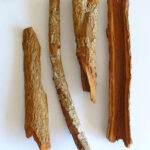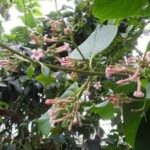

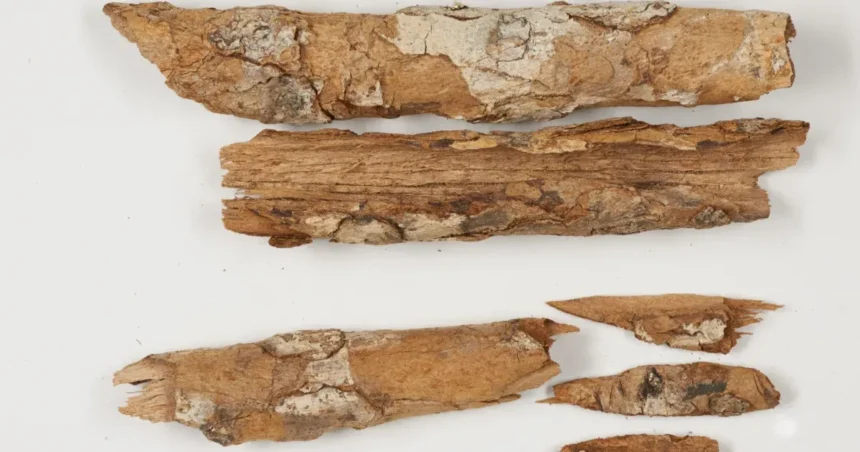
China Officinalis is a classical homeopathic remedy prepared from Cinchona bark, widely used for weakness, fluid loss, anemia, and nervous exhaustion.
1. Plant Origin (Source & Identity)
- Botanical name: Cinchona officinalis
- Family: Rubiaceae
- Common names: China, Peruvian Bark, Quinine Bark
- Natural habitat: Andean regions of South America
- Part used: Dried bark of the tree
2. Extraction & Homeopathic Preparation
The dried Cinchona bark is powdered and macerated in alcohol to produce the mother tincture (Q). This tincture is then potentized by serial dilution and succussion, following classical homeopathic pharmacopeial protocols.
Safety: Crude quinine is pharmacologically active and potentially toxic. Homeopathic potencies are highly diluted, non-toxic, and safe when properly prepared.
3. Core Sphere of Action
China Officinalis primarily acts upon:
- Blood and circulation
- Digestive system
- Nervous system
- Vital force
Central Theme:
Debility from loss of vital fluids, marked sensitivity, and periodicity.
4. Characteristic Symptoms & Keynotes
- Profound weakness after fluid loss (e.g., hemorrhage, diarrhea, sweating)
- Exhaustion out of proportion to physical findings
- Flatulent distension of the abdomen
- Sensitivity to touch and noise
- Periodic fevers or recurring symptoms
- Pallor and anemia
- Headache from debility
Keynote:
Great weakness from loss of fluids.
5. Key Repertory Rubrics
- Generalities – Weakness – after loss of fluids
- Abdomen – Distension – flatulent
- Fever – Intermittent (periodic)
- Anemia
- Sensitivity – to touch
6. Comparative Remedies (Differentials)
| Feature | China Off. | Ferrum | Arsenicum |
|---|---|---|---|
| Weakness | From fluid loss | From anemia | From anxiety |
| Flatulence | Marked | Mild | Minimal |
| Periodicity | Strong | Weak | Weak |
| Sensitivity | Marked | Moderate | Mild |
| Anxiety | Minimal | Mild | Strong |
7. Therapeutic Uses in Homeopathy
Common (Subacute Conditions)
- Weakness after diarrhea
- Post-illness exhaustion
- Flatulent dyspepsia
Chronic Conditions
- Chronic anemia
- Weakness after repeated hemorrhage
- Chronic fatigue following illness
Severe Conditions (Adjunctive Only)
- Collapse after blood loss
⚠️ Requires medical supervision.
8. Constitutional Portrait (Best Responders)
China Officinalis benefits individuals who:
- Are debilitated by loss of fluids
- Worsen with minor exertion
- Are sensitive and irritable when weak
- Experience periodic or recurring health complaints
- Frequently seen in patients recovering from protracted illness
9. Potency & Practical Usage
| Potency | Pack Size | Clinical Role |
|---|---|---|
| 6C | 100 ml | Mild weakness, digestive debility |
| 30C | 100 ml | Acute exhaustion after illness |
| 200C | 100 ml | Chronic debility, anemia |
| 1M | 60 ml | Deep constitutional weakness |
| 10M | 30 ml | Long-standing vitality depletion |
Dosage Guidance:
- Acute: Repeated short-term dosing
- Chronic: Infrequent dosing
- Discontinue once strength returns
10. Effects in Children & Seniors
Children
- Weakness after diarrhea
- Incomplete recovery of strength
Seniors
- Anemia
- Fatigue after infections
- Digestive weakness
Regular follow-up is recommended, especially for chronic or severe cases.
11. Clinical Insights
China Officinalis is a principal remedy for exhaustion following blood or fluid loss. The degree of weakness is often greater than what clinical findings suggest. Unlike Arsenicum, where anxiety is prominent, China Officinalis patients primarily exhibit profound physical depletion.
The remedy demonstrates a strong affinity for periodic conditions, such as intermittent fevers and cyclical weakness. Signs of improvement include slow return of energy, improved digestion, less flatulence, and greater exercise tolerance. Avoid over-repetition, as this remedy acts deeply and requires time to manifest its full effect.
12. Sample Repertorization Chart
| Rubric | China Off. | Ferrum | Arsenicum |
|---|---|---|---|
| Weakness – fluid loss | 3 | 2 | 1 |
| Flatulence | 3 | 1 | 1 |
| Periodicity | 3 | 1 | 1 |
| Sensitivity to touch | 3 | 2 | 1 |
| Anemia | 3 | 3 | 2 |
Conclusion
China officinalis remains a cornerstone remedy in homeopathy for restoring vitality after depletion of bodily fluids. Its action is especially valuable in patients who struggle to recover strength following illness, hemorrhage, or prolonged diarrhea. Rather than stimulating artificially, China Off. supports gradual rebuilding of energy, blood quality, and digestive efficiency.
Correct potency selection and careful observation are essential, as overuse may aggravate sensitivity. When used responsibly and integrated with nutritional support and medical supervision, China Off. can play a significant role in restoring stamina, preventing relapse, and improving overall resilience. Its enduring value lies in its ability to replenish vitality where true exhaustion exists.