
1. Plant Origin (Source & Identity)
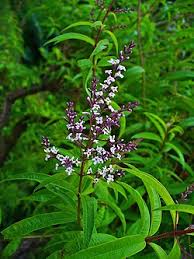
- Botanical Name: Simaba cedron
- Family: Simaroubaceae
- Common Names: Cedron, Snake-seed tree
- Natural Habitat: Central and South America
- Part Used: Seeds
2. Extraction & Homeopathic Preparation
- The dried seeds are finely powdered and macerated in alcohol to create the mother tincture (Q).
- This mother tincture is then potentized by serial dilution and succussion according to homeopathic pharmacopeial standards.
Safety Note:
Crude Cedron seeds possess toxic properties. Homeopathic dilutions are safe when prepared by licensed pharmacies.
3. Core Sphere of Action
Cedron primarily acts on:
- The nervous system
- Peripheral nerves
- Head and face
- Blood and circulation
Central Theme:
Periodic neuralgia of extreme intensity and clock-like regularity.
4. Characteristic Symptoms & Keynotes
- Neuralgic pains at fixed intervals
- Severe pain in face, temples, or eyes
- Malaria-like periodicity
- Pain typically worse at night
- Sudden onset and abrupt cessation
- Restlessness during pain attacks
- Hypersensitivity to touch during episodes
Keynote:
Violent neuralgic pains returning with clock-like regularity.
5. Key Repertory Rubrics
- Head – neuralgia – periodic
- Face – pain – intermittent
- Generalities – periodicity
- Fever – intermittent
- Pains – violent, sudden
6. Comparative Remedies (Differential Diagnosis)
| Feature | Cedron | China | Spigelia |
|---|---|---|---|
| Periodicity | Very marked | Marked | Mild |
| Neuralgia | Violent | Moderate | Severe |
| Regular timing | Exact | Variable | Variable |
| Malaria link | Strong | Strong | Weak |
7. Therapeutic Uses in Homeopathy
- Acute Conditions:
- Periodic facial neuralgia
- Headaches with fixed timing
- Eye pain with rhythmic recurrence
- Chronic Conditions:
- Trigeminal neuralgia
- Chronic intermittent headaches
- Neuralgia post-malaria
- Severe Conditions (Adjunctive Only):
- Severe neuralgic pain syndromes
- Neurological evaluation required
8. Constitutional Portrait (Who Benefits Most)
Cedron suits individuals who:
- Suffer strictly periodic complaints
- Experience violent, non-inflammatory pain
- Display nervous hypersensitivity during episodes
- Are exhausted after pain attacks
Cedron is a symptom-specific remedy, not deeply constitutional.
9. Potency & Practical Usage
| Potency | Pack Size | Clinical Role |
|---|---|---|
| 30C | 100 ml | Periodic neuralgia, headaches |
- Dosage Guidance:
- Administer shortly before expected attack
- Avoid unnecessary repetition
- Discontinue once periodicity ceases
10. Effects in Children & Seniors
- Children:
- Rare cases: periodic headaches, neuralgic pains
- Seniors:
- Trigeminal neuralgia, chronic facial pain
- Careful supervision advised
11. Clinical Insights
Cedron is especially valuable for neuralgias with strict periodicity—pain that recurs predictably, often at the same hour or alternate days. This rhythm sets Cedron apart from similar remedies. Cedron is also linked to malaria-related conditions, where intermittent fever patterns are mirrored by neuralgic pain. While China addresses weakness from fluid loss, Cedron focuses on nerve irritation and rhythmic pain. Efficacy is best tracked by reduction in frequency, intensity, or disappearance of attacks—accurate recognition of periodicity is key.
12. Sample Repertorization Chart
| Rubric | Cedron | China | Spigelia |
|---|---|---|---|
| Neuralgia – periodic | 3 | 2 | 1 |
| Fixed timing | 3 | 2 | 1 |
| Pain – violent | 3 | 2 | 3 |
| Malaria history | 3 | 3 | 0 |
| Sudden onset | 3 | 1 | 2 |
Conclusion
Cedron holds a unique and indispensable place in homeopathy for treating neuralgic conditions governed by strict periodicity. Its power lies in breaking the rhythmic recurrence of severe pain rather than merely reducing intensity. When the timing of symptoms is clear and predictable, Cedron often acts decisively.
Correct timing of administration and appropriate potency selection are essential for optimal results. Because its action is highly specific, Cedron should be reserved for cases where periodicity is unmistakable. Used judiciously and under professional supervision, Cedron can significantly improve quality of life in patients suffering from recurrent neuralgic pain.
In modern clinical practice, Cedron also serves as a reminder of the importance of careful case observation in homeopathy. Rather than focusing solely on diagnosis, the practitioner must evaluate the rhythm, onset, and repetition of symptoms to determine true remedy correspondence. When such individualization is respected, Cedron demonstrates how a well-selected homeopathic medicine can offer sustained relief without dependence on frequent dosing. Its judicious use highlights the strength of classical homeopathy in managing chronic, recurring pain conditions through precision rather than suppression.