
1) Plant Origin (Source & Identity)
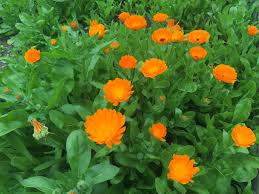
- Botanical name: Calendula officinalis
- Family: Asteraceae
- Common name: Marigold
- Natural habitat: Native to Southern Europe; now widely cultivated worldwide
- Part used: Fresh flowering tops
2) Extraction & Homeopathic Preparation
Fresh flowering tops are harvested at peak bloom and macerated in alcohol to create the mother tincture (Q). This tincture undergoes serial dilution and succussion according to official homeopathic pharmacopeial protocols to produce various potencies.
Safety Note:
Calendula is considered one of the safest homeopathic remedies. Properly prepared homeopathic solutions are non-toxic and suitable for both internal and external use when prescribed appropriately.
3) Core Sphere of Action
Calendula officinalis acts primarily on:
- Skin and connective tissue
- Wounds and injuries
- Mucous membranes
- Capillaries and blood vessels
Central Theme:
Accelerates the healing of injured tissues and helps prevent infection.
4) Characteristic Symptoms & Keynotes
- Open wounds with pain and tenderness
- Lacerations and cuts with active bleeding
- Delayed healing of surgical wounds
- Ulcers with raw, sore surfaces
- Cracked skin and fissures
- Promotes healthy granulation tissue
Keynote:
The great homeopathic antiseptic and tissue healer.
5) Key Repertory Rubrics
- Skin – wounds – open
- Skin – lacerations
- Healing – delayed
- Ulcers – painful
- Skin – cracks and fissures
6) Comparative Remedies (Differentials)
| Feature | Calendula | Arnica | Hypericum | Hepar sulph |
|---|---|---|---|---|
| Wound healing | Excellent | Moderate | Moderate | Poor |
| Infection prevention | Strong | Weak | Weak | Suppurative |
| Pain | Raw, sore | Bruised | Nerve pain | Sensitive |
| Tissue repair | Rapid | Moderate | Moderate | Delayed |
7) Therapeutic Uses in Homeopathy
Common (Acute Conditions):
- Cuts, wounds, abrasions
- Minor surgical incisions
- Skin cracks and fissures
- Burns and scalds (adjunctive)
Chronic Conditions:
- Non-healing ulcers
- Chronic skin breakdown
- Recurrent fissures
Severe Conditions (Adjunctive Only):
- Post-surgical wound care
- Traumatic tissue injury
Severe wounds always require appropriate medical attention.
8) Constitutional Portrait (Who Benefits Most)
Calendula is not primarily a constitutional remedy. It is indicated for local tissue injury, regardless of the patient’s overall constitution.
Constitutional action:
Supports local tissue repair rather than systemic transformation.
9) Potency & Practical Usage
| Potency | Pack Size | Clinical Role |
|---|---|---|
| 6C | 100 ml | Minor cuts, abrasions, superficial wounds |
| 200C | 100 ml | Deep wounds, surgical healing, chronic ulcers |
Dosage Guidance:
- Acute wounds: short, repeated dosing
- Chronic ulcers: infrequent dosing
- Discontinue once healthy healing is established
10) Effects in Children & Seniors
Children:
- Cuts, abrasions, minor injuries
- Post-vaccination skin reactions
Seniors:
- Slow-healing wounds
- Fragile skin
- Post-surgical recovery
Calendula is especially valuable in elderly patients with impaired tissue repair.
11) Clinical Insights
Calendula officinalis is clinically valued as a premier remedy for supporting natural wound healing and preventing infection. Unlike Arnica, which is most effective for bruising and trauma without skin breakage, Calendula excels for open wounds and exposed tissues. It alleviates pain, reduces suppuration, and encourages clean, healthy granulation.
In surgical contexts, Calendula is often used to promote faster recovery, minimize inflammation, and reduce scar formation. It is equally beneficial for chronic wounds, especially in elderly or debilitated patients. Improvement is typically seen as reduced discharge, diminished pain, and progressive wound closure.
Calendula’s action is gentle yet reliable, making it suitable for repeated use when indicated.
12) Sample Repertorization Chart
| Rubric | Calendula | Arnica | Hypericum |
|---|---|---|---|
| Wounds – open | 3 | 1 | 1 |
| Healing – delayed | 3 | 1 | 2 |
| Pain – raw | 3 | 1 | 2 |
| Infection tendency | 3 | 0 | 1 |
| Ulcers | 2 | 1 | 1 |
Conclusion
Calendula officinalis stands as one of the most dependable remedies in homeopathy for promoting rapid, healthy tissue repair. Its ability to support healing while preventing infection makes it invaluable in both acute injuries and chronic non-healing wounds. Unlike remedies that act constitutionally, Calendula’s strength lies in its direct local action on damaged tissues.
When prescribed correctly, Calendula reduces pain, supports clean granulation, and shortens recovery time, particularly in individuals with compromised healing capacity. Its safety profile allows use across all age groups, from children to seniors. Integrated responsibly with proper wound care and medical supervision, Calendula officinalis remains an essential remedy for restoring tissue integrity and supporting natural recovery.