
1. Source Origin (Source & Identity)
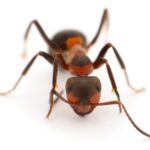
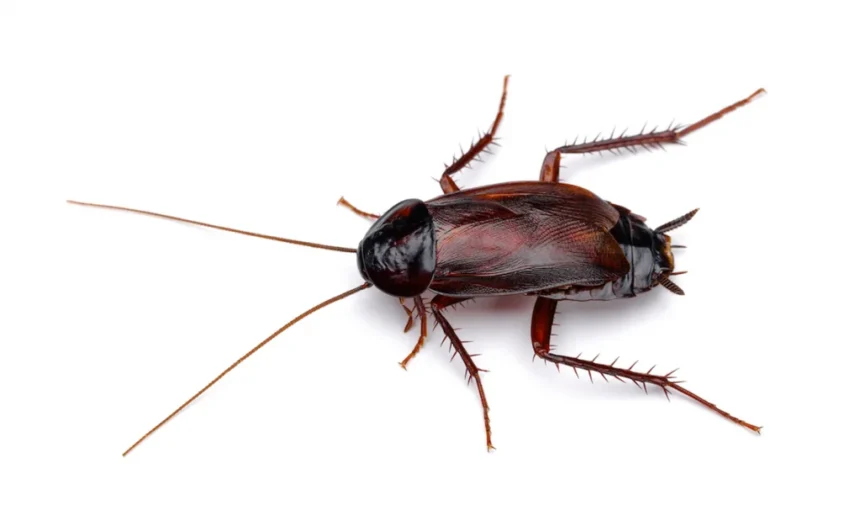
- Remedy Name: Blatta orientalis
- Common Name: Oriental Cockroach
- Kingdom: Animalia (Insecta)
- Natural Habitat: Warm, damp environments such as basements, drains, and sewers
- Part Used: Whole insect
2. Extraction & Homeopathic Preparation
- Preparation involves triturating the whole insect with lactose to make it suitable for medicinal use. This is followed by serial dilution and succussion according to classical homeopathic pharmacopeial standards, resulting in centesimal potencies.
Safety note: The crude form of the insect is never administered directly. Homeopathic preparations are highly diluted and safe when produced by licensed pharmacies.
3. Core Sphere of Action
- Primary Action: Respiratory system (bronchi, lungs, and mucous membranes)
- Central Theme: Bronchial asthma with pronounced breathing difficulty, especially aggravated by damp conditions
4. Characteristic Symptoms & Keynotes
- Severe shortness of breath (dyspnoea)
- Asthma worsened by damp weather
- Sensation of suffocation
- Wheezing with thick mucus
- Weakness following asthmatic episodes
- Keynote: Asthma aggravated by dampness, relieved by sitting upright
5. Key Repertory Rubrics
- Respiratory: Asthma (aggravated by damp weather), dyspnoea, wheezing
- Chest: Constriction, oppression
- Generalities: Worse in basements or other damp places
6. Comparative Remedies (Differential Diagnosis)
| Feature | Blatta orientalis | Ipecac | Arsenicum alb | Antimonium tart |
|---|---|---|---|---|
| Asthma | Damp-related | Nauseous | Anxious | Weak |
| Mucus | Thick | Minimal | Burning | Copious |
| Position | Better sitting | No change | Wants warmth | Prostration |
| Weather | Worse damp | Neutral | Cold | Cold |
7. Therapeutic Uses in Homeopathy
- Common Conditions: Bronchial asthma, wheezing respiration, shortness of breath
- Chronic Ailments: Chronic bronchial asthma, recurrent bronchitis, respiratory congestion
- Severe Conditions (Adjunctive only): Acute asthma attacks, respiratory failure
Immediate medical attention is essential during severe asthma attacks.
8. Constitutional Portrait
- Individuals sensitive to damp environments
- Asthmatic patients with weak lungs
- Symptoms often worsen at night or in basements
- Constitutional action: Supports bronchial relaxation and improved breathing
9. Potency & Practical Usage
| Potency | Pack Size | Clinical Role |
|---|---|---|
| 6C | 100 ml | Chronic asthma, damp aggravation |
Dosage guidance: Low potencies may be repeated cautiously during respiratory distress but should be stopped once breathing improves.
10. Effects in Children & Seniors
- Children: Asthmatic wheezing, nighttime dyspnoea
- Seniors: Chronic bronchitis, asthma with weakness
- Close medical supervision is always required.
11. Clinical Insights
Blatta orientalis is regarded as a reliable remedy for bronchial asthma made worse by dampness. Patients often report exacerbation during rainy weather, in humid environments, or when residing in basements. In contrast to Arsenicum album- where anxiety and restlessness predominate- Blatta orientalis cases are marked by mechanical breathing difficulties. Relief is usually obtained by sitting upright, which can help differentiate this remedy from others. In chronic respiratory conditions, consistent use of Blatta orientalis may reduce attack frequency and enhance respiratory endurance when monitored closely.
12. Sample Repertorization Chart
| Rubric | Blatta | Ipecac | Ars alb | Ant-t |
|---|---|---|---|---|
| Asthma damp weather | 3 | 0 | 1 | 1 |
| Wheezing | 3 | 2 | 2 | 3 |
| Dyspnoea | 3 | 2 | 3 | 2 |
| Better sitting | 3 | 0 | 2 | 1 |
| Weakness | 2 | 1 | 3 | 3 |
Conclusion
Blatta orientalis is a valuable homeopathic remedy for asthmatic conditions in which symptoms are strongly influenced by damp, humid weather and environmental exposure. It is particularly indicated when breathing becomes labored, oppressed, or suffocative, with a sensation of heaviness in the chest and difficulty in expiration. Patients often report worsening of symptoms in basements, during the rainy season, or at night, reflecting the remedy’s close relationship with moisture-related aggravation.
When prescribed according to the totality of symptoms, Blatta orientalis may help reduce the frequency and intensity of asthmatic attacks and improve overall respiratory comfort. Careful potency selection and cautious repetition are essential, especially in chronic cases, to avoid unnecessary aggravation and to allow the remedy to act deeply and sustainably. Regular follow-up enables the practitioner to assess changes in breathing patterns, response to environmental triggers, and general vitality.
As with all homeopathic remedies, Blatta orientalis is most effective when used as part of a holistic management plan that includes avoidance of known triggers, attention to living conditions, and supportive lifestyle measures. Thoughtful case analysis and ongoing monitoring contribute to improved respiratory stability and long-term quality of life.