
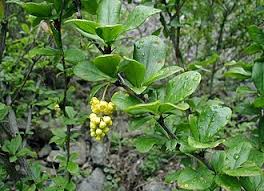
1.Plant Origin (Source & Identity)
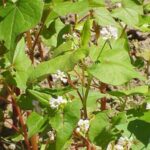
• Botanical name: Berberis vulgaris
• Family: Berberidaceae
• Common names: Barberry
• Natural habitat: Native to Europe and Western Asia; widely cultivated
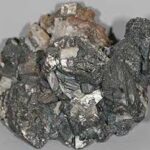
• Part used: Root bark
2.Extraction & Homeopathic Preparation
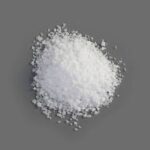
The fresh root bark is collected and macerated in alcohol to produce the mother tincture (Q). Homeopathic potencies are then prepared by serial dilution and succussion according to classical pharmacopeial guidelines.
Safety Note: Crude Barberry contains potent alkaloids. Homeopathic preparations, however, are highly diluted and considered safe when manufactured by licensed pharmacies.
3.Core Sphere of Action
Berberis vulgaris primarily acts on:
- Kidneys and urinary tract
- Liver and gallbladder
- Joints and fibrous tissues
Central Theme: Radiating pain from the kidney region, usually accompanied by urinary disturbances.
4.Characteristic Symptoms & Keynotes
- Sharp, stitching pains radiating from the kidneys
- Pain extending to the bladder, thighs, or hips
- Frequent urge to urinate
- Cloudy urine with sediment
- Rheumatic pains linked to urinary issues
Keynote: Wandering, radiating pain.
5.Key Repertory Rubrics
Urinary System
- Renal colic
- Frequent urination
- Burning urination
Back
- Pain in lumbar region
- Stitching, radiating pains
Extremities
- Wandering rheumatic pains
6.Comparative Remedies (Differentials)
| Feature | Berberis | Lycopodium | Cantharis | Solidago |
|---|---|---|---|---|
| Pain radiation | Marked | Mild | Burning | Mild |
| Kidney pain | Sharp | Dull | Intense | Aching |
| Urinary sediment | Yes | Yes | Rare | Yes |
| Rheumatic link | Yes | Moderate | No | Yes |
7.Therapeutic Uses in Homeopathy
Common Conditions:
- Renal colic
- Frequent urination
- Lower back pain
Chronic Ailments:
- Kidney stones
- Chronic urinary irritation
- Gout with urinary symptoms
Severe Conditions (Adjunctive only):
- Recurrent renal calculi
- Chronic kidney disease
Kidney disease requires medical supervision.
8.Constitutional Portrait
- Tendency toward gout or lithiasis
- Combined urinary and joint complaints
- Wandering pains
Constitutional action: Supports renal elimination and alleviates pain.
9.Potency & Practical Usage
| Potency | Pack Size | Clinical Role |
|---|---|---|
| 200C | 100 ml | Chronic renal and rheumatic states |
Dosage Guidance: Use high potencies cautiously and observe for long intervals between doses.
10.Effects in Children & Seniors
Children: Rare cases of urinary colic
Seniors: Kidney stones, chronic back pain
Medical supervision is essential for both groups.
11.Clinical Insights
Berberis vulgaris is especially indicated when kidney pain radiates in multiple directions, a distinguishing feature among remedies. Patients often report sharp, stitching pain extending from the kidney area to the bladder, groin, or thighs, often with urinary sediment or cloudy urine.
A notable clinical sign is the association of urinary issues with joint or back pain, pointing to impaired metabolic elimination. Chronic cases may present with recurring kidney stones or gouty arthritis, where Berberis aids renal clearance and pain reduction.
Signs of improvement include reduced radiating pain, clearer urine, and fewer episodes of renal colic.
12.Sample Repertorization Chart
| Rubric | Berberis | Lycopodium | Solidago | Cantharis |
|---|---|---|---|---|
| Kidney pain radiating | 3 | 1 | 1 | 0 |
| Renal colic | 3 | 2 | 2 | 3 |
| Cloudy urine | 3 | 2 | 2 | 1 |
| Wandering pain | 3 | 1 | 1 | 0 |
| Gouty tendency | 2 | 3 | 2 | 1 |
Conclusion
Berberis vulgaris is a key homeopathic remedy for urinary and renal disorders characterized by radiating, stitching, or shooting pains, particularly when discomfort extends from the kidney region to the bladder, thighs, or lower back. Its therapeutic value lies in its marked action on the urinary system, where impaired metabolism and faulty elimination lead to stone formation, sedimentation, or chronic irritation of the urinary tract. The presence of burning sensations, frequent urging, and pain that worsens with motion further strengthens its indication.
When selected accurately based on the totality of symptoms, Berberis vulgaris may significantly reduce renal discomfort, ease urinary flow, and support the body’s natural elimination processes. Careful potency selection and appropriate repetition are essential to avoid overmedication and to allow the remedy’s action to unfold gradually. Regular follow-up enables the practitioner to assess changes in pain patterns, urinary output, and overall vitality.
As with all homeopathic remedies, Berberis vulgaris is most effective when used within a holistic treatment plan that considers dietary habits, hydration, lifestyle factors, and individual susceptibility. Thoughtful prescribing and continuous monitoring can contribute to sustained improvement, better urinary function, and long-term patient comfort.